Parkour Labs: Conquer Neon Skies and Defy Gravity in a Brutal Vaporwave Gauntlet
Diego Ortiz, Developer, SoyKhaler
Summary
First-person precision platformer in a neon-soaked Vaporwave world of lethal geometry.
60 brutal levels built around flow, timing, and absolute control.
Pure skill challenge – every fall is your fault and every victory earned.
Reclaiming Pure Movement: How Parkour Labs was created (Solo)
Parkour Labs arrives after two intense years of solo development and an additional year dedicated to polishing its adaptation to consoles. It’s the purest vision of movement brought directly to the Xbox ecosystem.
The journey behind Parkour Labs hasn’t been conventional. Its creator comes from the audiovisual world, where he worked for years editing videos for clients. Over time, the need arose to leave behind imposed aesthetics and reinvent himself by learning programming on his own to create something truly his own.
Parkour Labs is the result of that personal effort: a project in which every mechanic, model, and line of code has been built from scratch.
It was born in response to a growing trend in big-budget video games: visually spectacular experiences with automated gameplay, where much of the action occurs without the player having real and precise control.
The goal was to recapture raw, organic gameplay. This title is designed for lovers of extreme movement who, lacking modern alternatives, turn to mods and communities in other games, such as the surf maps in Counter-Strike: Global Offensive, the competitive scene in Warfork.
The game offers a home for this community seeking 100% free movement based on realistic physics, bringing that essence intact to Xbox.
Designed to Die and Learn Instantly
Control is the core of the game. Character movement was fine-tuned until the final months of development to achieve such a level of precision that, after just a few matches, it’s possible to play almost without looking at the controller, feeling a direct connection with the character. The challenge is demanding and deliberate: you’ll fall many times before mastering each level. However, frustration is completely eliminated thanks to the absence of loading screens. If you fall, a flash appears, and in less than 0.2 seconds, you’re back in action. The rhythm never breaks.
Tips for Mastering All 60 Levels
To get ahead of today’s release, here are the fundamental rules:
1. Momentum Defines your Jumps
The double jump isn’t a fixed animation: it’s the sum of forces. The distance depends on the speed and momentum at the moment of execution.
2. The Player Levels Up
There are no stats, experience points, or grinding. It’s a purely mechanical game. Improvement is structural and depends on mastering the controls.
3. Extreme Optimization
The game has been polished to push the hardware to its limits and maintain absolute technical fluidity. A stable frame rate on Xbox is key to perfecting reaction times
Laboratory Rules
Learn to read the environment or you will fall:
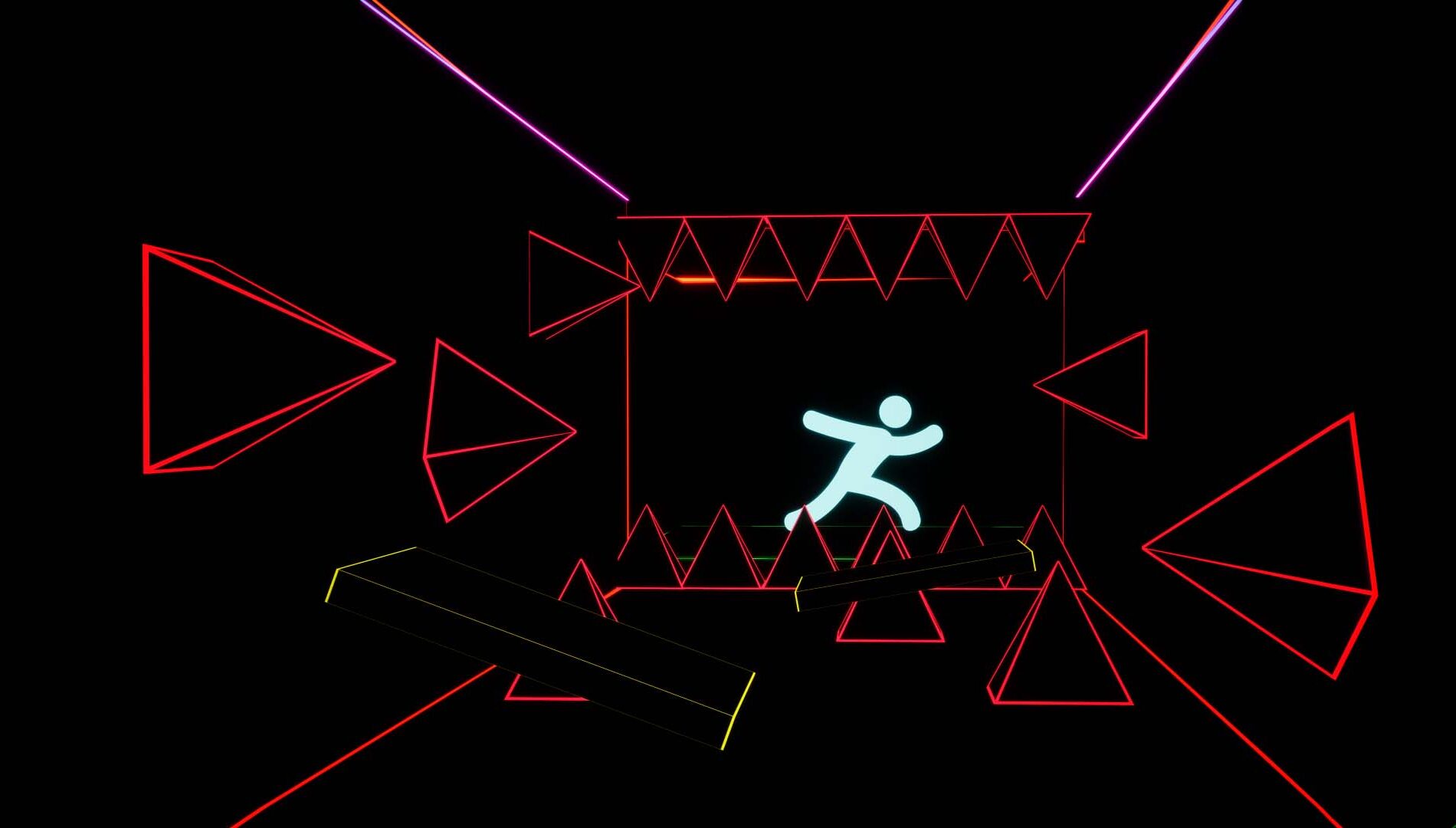
Yellow platforms: they blink and collapse. Don’t stop. Jump fast.
Red platforms: contact means instant death.
Violet platforms: stable platforming surfaces. Your only safe ground.
Blue platforms: they launch you upward with a bounce. Use them to reach the impossible.
Today’s launch marks the beginning of a new era for the console movement community. Parkour Labs is now available and ready to test your reflexes, precision, and consistency.
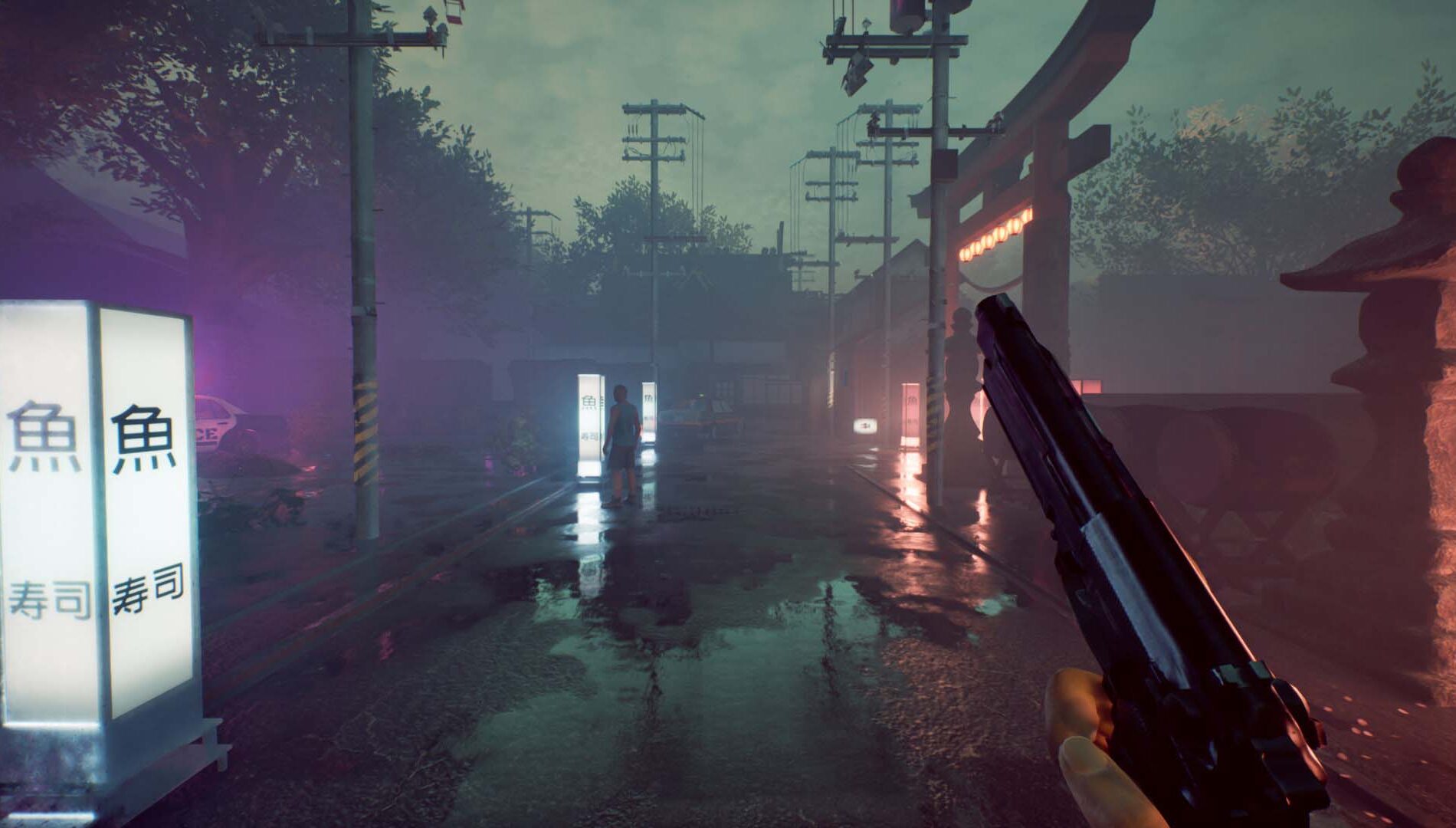
Welcome to Parkour Labs, a vaporwave-inspired parkour game.
Surf the waves of nostalgia and retro aesthetics, sliding down ramps and performing smooth turns.
Explore colorful and surreal landscapes inspired by the culture, music, and art of the 80s and 90s.
Collect glitch effects and artifacts to unlock new levels and secrets.
Experience the synthwave atmosphere in this unique and original game that challenges your mouse control and movement skills.
Apolune 2: Boost your Retro Space Mining Experience Solo or with Friends
Herb Gilliland, Founder, Lead Game Designer, Lost Astronaut Studios
Summary
Casual survival game of experimentation and discovery.
Supports up to eight controllers for group play on a single Xbox.
Pro tips to get the most out of your solo or co-op gameplay.
What Kind of Game is Apolune 2?
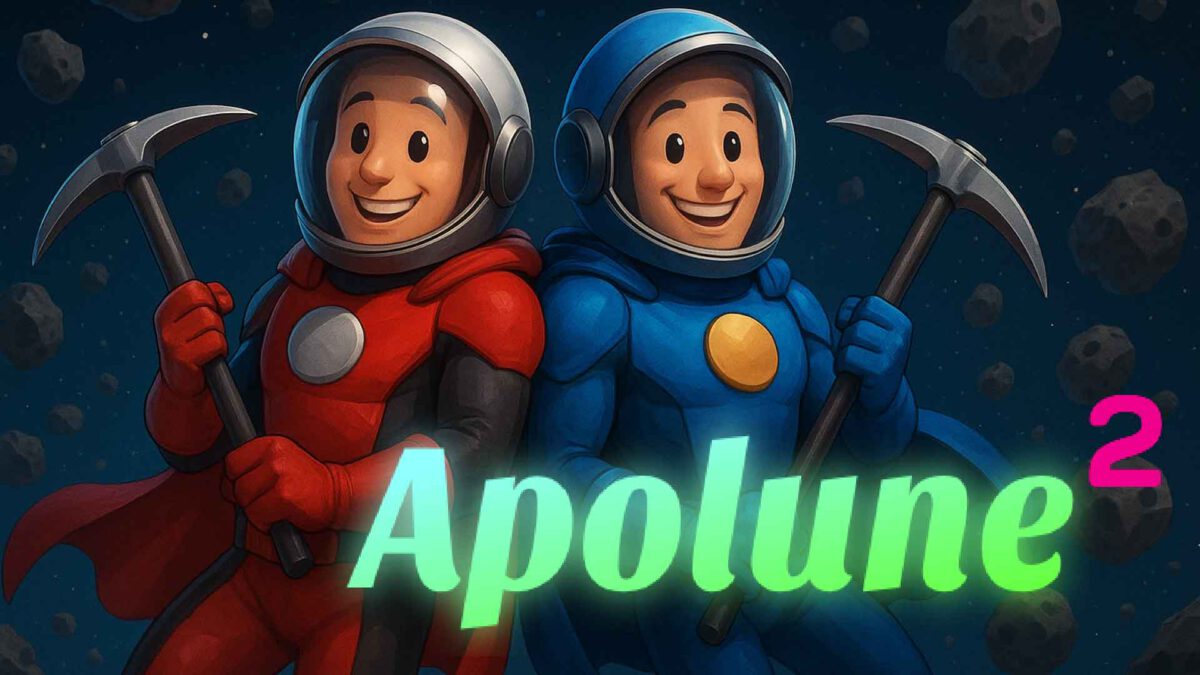
Apolune 2is a love-letter to those classic console experiences. Travel back to the early 1980s, when video games were in their infancy, and 8-bit gaming ruled the day.
Apolune 2 is a joke – and that’s intentional. It’s a funny little game that doesn’t cost much, but can give you and your friends hours of enjoyment. It has the R-word: replayability.
Apolune 2 is a discovery game. The controls are fairly simple, it’s what you do with them that’s challenging. You don’t need to read a manual or be told exactly where to go and what to do. You don’t have to be beaten over the head with arrows telling you what to do next. It’s up to you. You just pick up a controller and start trying out buttons. You may not do the thing you intended, and that’s okay. You find a new item and learn the hard way: trial and error! So try, try again.
One thing to keep in mind is that Apolune 2 doesn’t require you to break your hand to play it. It’s impulse driven. You press a button. You hold a button. You don’t need to mash it or strain yourself. Pace yourself. Go for the long haul.
The target audience for Apolune 2 is anyone who wants to casually experience something with someone else. If you are someone who wants to just explore and experiment, with friends or on your own, Apolune 2 is for you.
Oh yeah, and you mine asteroids for a living. That’s the job you play in this game.
Is Apolune 2 Hard?
The game doesn’t offer “saving”. Once you start the game, you’re in it, start to finish.
To quote a famous galactic traveler: don’t panic.
If you get knocked down, just get up again. Start over. Play it differently. Push harder. There are secrets, even if they don’t seem obvious at first. There are variations, it’s not always going to be exactly the same. Apolune 2 has replayability. If you get discouraged, try, try again. It’s not really meant to be won, just to be experienced.
“A ship in harbor is safe, but that is not what ships are built for,” famously attributed to John A. Shedd, is a metaphor urging people to leave their comfort zones, embrace risks, and fulfill their true purpose. It signifies that life’s value lies in taking risks, seeking adventures, and enduring challenges rather than merely staying safe and secure.
Multiplayer Party Game
With Apolune 2, if you’re all alone on the couch, maybe pick up the second controller and play two. Or three. If you’ve got some friends over, see if they’ll give it a go. Ask them to bring their controllers – did you know you can hook up eight to an Xbox?
This game is even more fun with a bigger group of friends. In a dorm room, or frat house, in your neighbor’s basement, at a party, on a weekend, in the attic, Apolune 2 is something, for an hour or two, that can bring people together. Try it again, see what zany things happen.
Apolune 2 is a game for people who want to push the limits, break records and explore the unknown. On LostAstronaut.com, you can find our Discord, and visit the #apolune2 channel where we love to see pics of people’s high scores. No one has yet completed the game by buying all six contracts. So, I hope it will be you who stops by one day and posts a picture of your interstellar casino, mall and deli, etc.
A friend of mine recently sent me this:
Six Years on, and it’s Still Evolving
In 2020, if you had asked me if I would be still working on Apolune 2 in six years, I would have scoffed. What a journey it’s been. It all started when someone suggested I make a new game. So, I spent an afternoon getting the basics together. One astronaut, one station. Two months later, I had most of what you see today. Up to eight players, all tethered to the same station, lugging it around the screen, busting asteroids and cracking eggs.
For years, I worked on the game when I had time. I would add something new to it, then it was time to balance the game. Then rebalance. Iterate. Test. Add new items. Make it easier? Make it harder. Made it better? Balance it again. Fix bugs. The hard work of doing quality assurance, marketing, really everything, as just one guy.
Eventually, I got some fans, so I put their ideas into the game. It took a village, even if I’m just one lone developer punching away at the keys. Now, you get to enjoy it.
I hope you’ll play it with someone you love, your friends and comrades, who will mine the asteroids with you, and enjoy the rewards and bonuses that come with cooperation and real-time collaboration.
By the way, the name of this game series, “Apolune”, is actually a term from astronomy that means “the point at which a spacecraft in lunar orbit is furthest from the moon” …and is part of a group of words that begin with apo- including its synonyms, aposelene, apoapsis, apocynthion. The words appeared in Jules Verne’s“All Around the Moon”.
To give you one important tip, it’s to do the obvious: mine the asteroids. Get the bonus every time if you can. That’s the most important thing. Another tip is not to press any buttons during the title screen – I know, players are impatient, they want to play the game, after all, it’s why they buy Xboxes and stuff – but if you hold off for a little while, it will tell you a bunch of other hints that might help you save the day and extend your career as an asteroid miner in Apolune 2.
I’m happy to bring Apolune 2to Xbox, so fans and newcomers alike can get together for some challenging fun today.
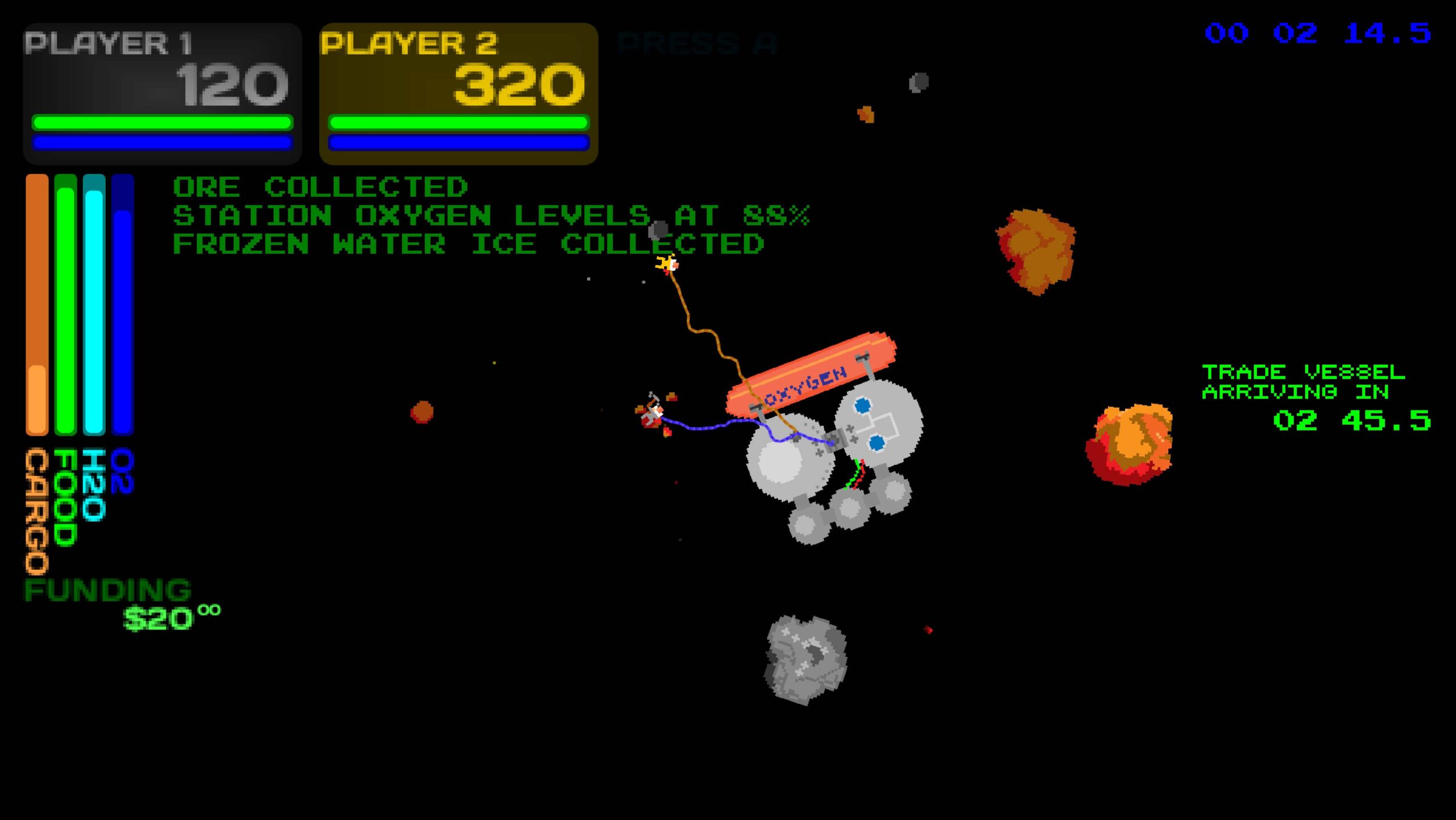
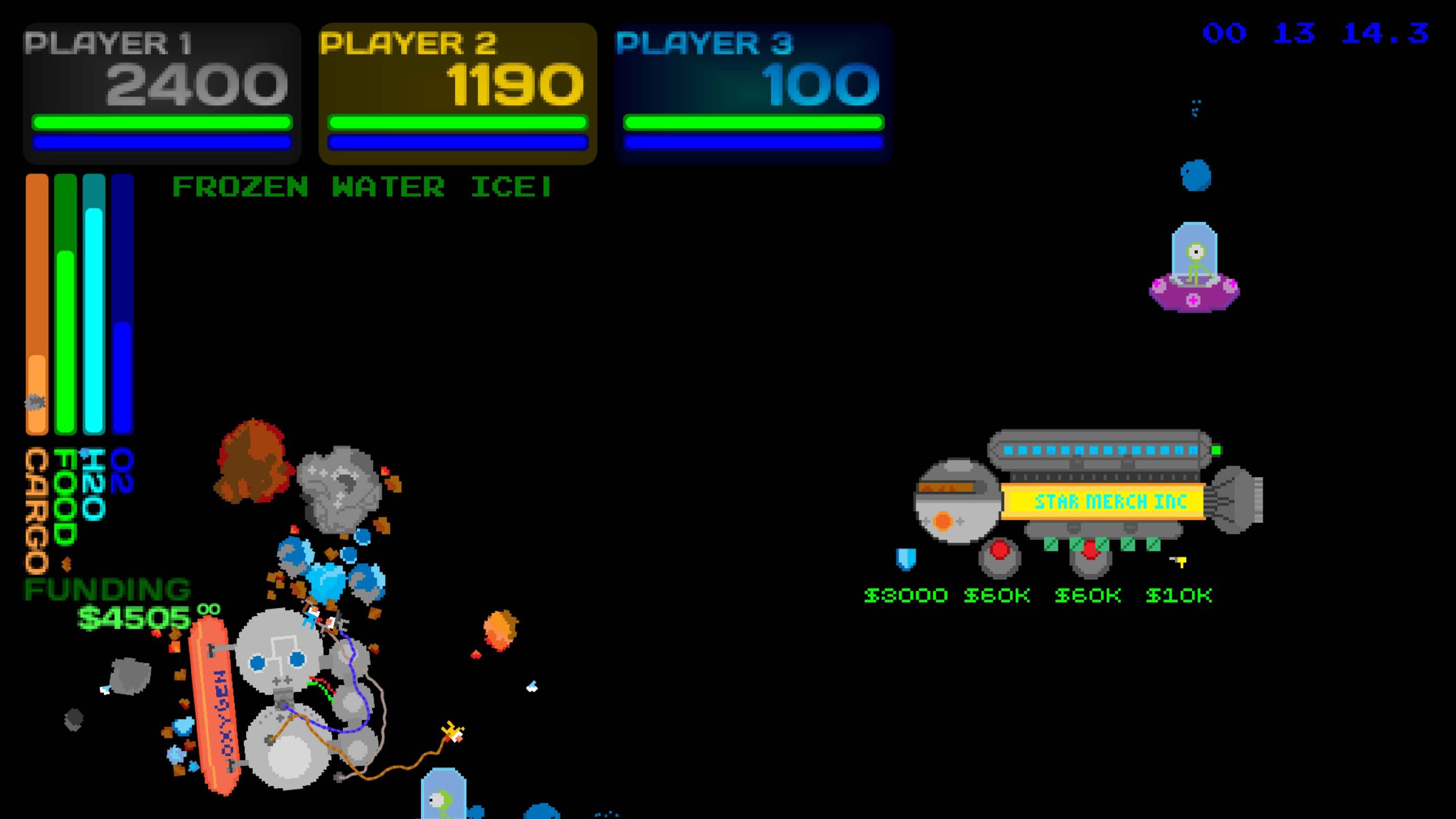
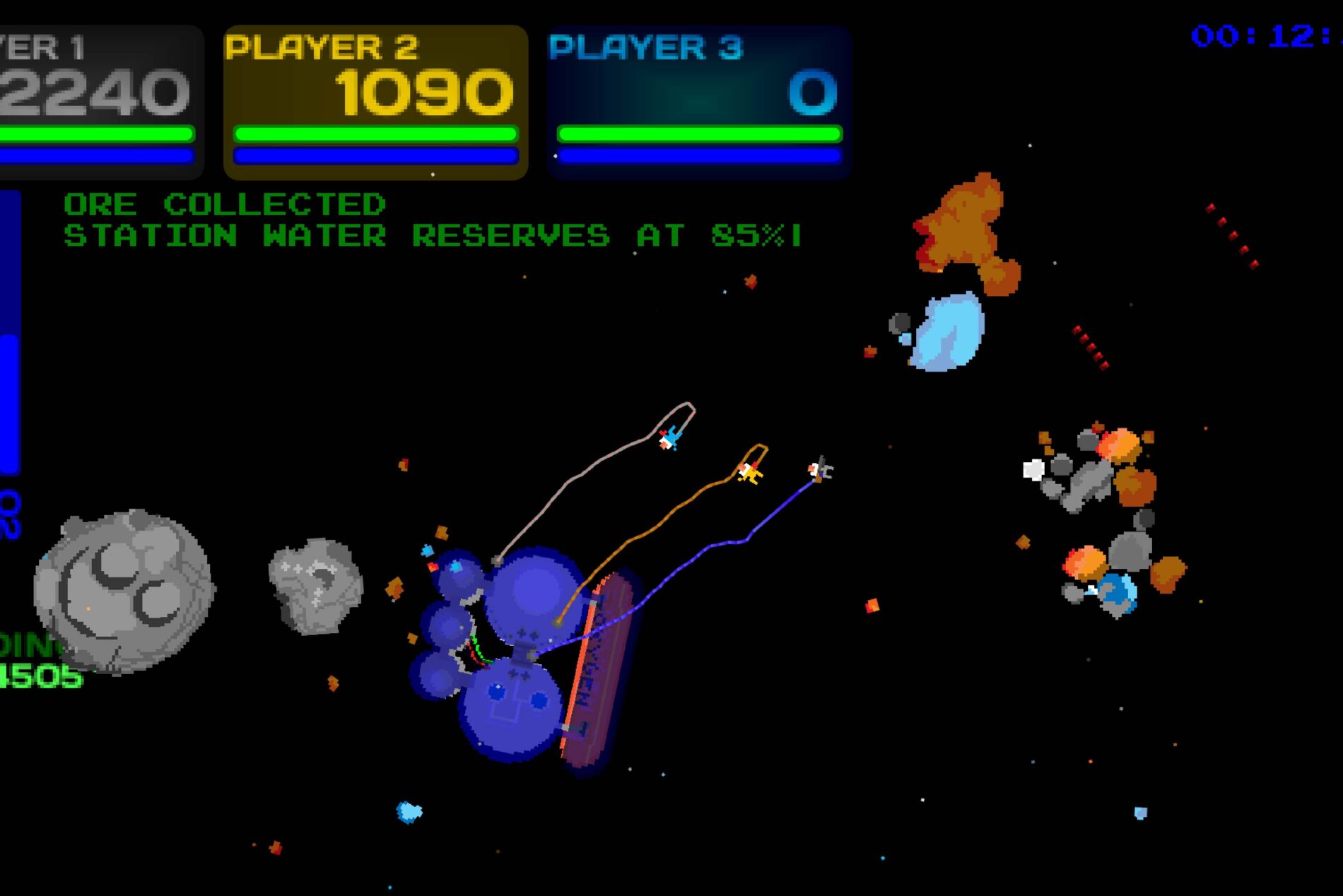
Mine. Shoot. Collect! Repair. 2D retro arcade-style, comedic and fun roguelike single player or party game! Couch co-op adventure in space as an asteroid miner! Apolune 2 is a hilarious and shocking resource management game where one player (or more) experience life on an asteroid mining team in deep space. Immerse yourself into the life of an OreCorp asteroid miner. It’s a galaxy full of opportunities including: weapons, aliens, asteroids, space pirates, merchants and … ICE CREAM! Apolune 2 is a stand-alone adventure single player and local co-op game set in the asteroid belt. You and your team of astronauts are asteroid miners on a mission to make spacebucks, survive and thrive in deep space. Fill the local high scores to challenge your friends and family to a fantastic experience. Collect resources, buy upgrades and fight aliens and space pirates! Apolune 2 is a controller-friendly game that is super easy to pick up and play.
“Fun for five!”
-Bacon Ice Cream Productions
“A lengthy co-op game with up to 8 local friends … it’s far more engaging than you might expect. The game can be addicting.”
-Mockduck Plays Games
“I’m mining away, and ah ha ha ha …. oh no! Aliens! Fortunately I have a gun…”
-Coffee and a Game
Welcome to Next Week on Xbox! In this weekly feature we cover all the games coming soon to Xbox Series X|S, Xbox One, Xbox on PC, and Game Pass! Get more details on these upcoming games below and click their profiles for further info (release dates subject to change). Let’s jump in!
Make your mark. Become a Legend. Own The Show. Step up and take control of how you leave your mark in the most immersive MLB The Show yet. Discover new Road To The Show mechanics, deeper Franchise experiences, enhanced customization options, and true-to-life on-field action. Pre-order to receive a Gold Choice Pack and Early Access starting on March 13.
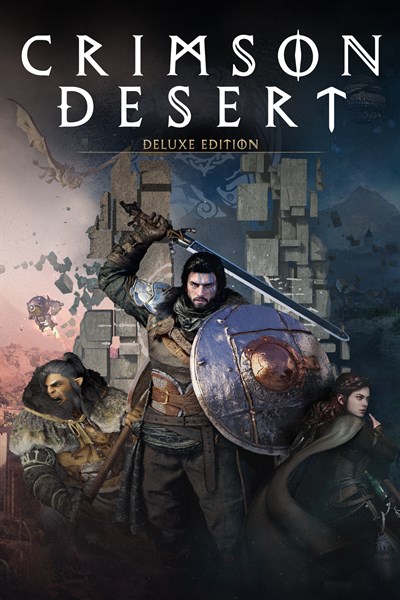
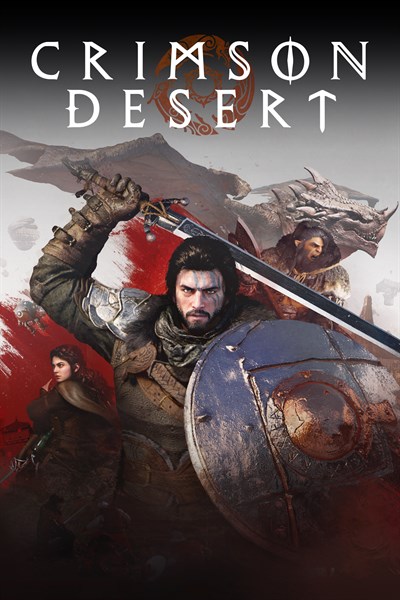
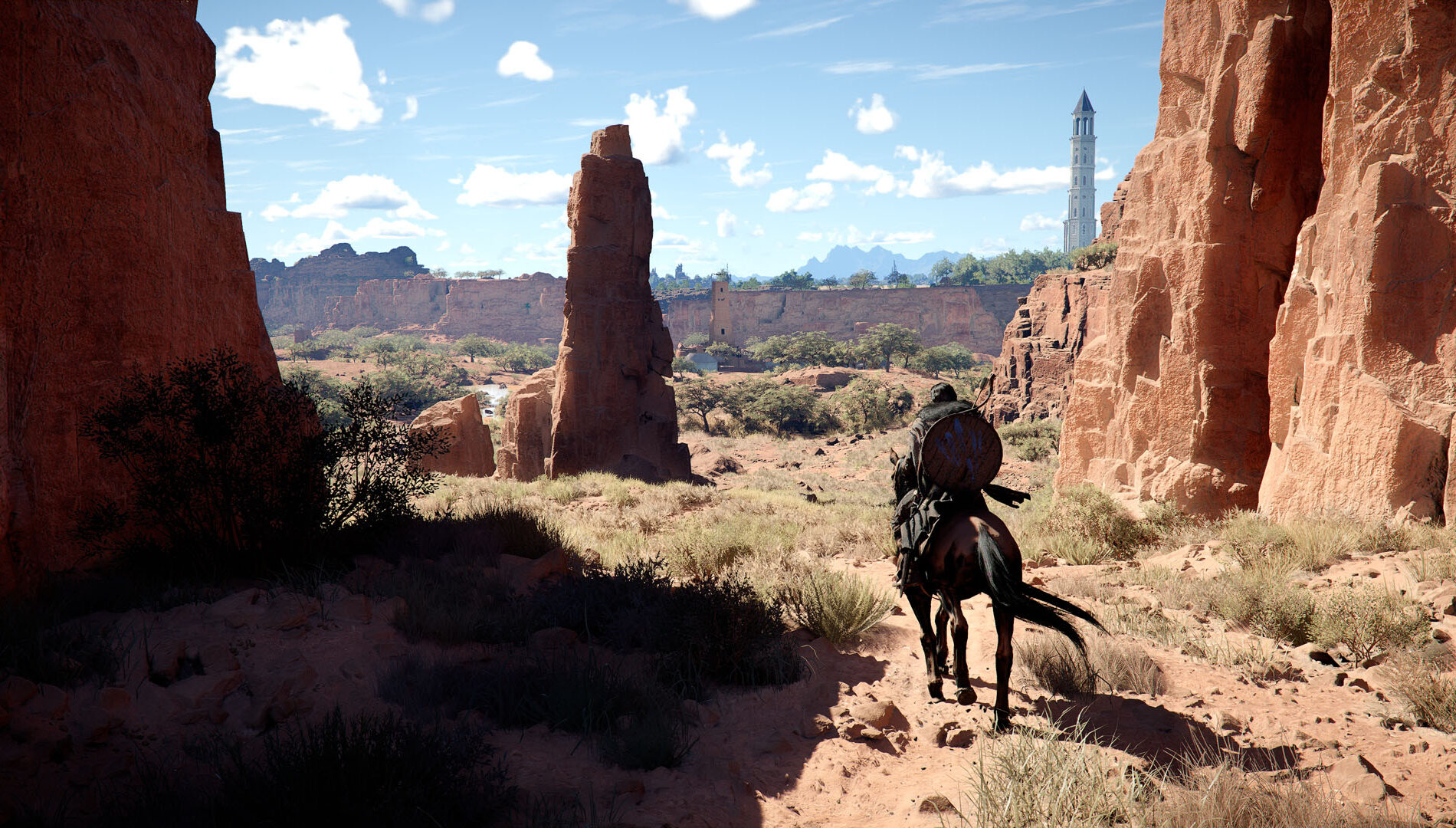
Crimson Desert is an open-world action-adventure game set in the beautiful yet brutal continent of Pywel. Take on the role of the Greymane Kliff and embark on a journey across the continent to reclaim everything you’ve lost. Explore uncharted lands, encounter mysterious factions, and experience firsthand a world that is as breathtaking as it is merciless.
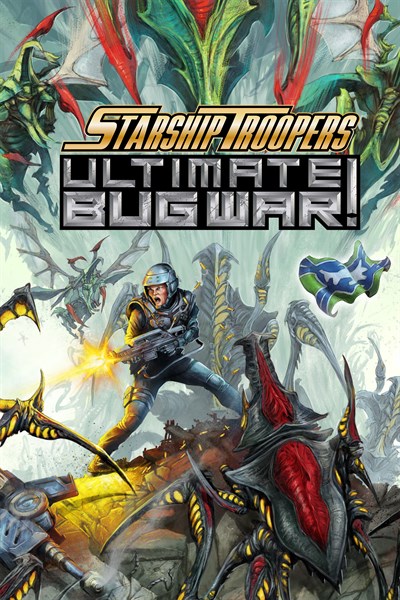
The United Citizen Federation is calling on you to join the fight for humanity. Join General Johnny Rico and Major Samantha “Sammy” Dietz, as they showcase the latest official game from FedDev, state-sponsored software developer of the United Citizen Federation. This is Starship Troopers: Ultimate Bug War!
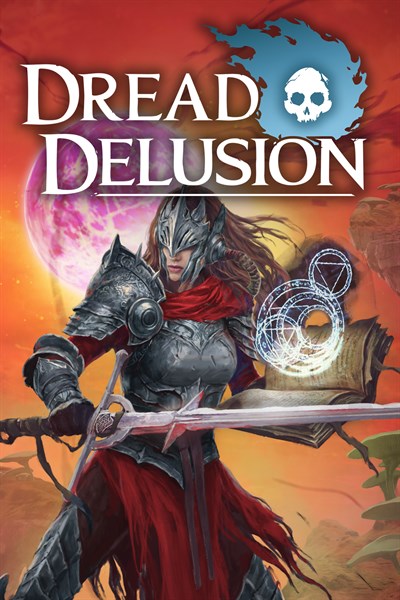
Explore floating islands under a strange sky in a hand-crafted open world. The world is broken. Its surface seethes with an undead curse, while humanity clings to flying continents in the sky. From mushroom forests to undead mausoleums, strange places and people await you. But will you find a way to heal this world – or seek power and profit for yourself? A keen mind or charming wit can prove just as useful as a sword; and your decisions will shape how the story unfolds.
Join Thomas and his friends on a special journey across Sodor! Hop into the cabs of North Western Railway’s classic steam team to enjoy nostalgic stories and all-new narratives right from the drivers’ seats. Explore the Wonders of Sodor – fun and magic await! Join Thomas, Diesel, Gordon, Percy, and Emily for railway adventures in their home, the Island of Sodor. Explore iconic landmarks across Sodor, such as the Tidmouth Sheds, Knapford station, and the famous Windmills. Play a total of 8 stories all narrated by the legendary Mark Moraghan.
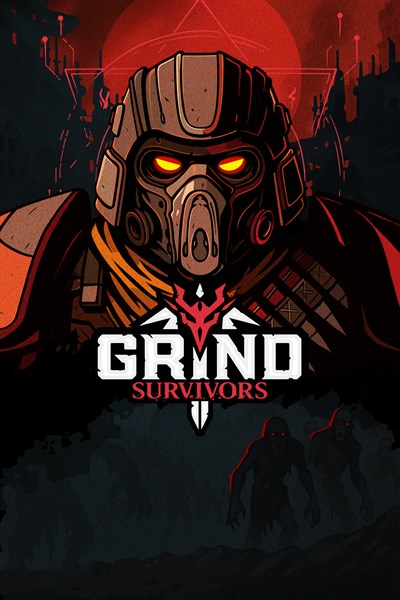
Grind Survivors throws you into a relentless action rogue- and survivors-like where you battle endless waves of hellspawn as a towering demon hunter. Set in a post-apocalyptic Earth overrun by demonic corruption, every run is a fight for survival, and a chance to grow stronger. Dodge through explosive bullet-hell chaos, stack powerful upgrades, and loot procedurally generated weapons with unique stats, traits, and origins.
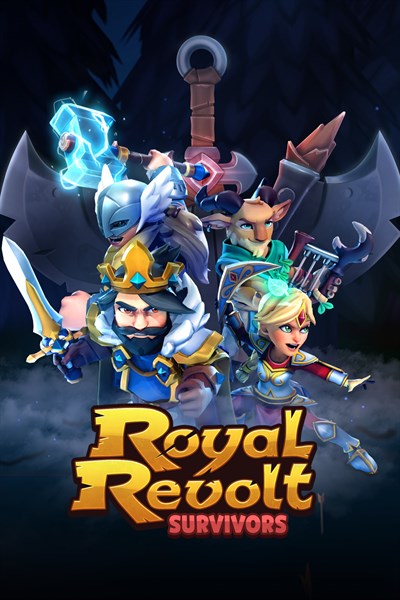
Royal Revolt Survivors delivers fast-paced top-down roguelite action fused with addictive survivor-style combat and massive replayability. Defend your kingdom against relentless waves of enemies and fight to survive run after run. Choose from iconic Warriors, each with unique abilities and playstyles. Battle across dynamic arenas filled with escalating threats, surprises, and ever-changing conditions that demand quick thinking and smart builds.
In Space Kitten, time is your greatest enemy. Take control of an adorable space feline and navigate the interconnected rooms of your spaceship with one simple, unforgiving rule: you have exactly 10 seconds to survive each challenge. Prepare for a platforming experience where every environment demands perfection. Activate switches, jump over deadly obstacles, and escape before the timer runs out. Instant respawn creates a fast-paced, addictive cycle of trial, error, and flawless execution. It’s a cute yet brutal adventure focused on memorizing the ideal route and mastering it with absolute precision.
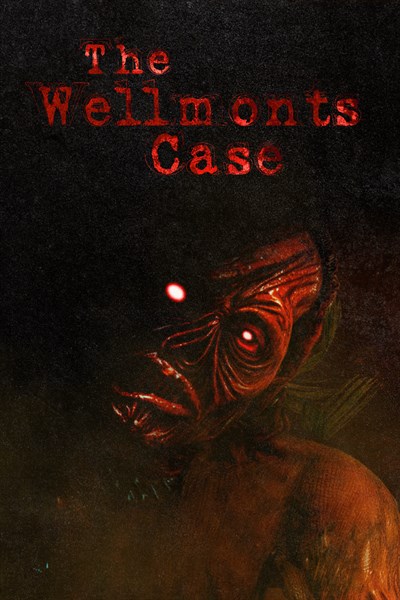
The Wellmonts Case is a first-person psychological horror game set in 1993, Northern Maine. As a private detective, you explore the abandoned Wellmont farm, search for clues, photograph unsettling evidence, and uncover the truth behind a family’s unexplained disappearance.
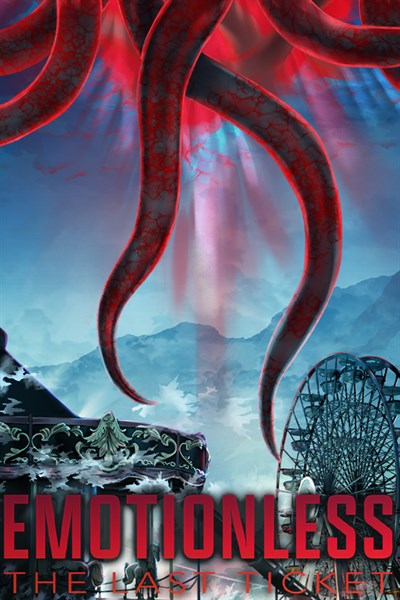
A first-person psychological horror journey where memory and reality fracture. As James Anderson, you return to the decaying remains of the amusement park your father built and then vanished within. Not everything you see is real. Not everyone you meet is alive. And some things simply don’t belong to this world.
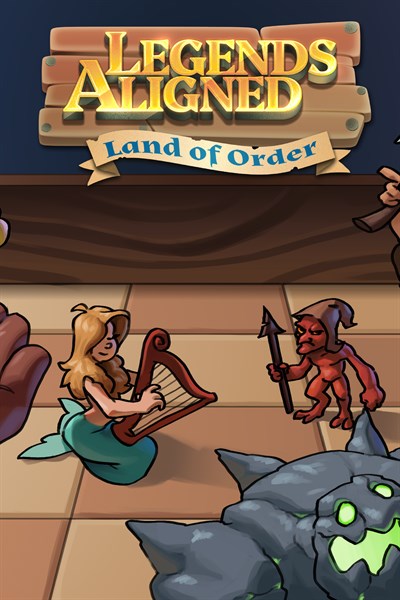
Step into a new chapter of calm and clever challenges in Legends Aligned: Land of Order, a puzzle where every piece has its place and every decision brings you closer to the perfect solution. Set in refreshed environments full of personality, the goal is simple and satisfying: fit different shapes together until the entire board is complete.
After walking away from volleyball, Kaito returns to the court with a burning desire to chase his dream once more. This time, he is serious about becoming a professional player. In Beautiful Sakura: Volleyball 2, Kaito reunites with three strong and unforgettable girls. Michiko, his passionate longtime rival who shares his love for intense competition. Yuuki, disciplined and sharp, who pushes him to grow stronger every morning. And Hikari, bold and unpredictable, who turns every match into something personal.
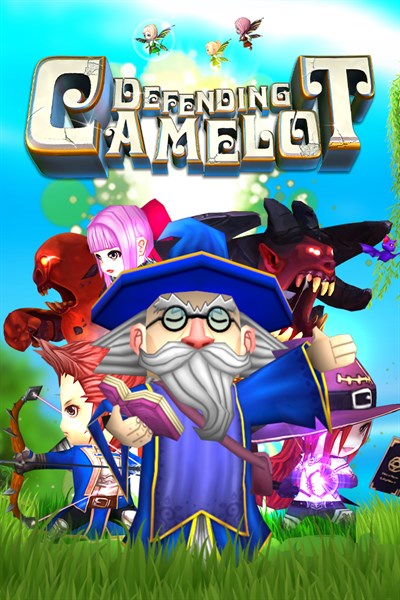
A tower defense RPG where you’ll take the role of King Arthur and strategically deploy your troops to fend off waves of menacing fiends. Choose from cards representing each unit type, placing archers and warriors of various classes on the battlefield to meet the threat head-on, while farmers and other support units earn coins to purchase more units or deploy magic to strengthen units’ defenses.
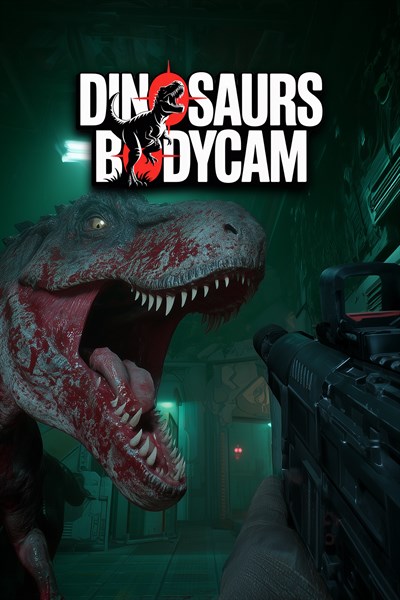
You’re part of an elite response team sent to investigate a remote research facility gone dark. Your bodycam captures every terrifying moment as prehistoric predators stalk you through blood-stained corridors and dense jungle terrain. Your mission was simple: secure the facility. What waits inside is beyond imagination. Every roar, every footstep, every desperate shot fired—all captured in horrifying detail. The footage doesn’t lie. The question is: will anyone find yours? Hunt. Record. Survive.
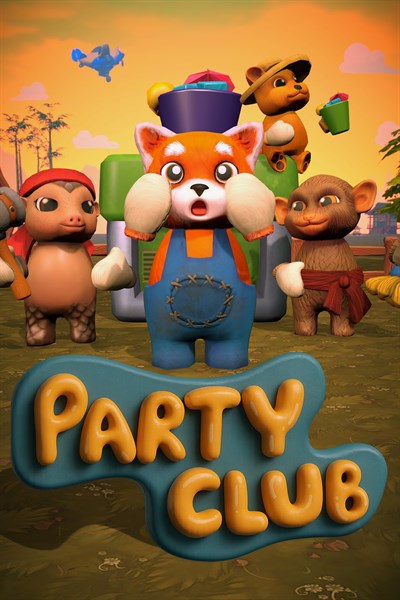
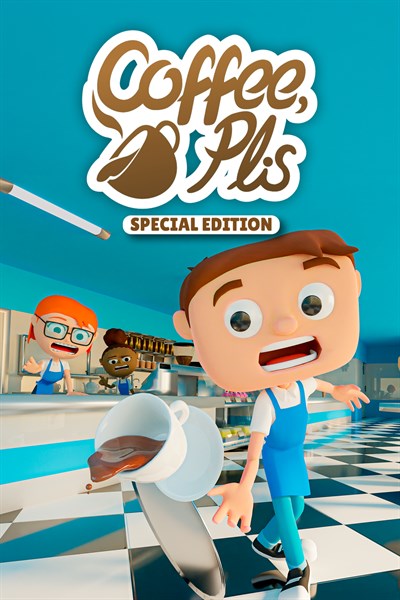
Seat customers, serve drinks, and manage chaos with up to 4 players! Keep the peace by considering customer types while seating them. Survive disasters, handle quirky customers, and design the perfect venue to keep the party going!
Side-scrolling, arcade action is paired with on-the-fly strategy. 3 button gameplay is easy to pick up, but it is the dynamic play-calling that elevates this title beyond just long bombs and acrobatics. Attribute-rich players make up a vast set of rosters. Dig through decades of teams to find your favorite All-Stars and even unlock the “Legends” in an immersive story mode. This game is a passion project for us indie developers here at Namo Gamo. We hope you can feel the love put into every pixel, the endless adjustments to stat-driven gameplay, and the genuinely retro sound and music.
A young man gets to fill in for his colleagues at a large cafeteria franchise as his first job, but things spiral out of control when he discovers chaos, also known as rush hour.
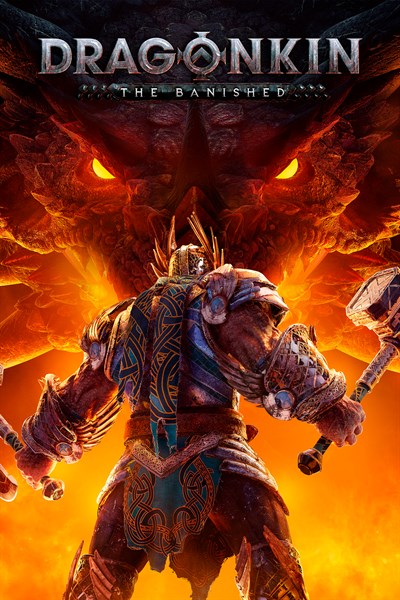
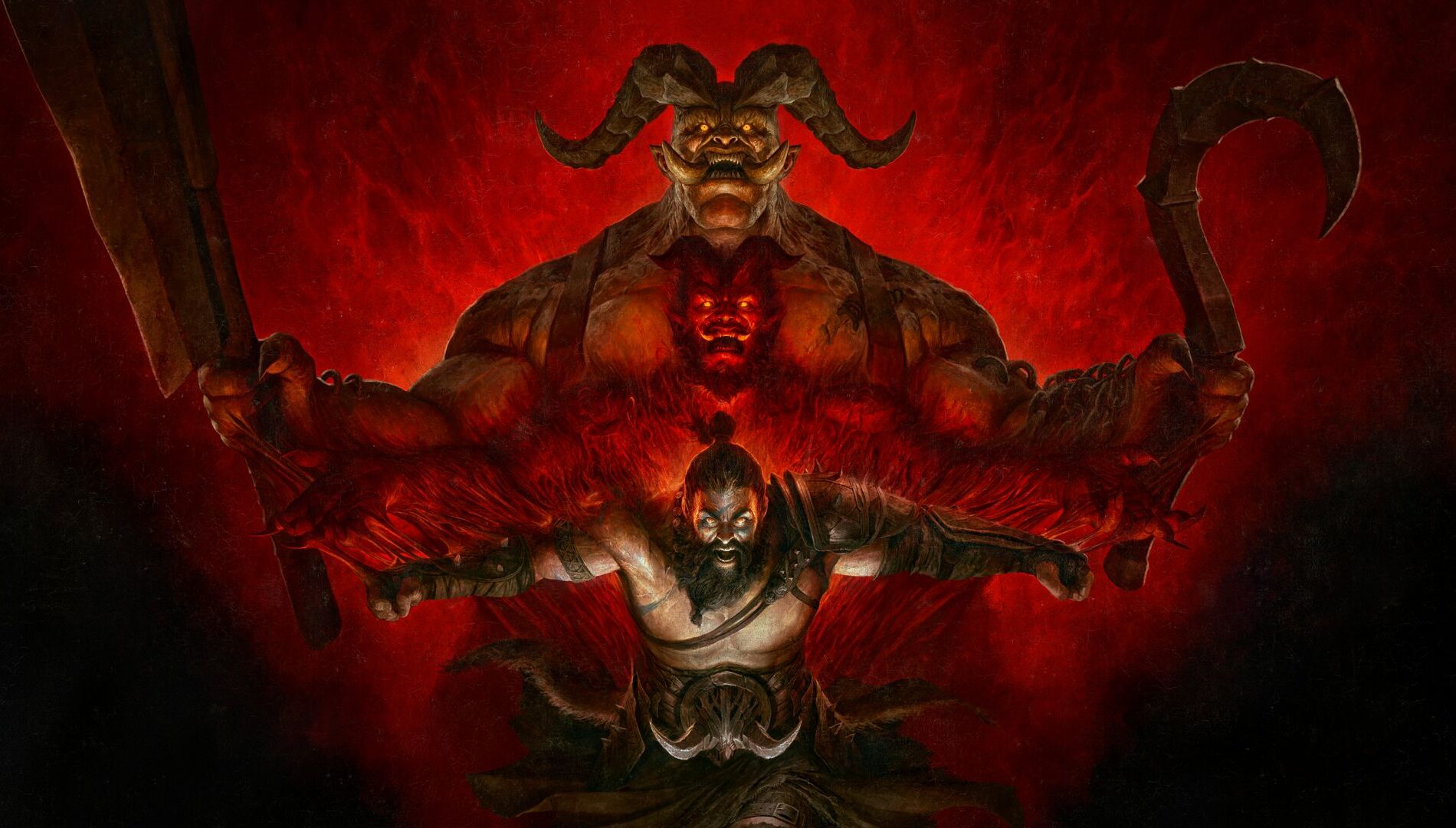
In Dragonkin: The Banished, immerse yourself in a world corrupted by dragon blood, where evil creatures emerge from the bowels of the earth. Play as one of the legendary hero classes, driven by a singular mission: to hunt down and annihilate the dragon creatures. Each battle brings you closer to your goal of finding and eliminating the Dragon Lords.
No-Skin – March 19 Optimized for Xbox Series X|S / Smart Delivery / Xbox Play Anywhere
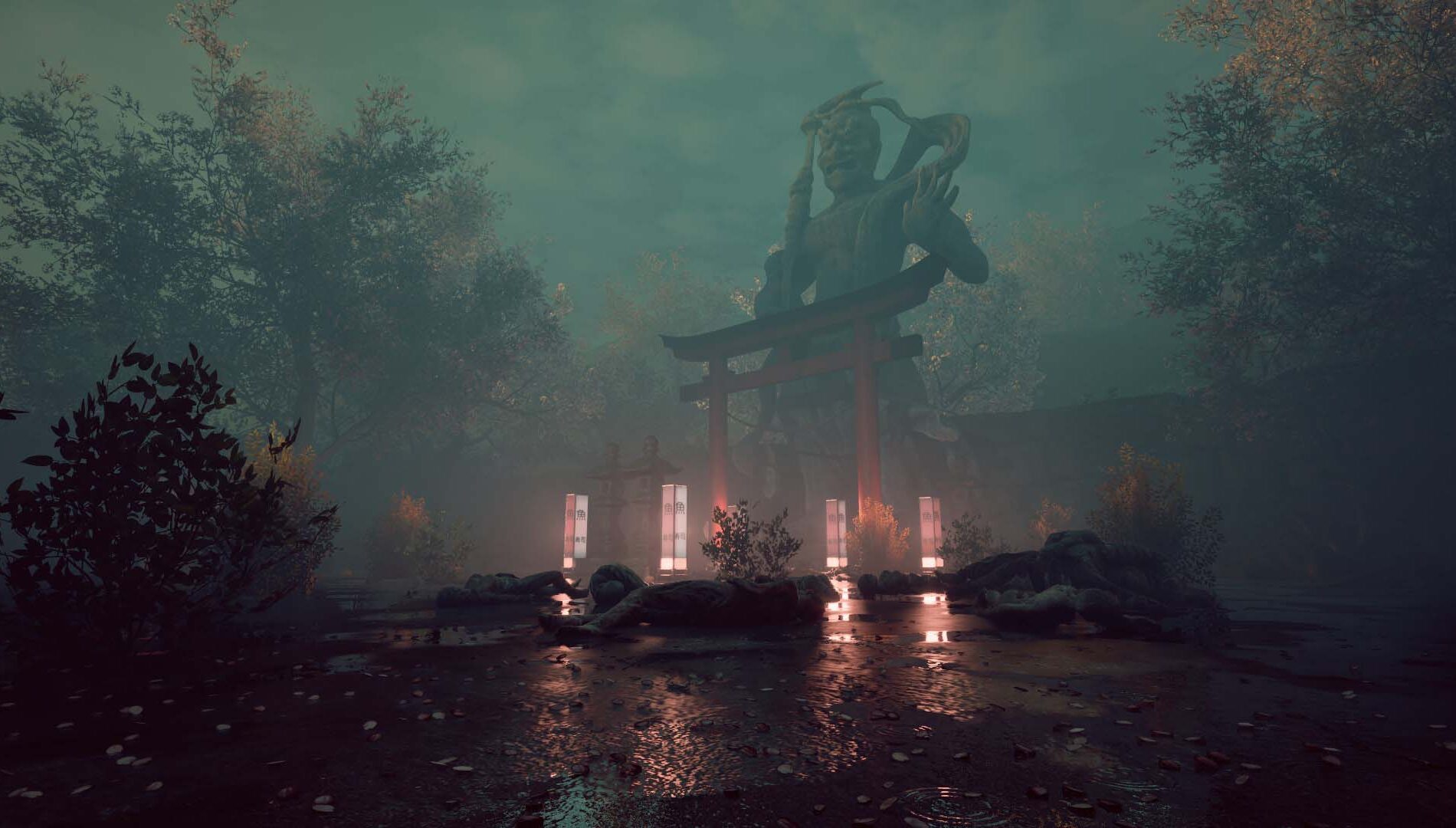
No-Skin is a horror roguelike with experimental artstyle and storytelling, strategic gameplay and deep mysteries. Face the horrors that the house hides behind every corner and discover who the No-Skin Man truly is. Immerse yourself completely in the unsettling and surreal atmosphere of the game!
Get ready for the most important mission in the zoo: making sure the laziest and most adorable panda in the world reaches its favorite bamboo! In Panda Keeper, you take on the role of the keeper and must use logic, patience, and a bit of strategy to push the big fluffy buddy around the enclosure without getting him stuck in tight corners. Each level is a new habitat filled with rocks, fences, and corridors that turn a simple “little push” into a delightful brain teaser.
Realpolitiks II is a grand strategy game where you lead a modern nation, managing its economy, diplomacy, espionage, and military while facing global threats like terrorism, pandemics, and famine. Build your country, shape its political system, command armies in land, sea, and air battles, and use diplomacy or covert actions to secure your path to world dominance.
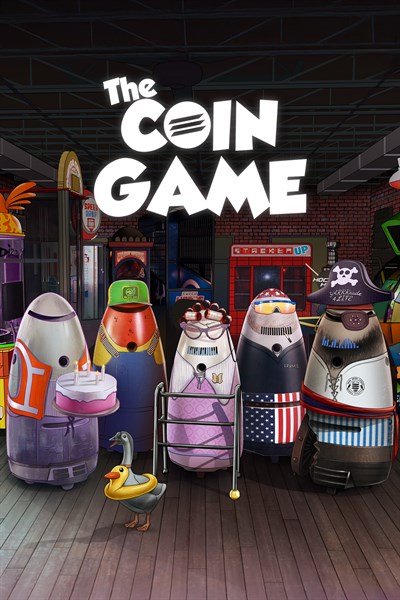
The Coin Game is a fun-filled arcade adventure on an island packed with ticket games, quirky robots, and endless activities. Explore realistic arcades with machines inspired by modern favorites and swap your tickets for prizes at redemption areas.
Battle Puzzle 2048 – Maidens of Steel brings a fierce twist to the classic 2048 puzzle game! Slide tiles to combine matching numbers, unleash devastating combos, and clash with a striking lineup of anime warriors and heavily armored battle maidens. Each opponent has her own tactical skillset—some block tiles, others absorb attacks, while a few unleash chaotic battlefield effects.
Cowboy Kart – March 20 Optimized for Xbox Series X|S / Xbox Play Anywhere / Smart Delivery / Handheld Optimized
Giddyup and get ready for some cowboy kart racing, ya’ll! It’s old school racing in the old west. Hurl horseshoes, drop cow-pies, and toss some TNT in this wily and wild game from the ’90s…. the 1890s that is… with supports for up to four players via split-screen.
Hoof & Seek – March 20 Optimized for Xbox Series X|S / Smart Delivery / Xbox Play Anywhere
Hoof & Seek is a relaxed hidden-object game set on a charming farm. Each level takes place on a single screen filled with barns, trees, fences, and other farm scenery. Somewhere in each scene, farm animals are carefully hidden. Your goal is to observe the environment, search every corner, and find them all.
Help Kuky, a curious character who gets lost in the Candy World and must travel through colorful environments to find the way back home. During the journey, collect candies and face strange sugar-made enemies such as marshmallows, cookies, and other living, dangerous sweets.
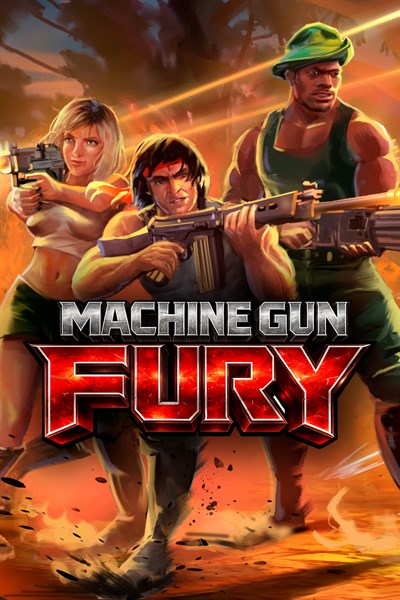
When tyranny takes control… someone must pull the trigger. Machine Gun Fury is a bold revival of the classic arcade military shooter — no cover systems, no moral debates, just pure reflex-driven carnage. It’s you, your trigger finger, and a limited supply of grenades against entire armies. If you grew up blasting through classic arcade games, welcome back to the frontline, soldier.
Rip through retro-futuristic Tokyo highways in a demonic pursuit of speed and power! Lane split through heavy traffic and dominate tracks filled with obstacles on an action-packed mission to overcome possession. Uncover the truth behind your curse through scattered collectible manga pages. Are you fast enough to outrun your demons?
Push your skills to the limit to reach the highest point in the world. Only the chosen ones can taste the thrill of victory, standing on the edge and admiring the Earth below. Jump, parkour and compete against yourself in thousands of meters of tough challenges. Race the clock, beat it, break records and reach unprecedented heights! The only rule is not to fall!
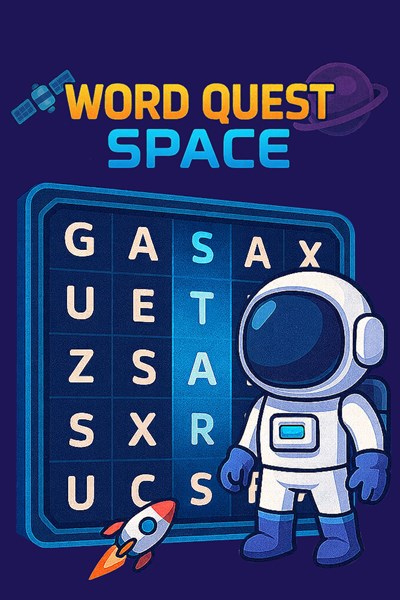
Blast off into an intergalactic word search experience in Word Quest: Space. Explore distant galaxies and solve glowing puzzles filled with cosmic secrets. Connect letters, discover hidden words, and journey through planets, asteroids, and nebulae in your quest for knowledge among the stars. Every puzzle completed takes you deeper into the universe — can you conquer the cosmos one word at a time?
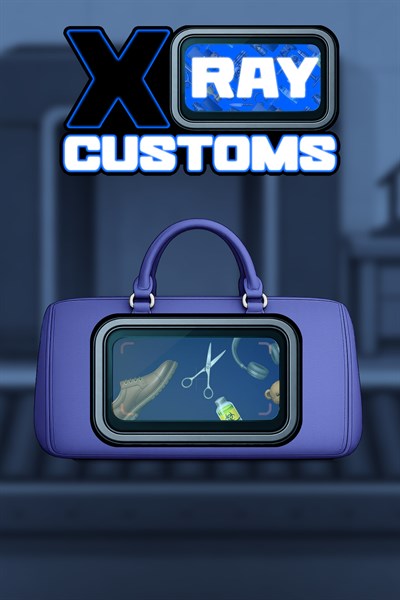
Xray Customs – March 20 Optimized for Xbox Series X|SXray Customs puts you in the role of a customs inspector with one clear responsibility: don’t let anything dangerous slip through. Using an Xray scanner, you search through bags, spot prohibited items, and clear each checkpoint by finding everything that doesn’t belong. Whether you prefer a calm, methodical experience or the thrill of racing against the clock, Xray Customs rewards sharp eyes and attention to detail. It’s easy to pick up, satisfying to master, and turns the simple act of scanning luggage into an engaging and addictive puzzle challenge.
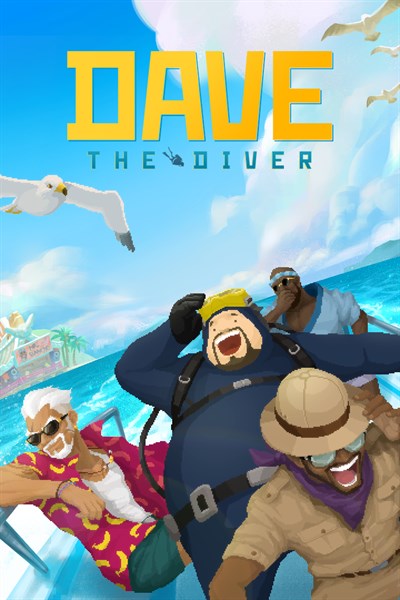
A New Glimpse at Dave the Diver’s Upcoming DLC, Launching June 18
Jaeho Hwang , CEO of Mintrocket
Summary
Dave The Diver: In the Jungle DLC is scheduled to launch June 18 on Xbox on PC, Xbox One, Xbox Series X|S, and handheld.
The newly released trailer teases details about Dave’s next adventure.
With a new village, new NPCs, and unique underwater experiences, the DLC aims to offer something fresh and distinct from the Dave the Diver experience you know.
It’s been a long time coming, and we’re thrilled to finally share the launch date for our upcoming Dave the Diver DLC called In the Jungle. Dave takes on this whole new adventure as of June 18, 2026!
The news about this expansion has been out for a little while now, so the time for being koi… (ahem, fish pun) is over! Today, we’re excited to share more about what to expect in this new DLC that gives Dave a whole new flavor while remaining true to its roots.
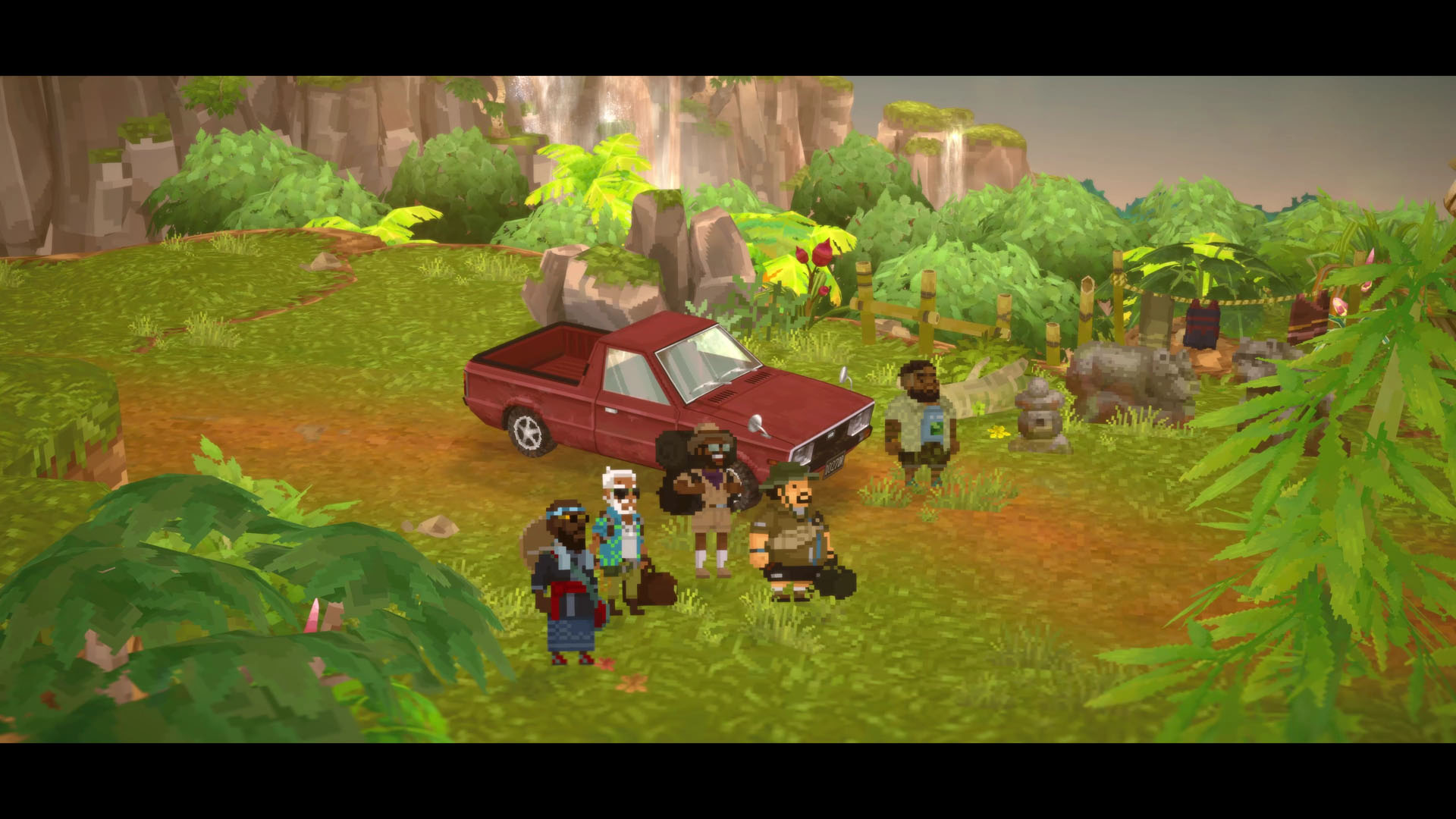
Let’s start with today’s new trailer. We saw a lot this time, and perhaps most notably the giant freshwater dinosaur washed ashore in the village. Fans of Dave know that there’s a whole story waiting to be uncovered there, and frankly, there are many surprises in store that we can’t wait to tease more of later. Oh, and you probably noticed one of the characters in that scene is not like the others…that’s Muna, Dr. Bacon’s assistant. We’ll learn more about her, too.
There’s also lots of sneak peeks into other new elements in this DLC, ranging from the new locations, puzzles, minigames, boss fights, and jungle creatures you’ll meet. But the true star of the show this time is the new campaign and the way our players will interact with new characters and the environment, as well as the implications a jungle setting has on Bancho’s choice of cuisine.
The new trailer showcases Dave and his friends’ next big adventure featuring an all-new jungle eco-system to explore, a fantastic new restaurant for Bancho to demonstrate his culinary skills and lots of surprises! Check out the trailer below:
[TRAILER EMBED]
A New Campaign, A New Jungle, Same Old Dave (Mostly)
When we started building In the Jungle, one thing was non-negotiable: it still had to feel like Dave the Diver, full of the same humor, wit, and orchestrated chaos that our fans know and love.
This time, Dave trades the Blue Hole for an entirely new biome, a lush jungle packed with new opportunities, exotic ingredients, loads of wildlife, and a bustling lakeside village called Utara. It’s alive, it’s vibrant, and it’s filled with new characters to meet, along with a few familiar faces who couldn’t resist tagging along for the adventure.
But make no mistake. This is no simple change of scenery for the gang. There’s a robust new life to be lived here, complete with danger, mystery, and lots of amazing food.
And of course, Dave is still Dave. Slightly overwhelmed, surprisingly capable, and somehow at the center of it all.
Jungle Gameplay: New Waters
Even in a whole new biome and trading the wetsuit for stained khakis, we’ve preserved Dave’s signature offbeat humor, stylised pixelated cutscenes, and the fulfilling blend of exploration and management that makes Dave tick. But of course, the jungle changes things.
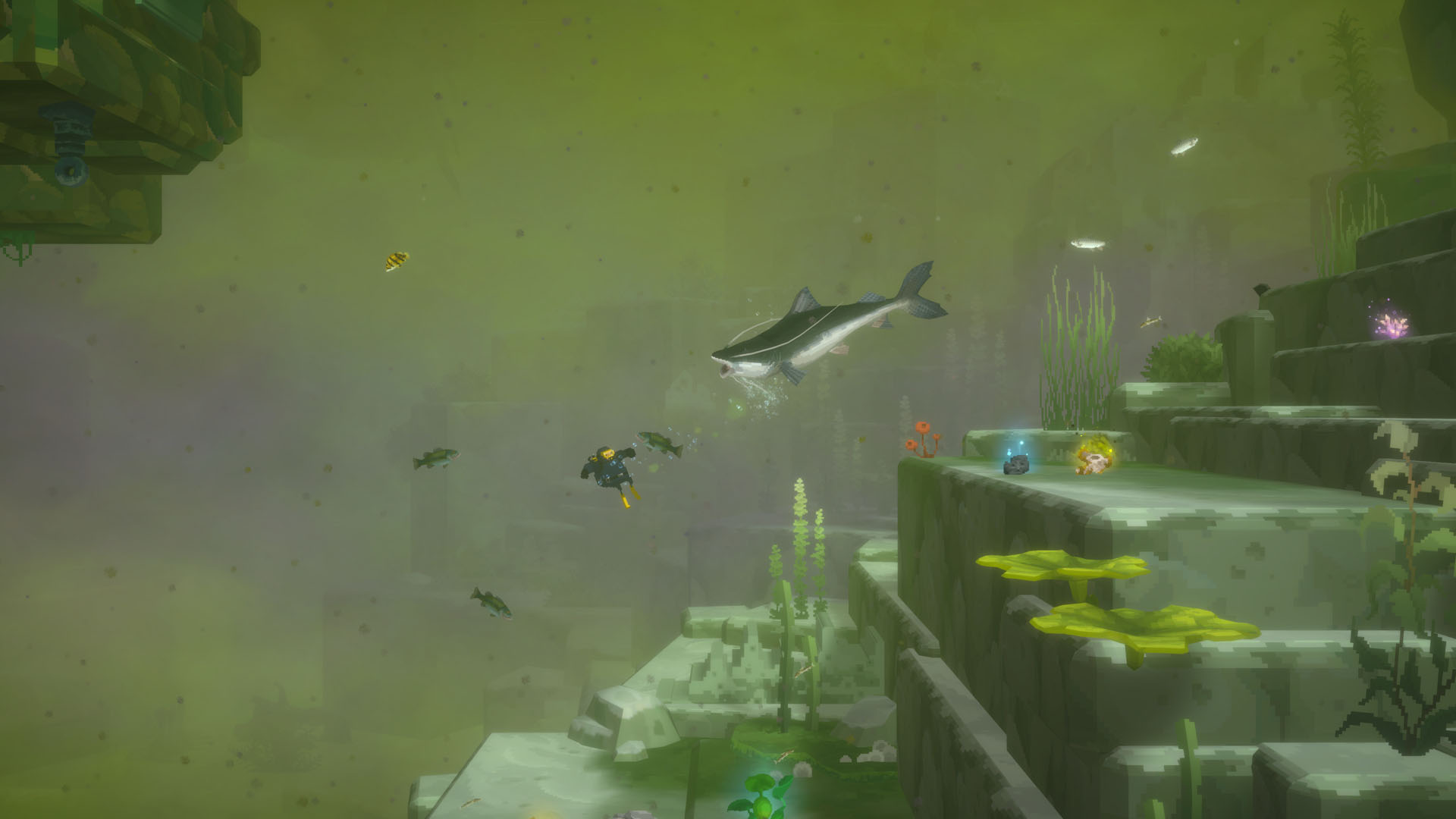
This time around, Dave is traversing not only the surrounding jungle and village, but the massive lake in Utara where he meets many new fish species, discovers new ingredients, and other ecosystem-specific surprises, including the way the fish and other underwater animals interact with Dave. Freshwater fish have new movement patterns, new attack behaviors, and new environmental interactions that shift the rhythm of dives in ways that should feel both familiar and refreshingly different.
There’s also the villagers. As much as the ecosystem in the jungle lake beats with life, the village of Utara operates within its own unique system, one that Dave will need to learn and master. With some earned trust, a stroke of luck, and that undeniable Dave charm, the villagers can be welcomed to Bancho’s restaurant as guests. This new dynamic propels much of the storyline in this DLC, and it of course means new friends along the way.
Beyond the bird-hunting sequence from the trailer, we’re introducing several additional minigames that build on what players loved in the base game. As ever, they’re woven naturally into the story and the world, adding even more variety to Dave’s routine.
Bancho’s Grill: No Sushi, No Problem
Another area where In the Jungle departs from the base game is the introduction of Bancho Grill. This freshwater twist on Bancho’s restaurant features a fully-cooked jungle-themed menu – time to grill and chill!
This time, Dave isn’t stuck serving along a single horizontal plane. He can now move freely throughout the Grill, serving customers across multiple areas. And as I mentioned before, one of the most exciting aspects of the new restaurant is the interaction with the villagers themselves. As Dave interacts with local inhabitants, his bonds with them grow, and they’ll begin visiting Bancho’s Grill as diners, making the restaurant a key hub between Dave and the village community.
You’ll also be able to customize Bancho’s Grill, giving it a personality that fits your jungle journey. Meanwhile, Bancho will be hard at work transforming newly caught freshwater fish and locally gathered ingredients into entirely new dishes. After all, the jungle might be unfamiliar territory, but great food is universal!
The Jungle Calls
We have lots more to share about Dave the Diver: In the Jungle before launch on June 18. If you haven’t already, we welcome everyone to begin their underwater adventures in Dave the Diver today on Xbox, and check out all of the other DLC options — there’s something there for everyone! For more news about Dave the Diver and In The Jungle as it approaches launch, be sure to join the official Dave the DiverDiscord channel.
・An adventure, RPG, management hybrid
Explore and unravel the mysteries in the depths of the Blue Hole by day and run a successful exotic sushi restaurant by night.
It’s easy to get hooked on the satisfying gameplay loop!
・Casual combat and gathering gameplay with rogue-like elements
Dive into the ever-changing Blue Hole and use a harpoon and other weapons to catch fish and various creatures.
Upgrade and forge equipment with collected resources and sushi restaurant profits to prepare for the dangers that lurk in the unknown.
Running out of oxygen means leaving collected items and fish behind!
・Eccentric characters with a lighthearted narrative
Quirky but lovable characters and a story full of in-jokes, spoofs, and other humorous scenes provide an approachable and enjoyable gameplay experience.
・A beautiful sea environment with attractive 2D/3D Art
A combination of pixel and 3D graphics provides a stunning art style that showcases breathtaking underwater scenery. This oceanic adventure is set in the real marine environment of a Blue Hole filled with over 200 kinds of sea creatures.
・Ample additional content to complement the main gameplay loop
Minigames, side quests, and multiple storylines provide many hours of entertainment and varied gameplay.
This remake is updated with enhanced graphics, immersive sound, and a new, unfixed third-person camera.
Both the demo and full game are now available on Xbox Series X|S
Originally released back in 2003, Fatal Frame II: Crimson Butterfly has long been lauded as one of the most terrifying Japanese horror games to ever created. Game directors Hidehiko Nakajima and Makoto Shibata, recently sat down to discuss the new project, the keys to designing horror games, and the real-life inspirations behind the hauntings.
Why did Team Ninja decide to select Fatal Frame II: Crimson Butterfly for a full remake among the many past titles?
Shibata: In recent years, we released remastered versions of the Fatal Frame series, and they received positive feedback from players who had never experienced the series before. Around that time, as Team Ninja was planning several new projects, the Fatal Frame series came up for discussion. Among them, Crimson Butterfly was the most frequently requested title from players, which led to this decision.
Nakajima: It is very popular among long-time fans of the series, and at the same time, it has strong name recognition even among players who have never played it.
Shibata: While the series has a long history, it also inevitably carried issues such as heavy controls and dated game design, which were pointed out even in the two most recent remasters.
Nakajima: We knew that developing a horror game would be challenging since it was not a genre Team Ninja had experience with. However, both Shibata, the series director, and myself, along with other staff who had worked on past Fatal Frame titles, believed we could overcome this by leveraging the development environment and know-how cultivated through Team Ninja’s action games.
Shibata: By fully remaking the game—reworking the action and revisiting every element—we felt we could eliminate any outdated impressions of the series and make it enjoyable for modern players who play a wide variety of horror games today. Given that it has been a long time since the last new Fatal Frame title, we decided that a remake was the right approach.
What kinds of discussions and alignment were most important between the action and story teams during development?
Shibata: Broadly speaking, I handled the story and setting, while Nakajima focused on the action. However, since horror games are driven by experience, it was difficult to strictly divide roles. We progressed by constantly checking and discussing things with each other.
Nakajima: The key focus was how the horror experience would change in this remake, and what we needed to do to achieve that.
Shibata: In the original, the game’s camera switched between fixed, third-person angles and first-person when using the Camera Obscura. This time, we adopted a standard third-person view for navigation, meaning players are more consistently rooted in Mio’s perspective. If we tried to recreate the original staging exactly, it would require forcibly turning the camera in the opposite direction from where the player was looking.
Nakajima: Forcing the player’s view like that works in horror films, but in an interactive horror game, it breaks immersion. This was a challenging point, so Shibata approached it from the perspective of story, horror presentation, and the original intent, while I focused on how to realize that within a 3D action-game space. We had different perspectives so refined it through discussion.
Shibata: To make players feel the fear of Japanese horror with this control scheme and camera, we redesigned the staging, environmental layouts, and the flow of gameplay.
Nakajima: Unlike previous Team Ninja titles, this game does not prioritize action-driven exhilaration. While improving the controls’ responsiveness and feel is necessary, Mio is just an ordinary human with normal abilities. Simply increasing responsiveness would feel unnatural. From a horror perspective, her movements needed to feel human, while from an action perspective, controls needed to remain stress-free. We adjusted the game carefully from both sides.
How did you redefine “fear” for modern players?
Shibata: The core concept of “fear that stimulates imagination” remains unchanged from the original. However, the way fear is delivered has changed. With the new controls and camera, fear shifts from something the player is “shown” to something they “end up seeing.” Fear now comes from realizing that you have looked at something terrifying as a result of your own actions.
Nakajima: The previous approach had its own unique charm, but in terms of fear, we shifted from adventure-game techniques to action-game techniques. For example, by allowing natural character movement and aligning the player’s viewpoint closely with the character’s, players feel as if they themselves are looking around the village. By increasing immersion, guiding attention, and adjusting movement routes, players naturally “end up seeing” something frightening. That said, combat using the Camera Obscura remains unchanged—you still need to face and look directly at terrifying entities to fight them.
With increased technical capabilities, what elements did you intentionally prioritize or preserve from the original?
Shibata: If the visuals look too clear, the atmosphere is lost. In the original, visual noise was constantly applied to the screen to convey unease and the damp atmosphere of Minakami Village. In this remake, we layered subtle visual noise on the screen, which intensifies when wraiths are nearby. While clearer visuals show off the detailed CG, we intentionally roughened the image to preserve the atmosphere. We also preserved the contrast in visual style—realistic environments and wraiths paired with a charming protagonist. Although this approach originally worked well with low-polygon models, it is also part of the series’ identity. While we improved skin translucency and clothing textures, we maintained that contrast.
What was the most difficult decision when balancing original fans and new players?
Shibata: This wasn’t particularly difficult. We kept the original world and story intact while adopting modern controls and camera work for accessibility. We focused on how players interact with the world of Crimson Butterfly, and enjoyed developing features like Camera Obscura filters and the hand-holding mechanic.
Nakajima: The fear and story we wanted to express already existed. Our challenge was figuring out how to make that experience accessible and easier to play for new players.
How did you leverage Team Ninja’s strengths, and where did you intentionally restrain them?
Nakajima: Our strength lies in balancing natural movement with responsive controls. This is a horror game, and the protagonist is an ordinary human. Striking a balance between Team Ninja’s signature responsiveness and natural movement was both our strength and something we consciously restrained. For example, while inputs respond quickly, the character’s motion emphasizes natural actions over speed. We fine-tuned elements like startup weight and walking versus running speed so that movement feels natural without causing control stress, allowing players to focus solely on the fear. Of course, when it comes to the movement of wraiths, we fully utilized Team Ninja’s expertise.
What did Team Ninja learn from developing a horror game?
Nakajima: Level design and pacing of presentation. Horror games rely less on action derived from terrain and enemy placement, and more on the player’s emotions and awareness. For example, revisiting a familiar location can evoke new fear. These insights can also be applied to action games.
What was uniquely challenging or rewarding about developing a remake?
Nakajima: Because there was an original, we couldn’t drastically change or remove stages or wraiths. Revisiting every element from scratch was challenging.
Shibata: Being able to add stages and actions that couldn’t be implemented in the original was very rewarding. The action of holding Mayu’s hand is one such feature—something we ambitiously included because Team Ninja excels at action design.
How would you like players to approach this game?
Shibata: For those who played the original, we want them to enjoy seeing how much it has evolved. Since the original was released in 2003, memories may be idealized, but we believe this remake lives up to those memories.
Nakajima: For new players, we hope they enjoy it simply as a new horror game. Among many horror titles today, this one offers an accessible way to experience Japanese horror.
Shibata: Each Fatal Frame title tells a complete story, making this a great entry point for newcomers.
How do you view this remake within the overall Fatal Frame series?
Shibata: Although labeled a remake, we rebuilt every element from scratch using Koei Tecmo’s latest engine. I see it as a reboot of the Japanese horror series.
Nakajima: With this title, we feel we have established a solid system for expressing Japanese horror, and we’d like to further develop it.
Could you share inspiration drawn from personal experiences?
Shibata: I seem to perceive ghosts more through sound than sight. Ghosts emit unique sounds from their location—those sounds rise and fall but remain distinct to each ghost. Sensing their presence through sound is something we incorporated into the Fatal Frame series.
Which wraiths left the strongest impression on you?
Shibata: Chitose Tachibana’s ghost. While most wraiths are terrifying, she looks cute, and once you learn her background, defeating her feels tragic. She was important in adding variety to the wraiths.
Nakajima: All wraiths left an impression due to their backgrounds, but in this remake, Miyako Sudo stands out. As the first wraith players encounter, she was the one we spent the most time refining in terms of representation and combat.
Have you ever tried photographing a spirit in real life?
Shibata: Even if a ghost appeared, I’d be too startled to react in time. I’ve made games about instantly photographing ghosts for years, but in reality, it’s extremely difficult.
If you could choose a weapon to fight a ghost in the real world, what would it be?
Shibata: You can’t win in real life—it’s better to run. Ideally after taking a photo!
Nakajima: I actually carry salt in my bag, so I’d probably throw that. But since I’m bad with horror, if I really encountered one, I’d probably freeze in fear.
Notes:
– Bonuses may become available at a later date either for free or as a separate purchase.
– The effects assigned to Pre-order Bonus charms may also be obtainable through normal gameplay progression.
Notes:
– Early Purchase Bonuses will be included with orders made by March 25, 2026.
– Bonuses may become available at a later date for free or to purchase separately.
– The effects assigned to Early Purchase Bonus charms may also be obtainable through normal gameplay progression.
Together, always.
FATAL FRAME II : Crimson Butterfly Beautifully Remade
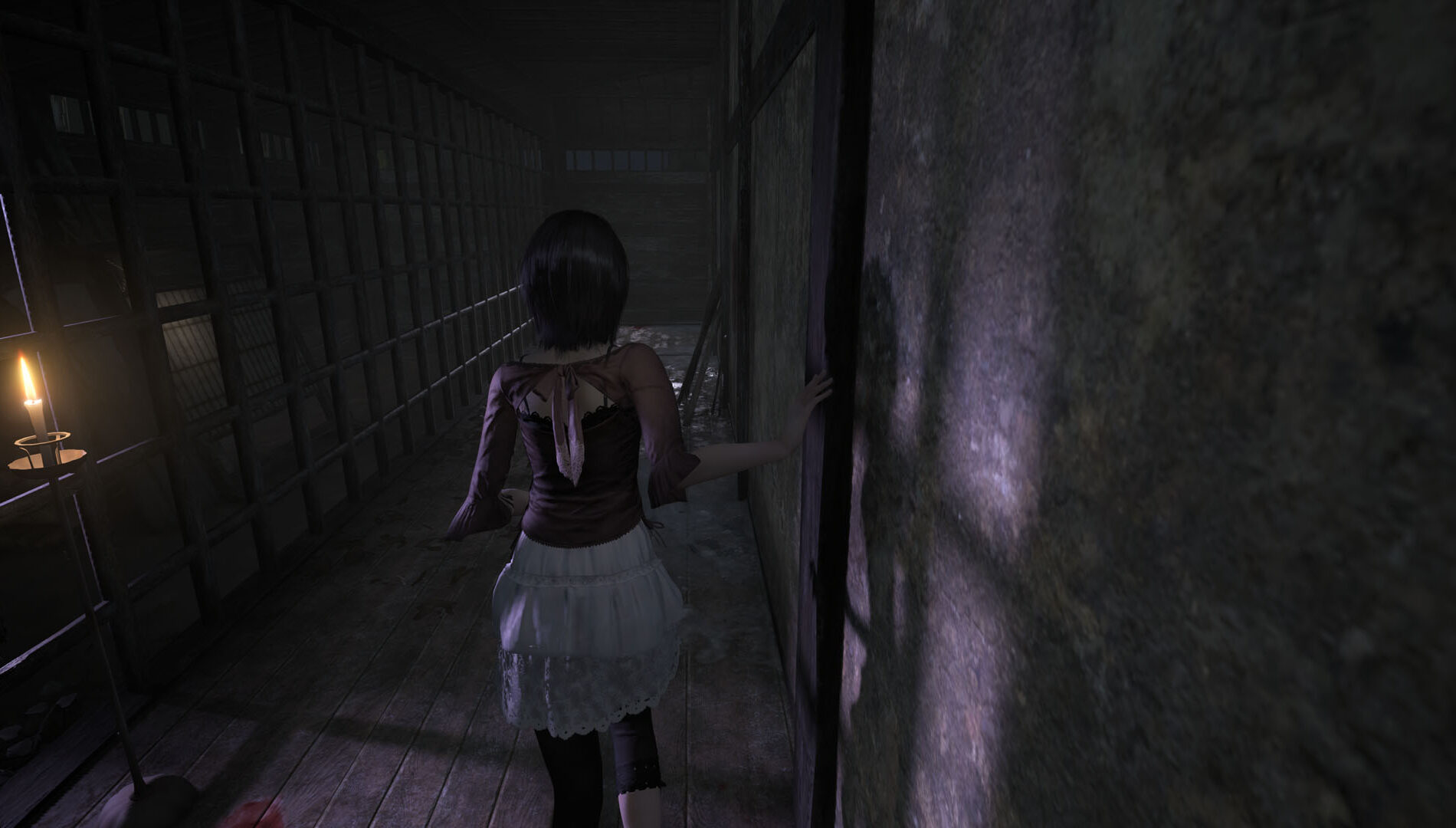
The graphics, sound, and controls have all been rebuilt from the ground up. Character textures, including skin and clothing, have been refined to the highest detail, and Minakami Village has been meticulously recreated with a focus on light and shadow, bringing its dark and ominous atmosphere to life with stunning realism.
With 3D sound, you can feel the presence of spirits more vividly and closely. Immerse yourself in the chilling experience of exploring a haunted village.
Side stories and new areas have been added, offering players a deeper and more immersive experience in the world of FATAL FRAME II: Crimson Butterfly.
FATAL FRAME II: Crimson Butterfly REMAKE Digital Deluxe Edition Contents
FATAL FRAME II: Crimson Butterfly REMAKE Full Game
Digital Art Book
Digital Soundtrack
– These contents cannot be downloaded as separate files (PDF, MP3, etc.).
– Some of the materials featured in the content are closely tied to important story elements. Please keep that in mind before viewing the content.
Digital Deluxe Bonuses
– Accessories
Lace Gloves (White)
Lace Gloves (Black)
– Costumes
Japanese Gothic Dress (Left Wing)
Japanese Gothic Dress (Right Wing)
– Other
Deluxe Charm
Notes:
– The effects assigned to Digital Deluxe charms may also be obtainable through normal gameplay progression.
– This item includes the same content as the FATAL FRAME II: Crimson Butterfly REMAKE Digital Deluxe Upgrade. Please be careful to avoid making a redundant purchase.
– The standard edition of FATAL FRAME II: Crimson Butterfly REMAKE is also available. Please be careful to avoid duplicate purchases.
For more information, visit the official website: https://www.koeitecmoamerica.com/fatalframe/crimson-re/us/
– Screens are taken from an in-development build. Final product may differ from actual shown footage.
Notes:
– Bonuses may become available at a later date either for free or as a separate purchase.
– The effects assigned to Pre-order Bonus charms may also be obtainable through normal gameplay progression.
Notes:
– Early Purchase Bonuses will be included with orders made by March 25, 2026.
– Bonuses may become available at a later date for free or to purchase separately.
– The effects assigned to Early Purchase Bonus charms may also be obtainable through normal gameplay progression.
Together, always.
About FATAL FRAME II: Crimson Butterfly REMAKE
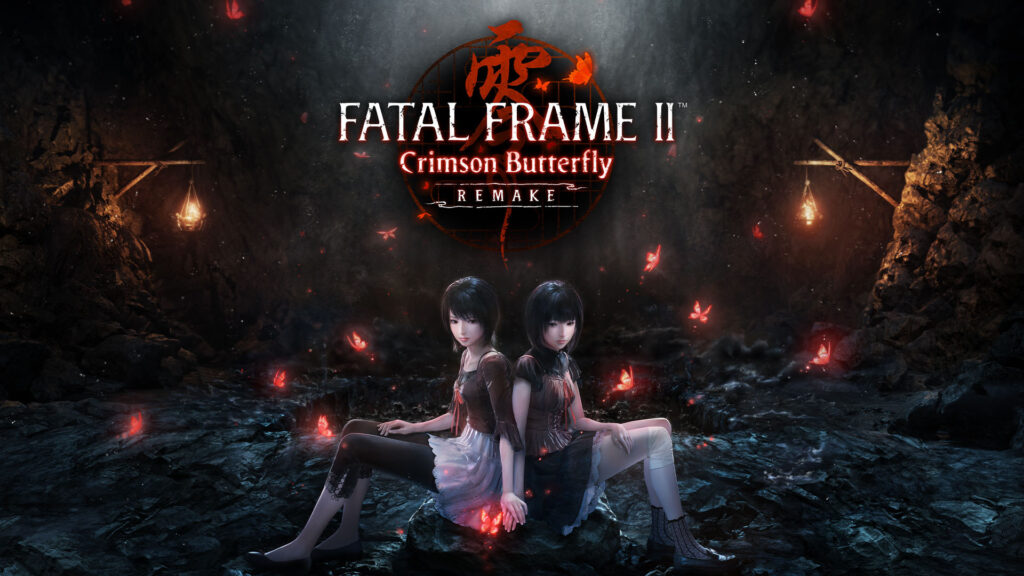
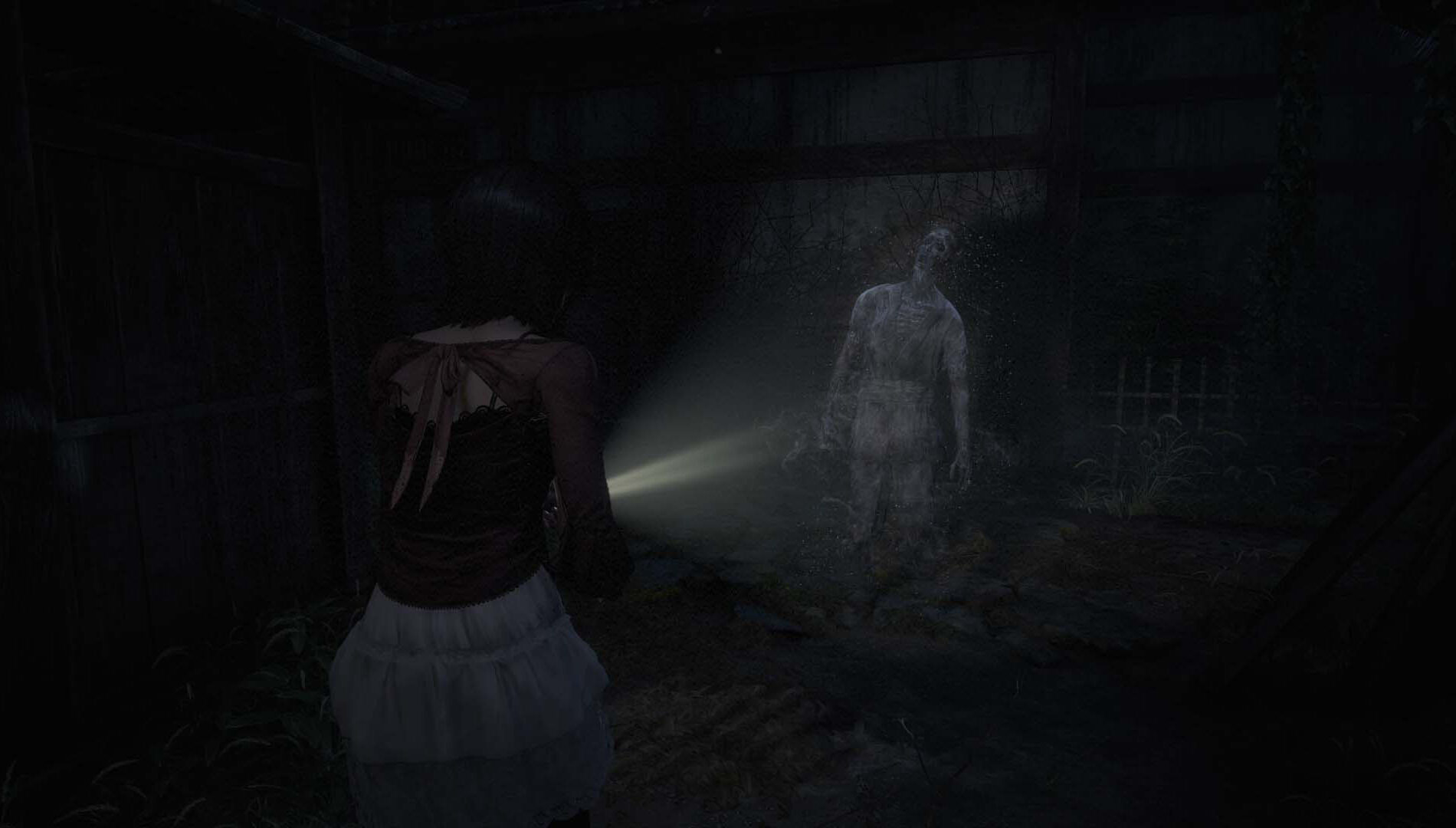
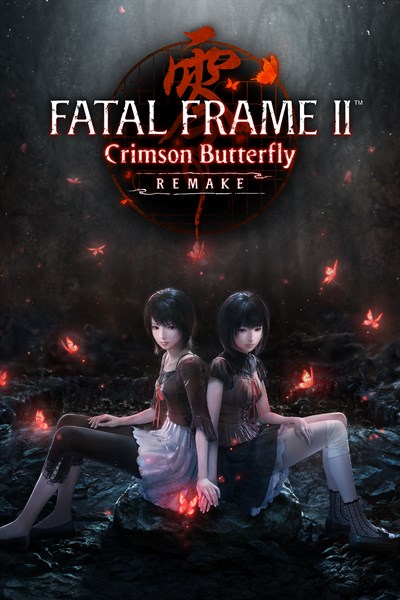
The full remake of the second installment in the FATAL FRAME series titled FATAL FRAME II: Crimson Butterfly. This Japanese-style horror adventure game follows twin sisters who become lost in an abandoned village haunted by vengeful spirits. Using the Camera Obscura—a device that can capture and seal away the impossible—they fight ghosts as the story unfolds.
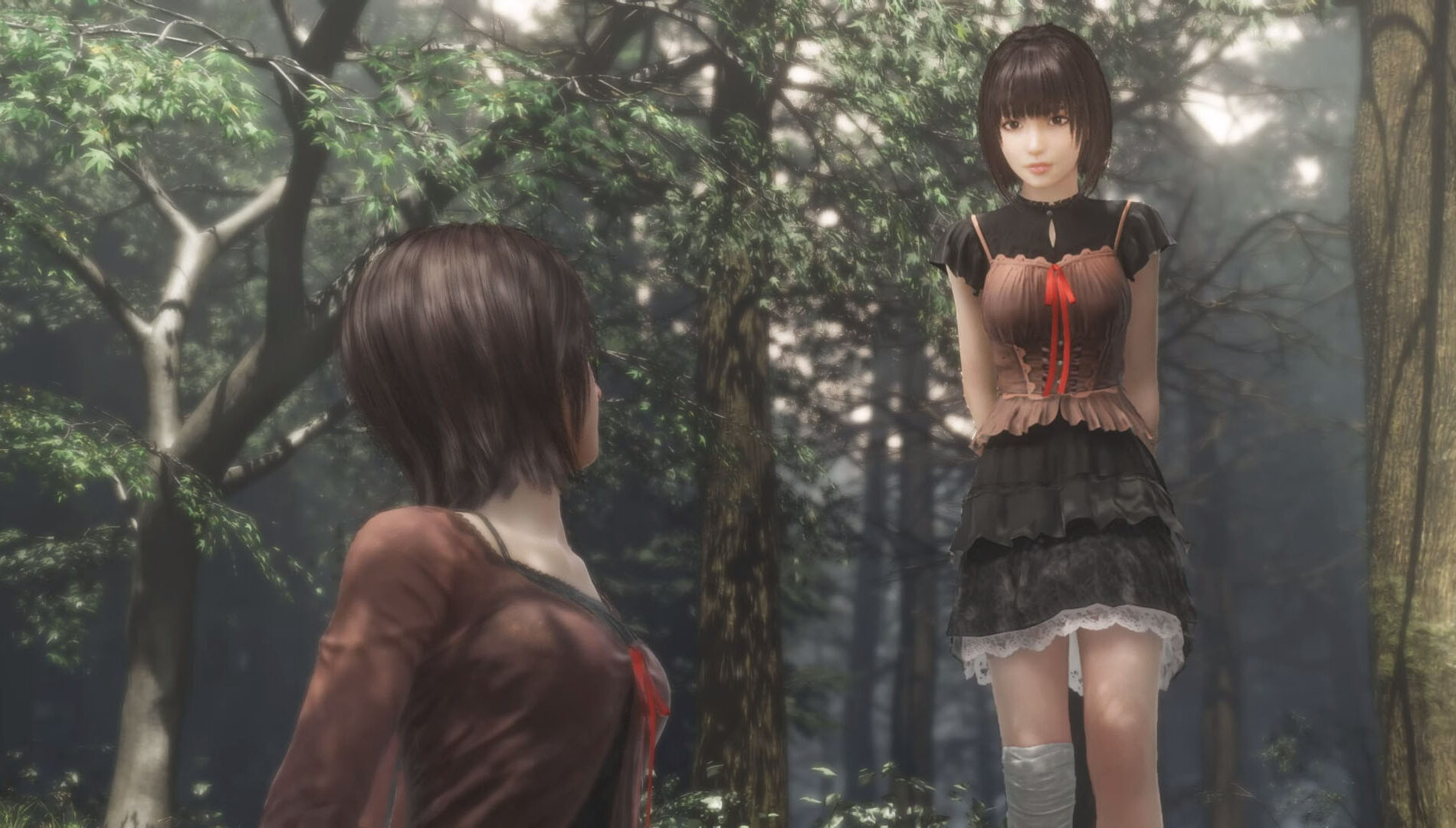
This title has undergone a complete overhaul, with improvements to everything from visuals and audio to the core gameplay systems and controls. The signature Camera Obscura mechanic, used to capture and fend off spirits, remains a key feature, now offering richer and more engaging gameplay in both exploration and combat. In addition, the new “Holding Hands with Mayu” mechanic adds a heartfelt touch, letting you experience the deep bond between the sisters like never before.
FATAL FRAME II: Crimson Butterfly Beautifully Remade
The graphics, sound, and controls have all been rebuilt from the ground up. Character textures, including skin and clothing, have been refined to the highest detail, and Minakami Village has been meticulously recreated with a focus on light and shadow, bringing its dark and ominous atmosphere to life with stunning realism.
With 3D sound, you can feel the presence of spirits more vividly and closely. Immerse yourself in the chilling experience of exploring a haunted village.
Side stories and new areas have been added, offering players a deeper and more immersive experience in the world of FATAL FRAME II: Crimson Butterfly.
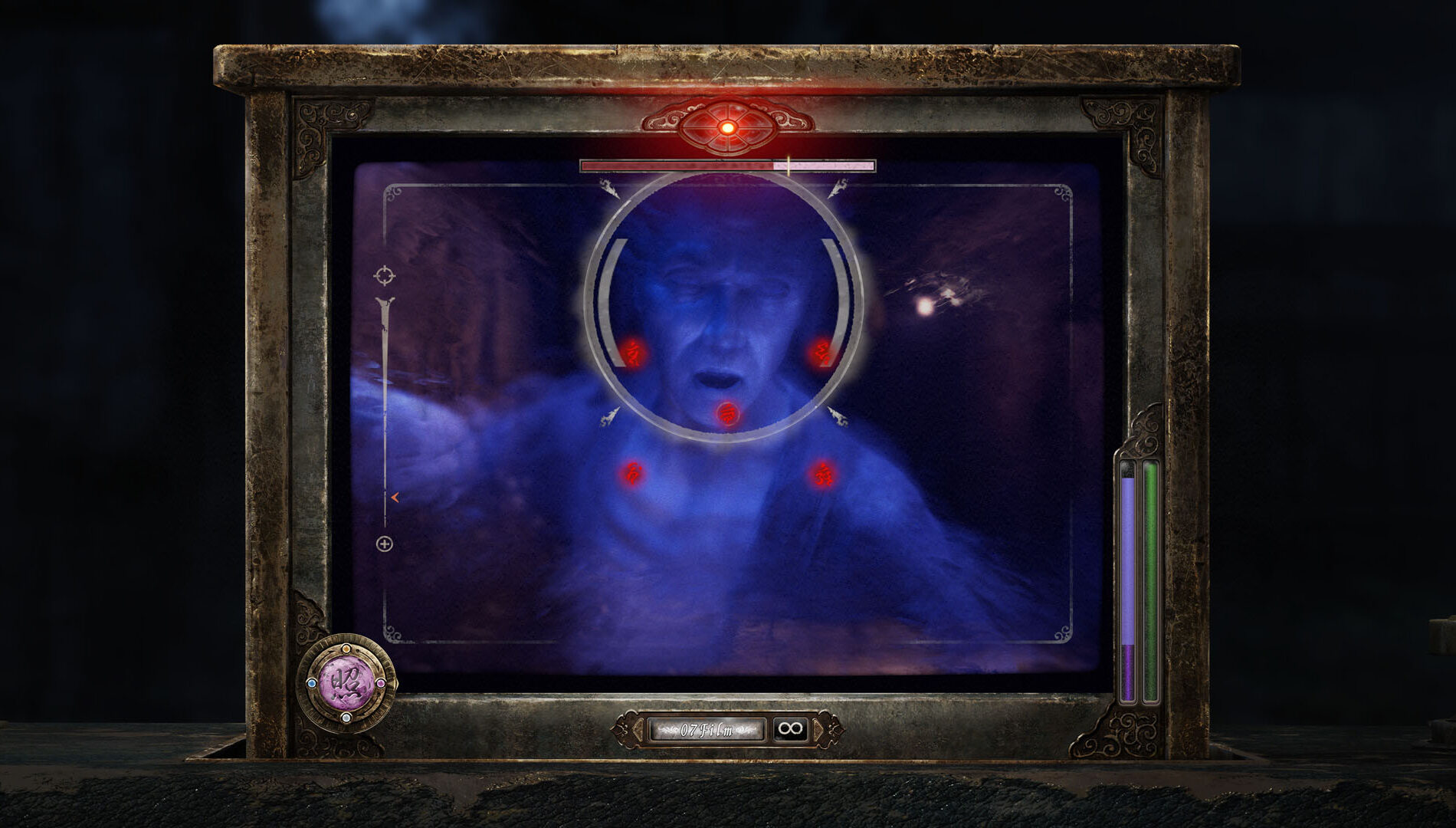
Enhanced Camera Obscura Battles
The iconic gameplay of repelling spirits using the Camera Obscura remains intact, while introducing new features such as Focus, Zoom, and Filter Switching.
Filters offer unique functionalities for both combat and exploration, allowing players to adapt to attacking spirits and uncover the mysteries of the cursed village.
A Digital Deluxe edition of FATAL FRAME II: Crimson Butterfly REMAKE is also available. Please be careful to avoid duplicate purchases.
For more information, visit the official website: https://www.koeitecmoamerica.com/fatalframe/crimson-re/us/
Note: Screens are taken from an in-development build. Final product may differ from actual shown footage.
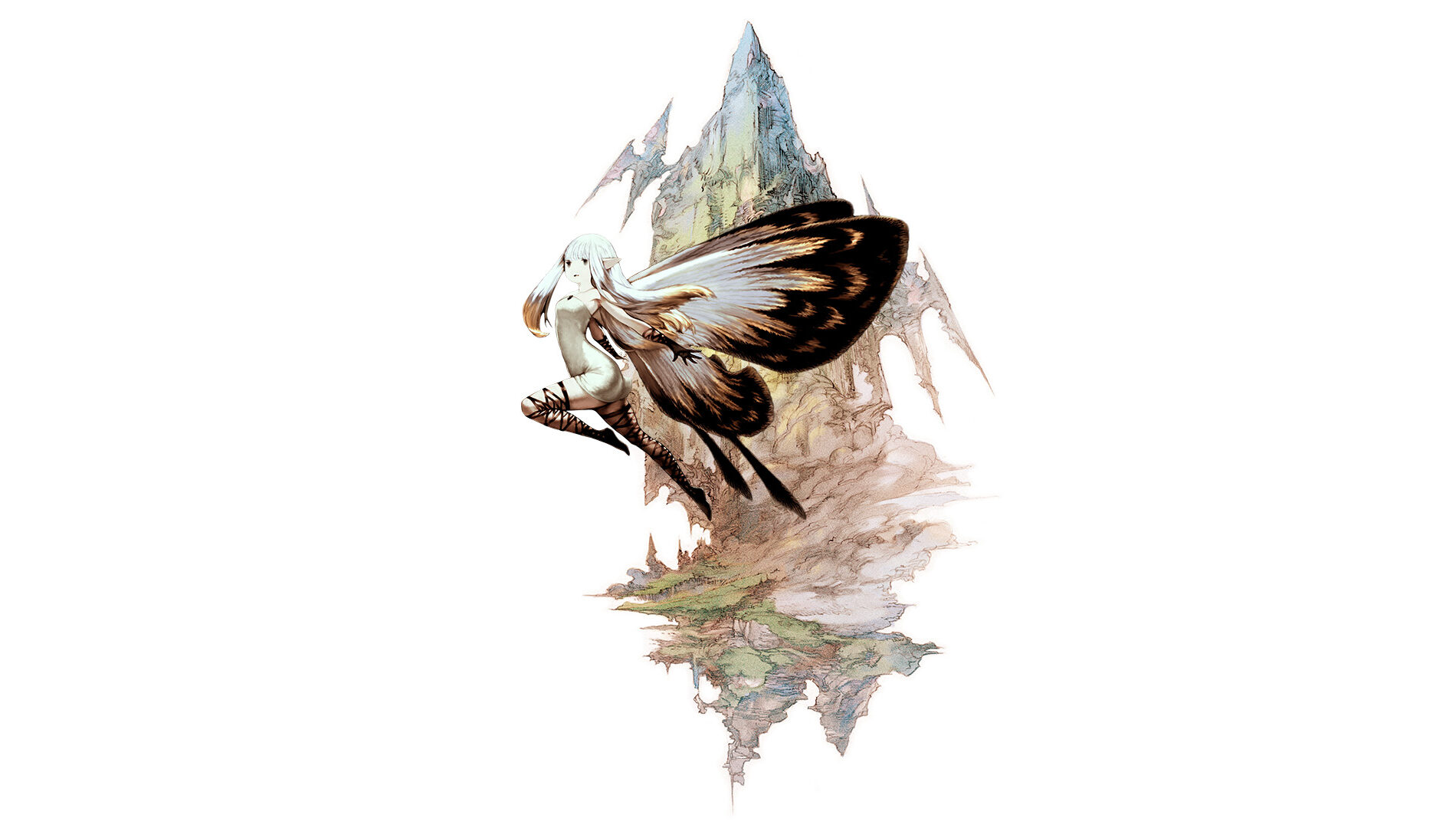
Combat Tips for Bravely Default Flying Fairy HD Remaster, Available Now
Naofumi Matsushita, Producer
Today, Square Enix released one of the most beloved RPGs of the century, Bravely Default Flying Fairy HD Remaster, digitally on Xbox Series X|S and Xbox on PC, with support for Xbox Play Anywhere. The game has also been optimized for play on the ROG Xbox Ally. Players can now experience the epic adventure with upgraded visuals, quality-of-life updates and exciting minigames, now across additional platforms.
Bravely Default, originally released in 2012 for the Nintendo 3DS, is the first RPG in the beloved Bravely franchise, which has sold over 4 million units worldwide.
The game tells a classic fantasy story of crystals and warriors of light, brought to life through memorable characters designed by Akihiko Yoshida and a stunning music by Revo. It’s also famous for its deceptively simple narrative and the iconic Brave & Default battle system. The title marked the beginning of Team Asano, the creators behind the critically acclaimed Octopath Traveler series.
Now, this beloved RPG returns as Bravely Default Flying Fairy HD Remaster, redesigned for modern consoles and available now on Xbox Series X|S and Xbox on PC.
Curious to see what makes this adventure so special? Let’s dive in.
What is Bravely Default Flying Fairy HD Remaster?
If you’re looking for a classic RPG adventure, Bravely Default Flying Fairy HD Remaster is one you won’t want to miss.
The first game in the Bravely series returns with a beautiful HD upgrade, blending the charm of classic JRPGs with modern polish. It features a gripping story, a flexible job system, and the signature Brave & Default battle system that gives turn-based combat a unique strategic twist.
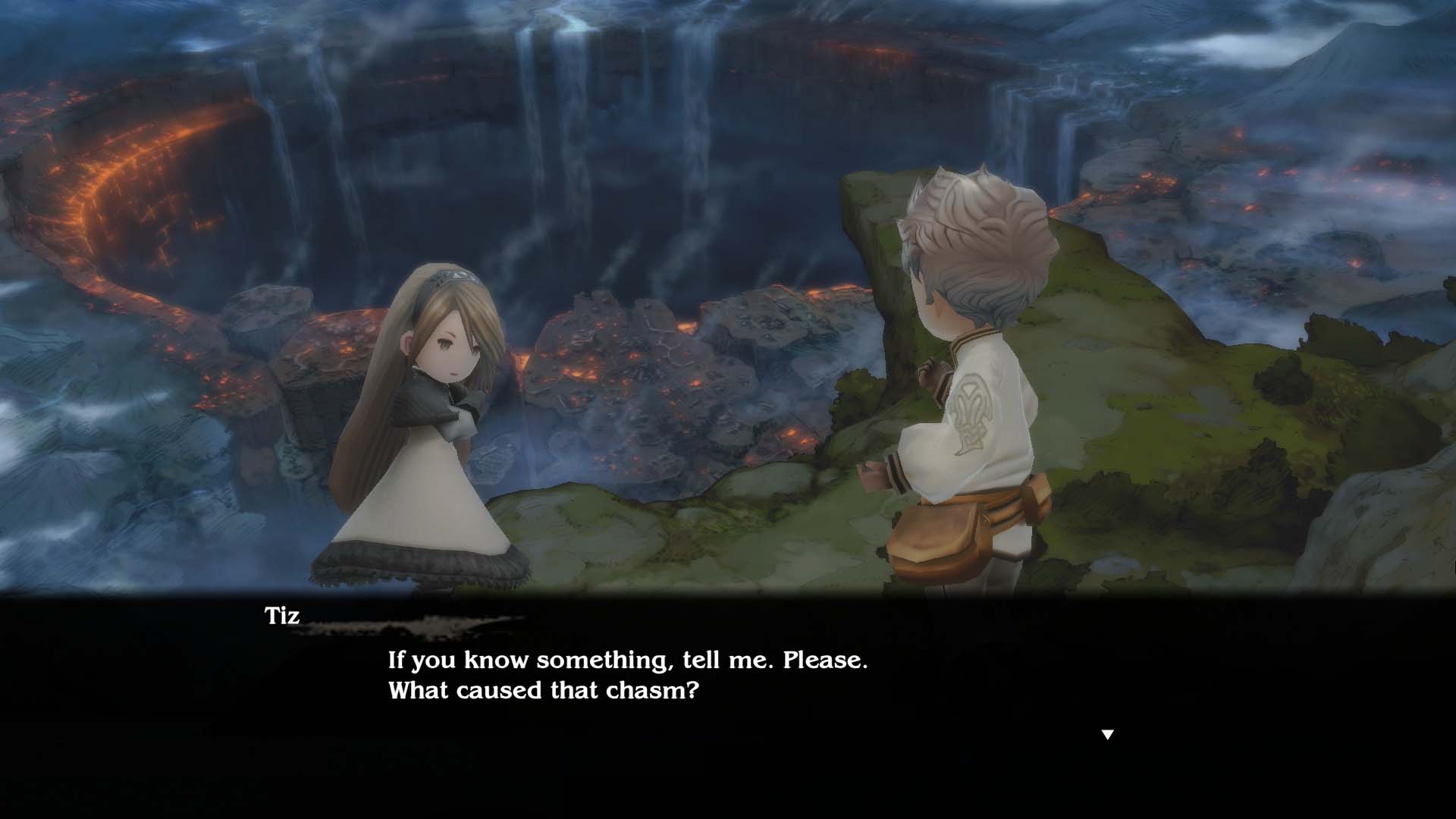
The adventure follows Tiz, Agnès, Edea, and Ringabel, four heroes on a quest to close a catastrophic chasm and free the crystals—only to discover that their mission may not be what it first seems.
You may also notice the full title. While Western players knew the original as Bravely Default, it was released in Japan as Bravely Default Flying Fairy – a name this remaster proudly restores.
Battles
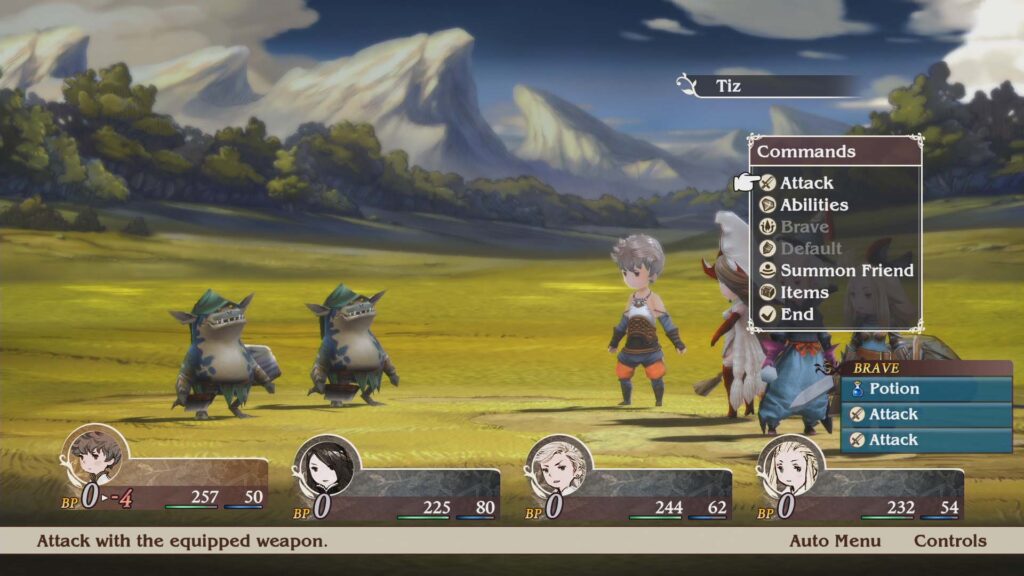
Combat in Bravely Default Flying Fairy HD Remaster is built around a deep and engaging battle system – one so central, it’s in the game’s name.
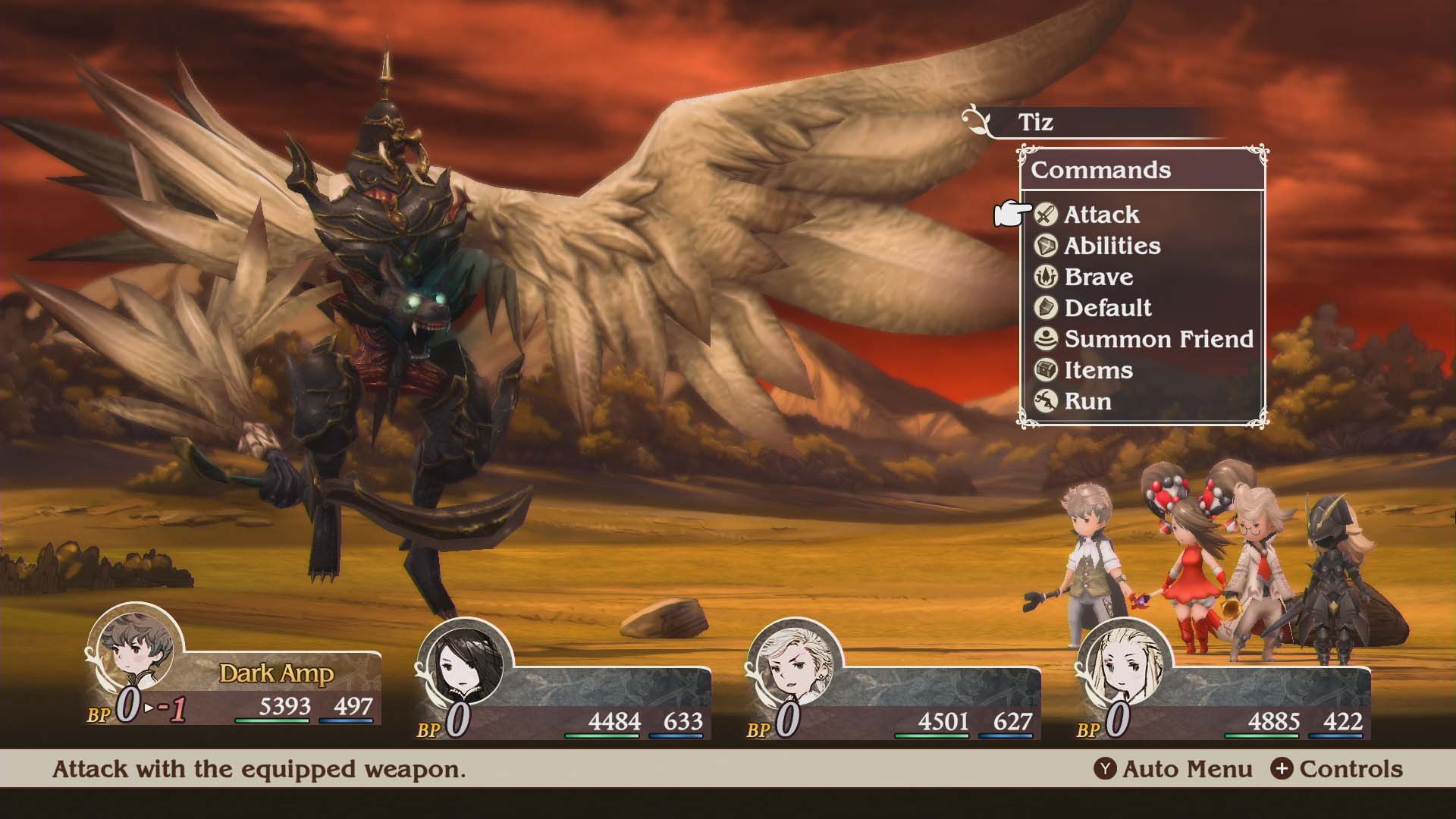
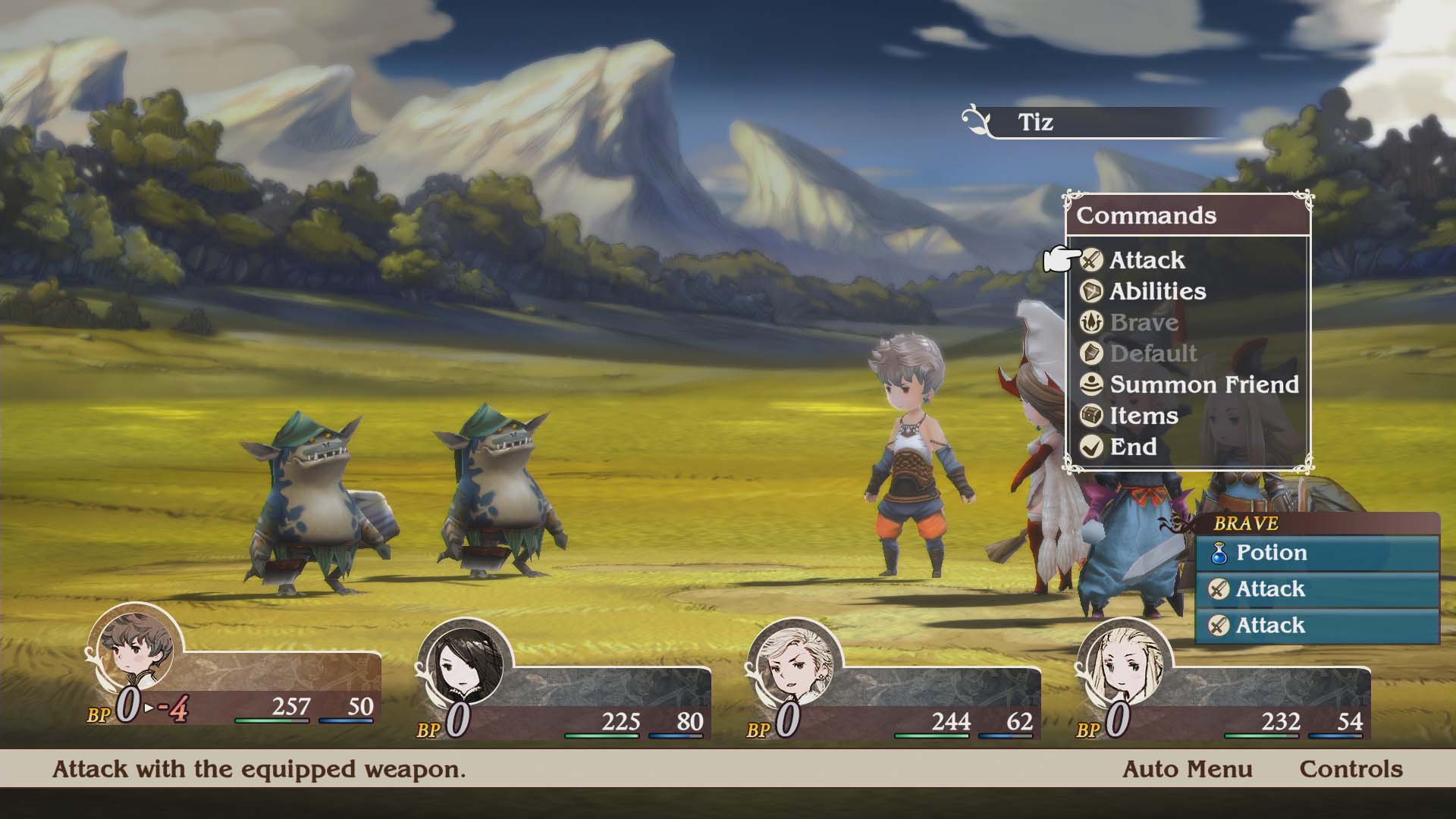
The Brave & Default system revolves around managing Brave Points (BP), which determine how many actions you can take in a turn. Use Brave to spend BP and unleash multiple actions at once, or choose Default to defend and build BP for a bigger move later.
Mastering when to attack aggressively or hold back adds a thrilling layer of strategy to every battle.
Brave
Brave lets you act up to four times in a single turn, opening the door to powerful strategies.
Unleash a flurry of attacks to overwhelm enemies, or chain together abilities like resurrection and healing to turn the tide of battle. You can even spend BP in advance, pushing your total into the negative to act immediately.
But there’s a risk: while your BP is below zero, you won’t be able to act again until it recovers. Timing your bravery wisely is key to victory.
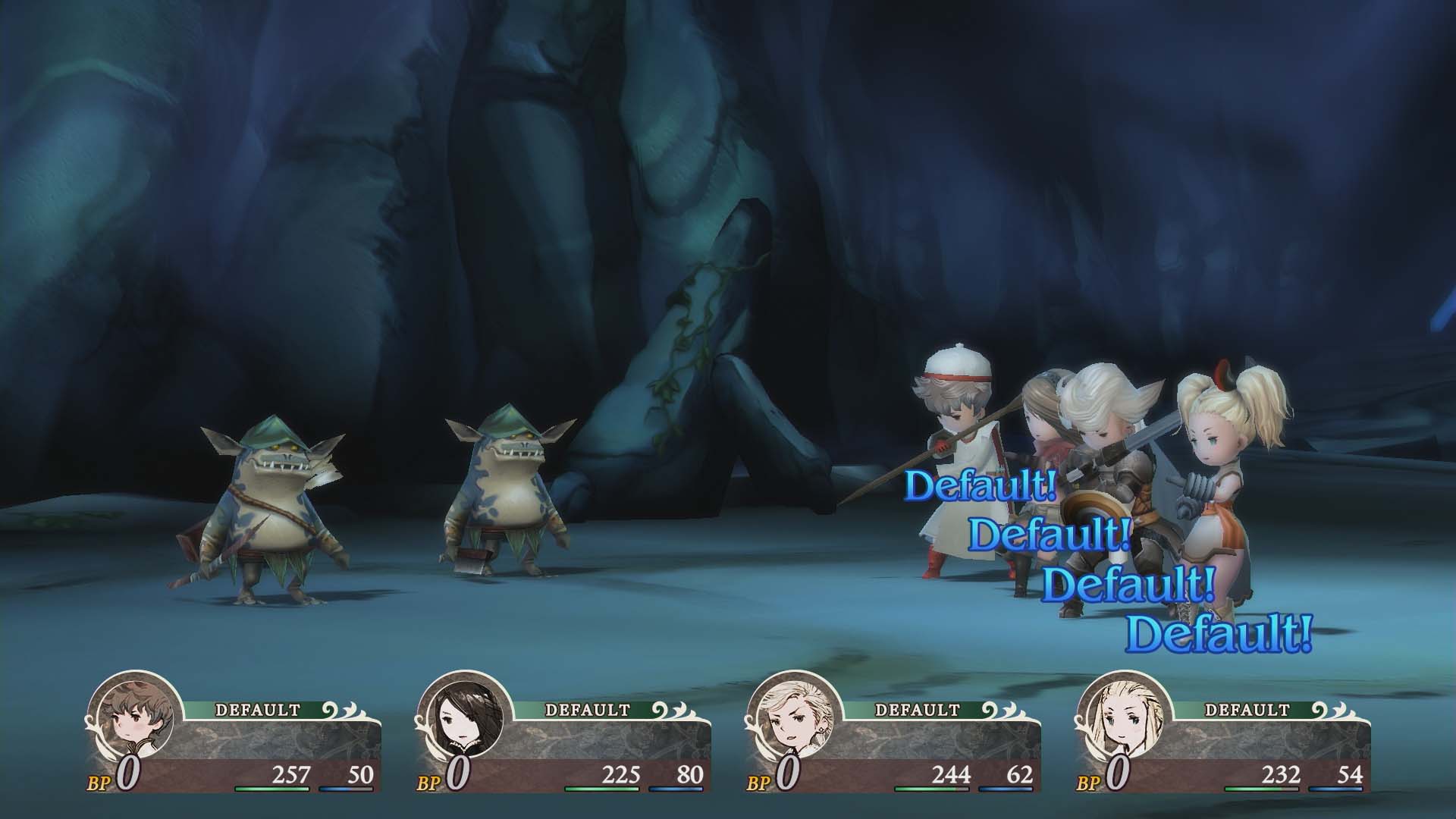
Default
Default allows you to store BP while reducing incoming damage, giving you a defensive option that also prepares you for a stronger turn later.
Taking a moment to Default can also help you observe enemy behavior – especially useful when facing a new enemy or a powerful boss.
Just remember: enemies can Brave and Default, too. If you see them stacking BP with repeated Defaults, be ready – a devastating counterattack may be coming.
Hit enemies where it hurts
Exploiting enemy weaknesses is the fastest way to bring them down. For example, the Eternian Guards you encounter early in the adventure are vulnerable to lightning – so casting a thunder spell can deal massive damage.
But how do you uncover an enemy’s weaknesses in the first place?
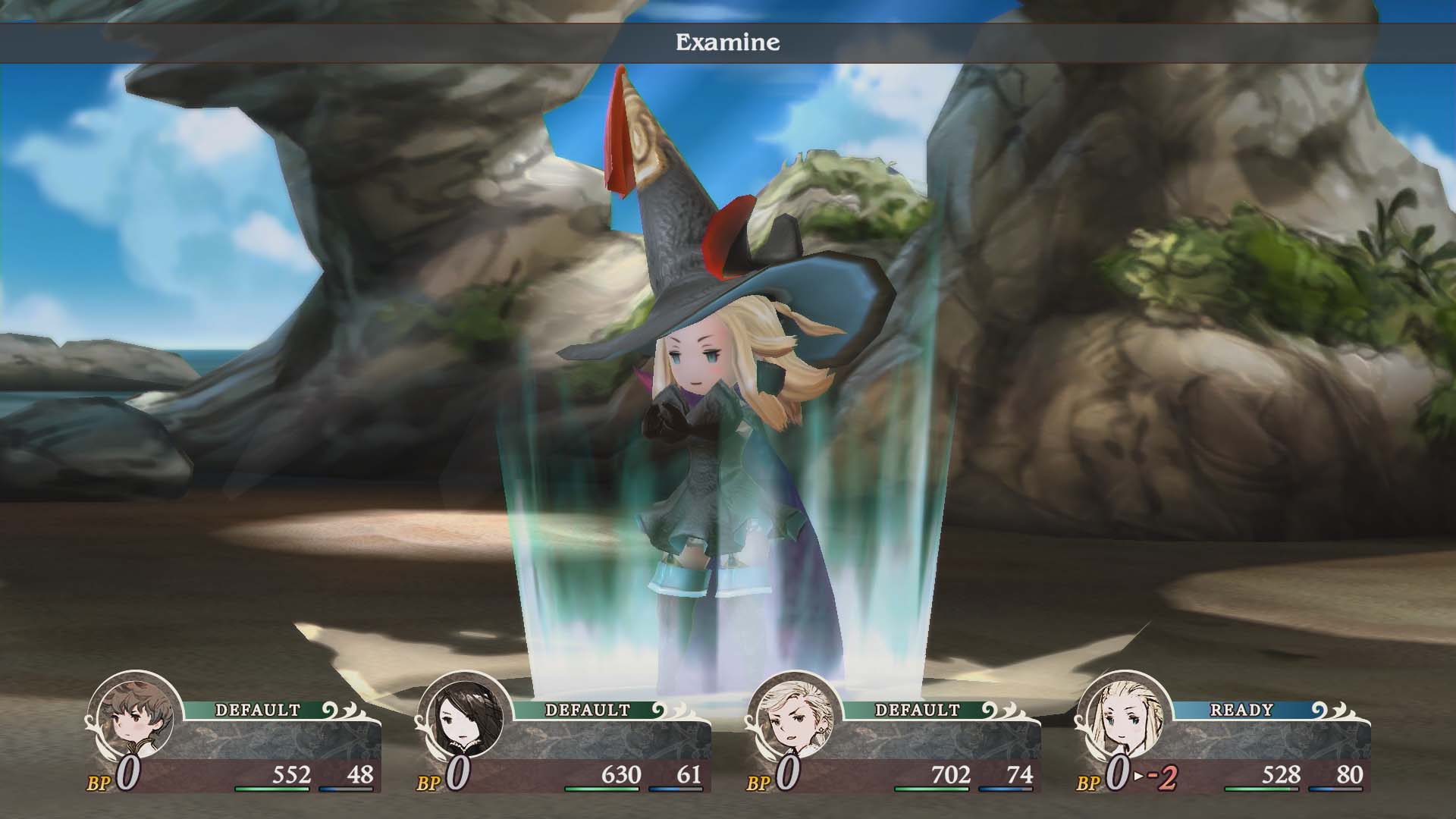
The Examine skill is your best friend!
From the very start of the game, Freelancers have access to the Examine ability. This skill reveals key information about an enemy, including their type, weaknesses, and HP.
It’s incredibly useful when you’re learning the game’s systems, so it’s a good idea to keep at least one character equipped with the Freelancer’s Miscellany Job Command to analyze enemies during battle.
Brave only as much as you need
When you first start playing, it’s tempting to spend as many Brave charges as possible to unleash a huge burst of attacks. More damage is always satisfying, after all.
But overusing BP can leave your party exposed. While your BP is negative, you can’t issue commands—giving enemies the perfect opportunity to strike back.
Often, it’s smarter to use Brave more carefully. Spending just a couple of charges while you learn an enemy’s tactics can keep your party safe and ready to respond.
Store up BP for when you need it
In Bravely Default Flying Fairy HD Remaster, some jobs focus on dealing damage, while others keep your party alive. Roles like the White Mage can make the difference between victory and defeat in tough battles.
That’s why saving BP can be so important. Building a reserve gives you the flexibility to heal, buff, or react when things suddenly turn against you.
For example, using Default during the opening turns of a boss fight can set you up with enough BP to support your party when it matters most.
Take a break from the battles: two varieties of brand-new minigames
Need a breather from adventuring? Bravely Default Flying Fairy HD Remaster introduces two all-new minigames to enjoy between battles:
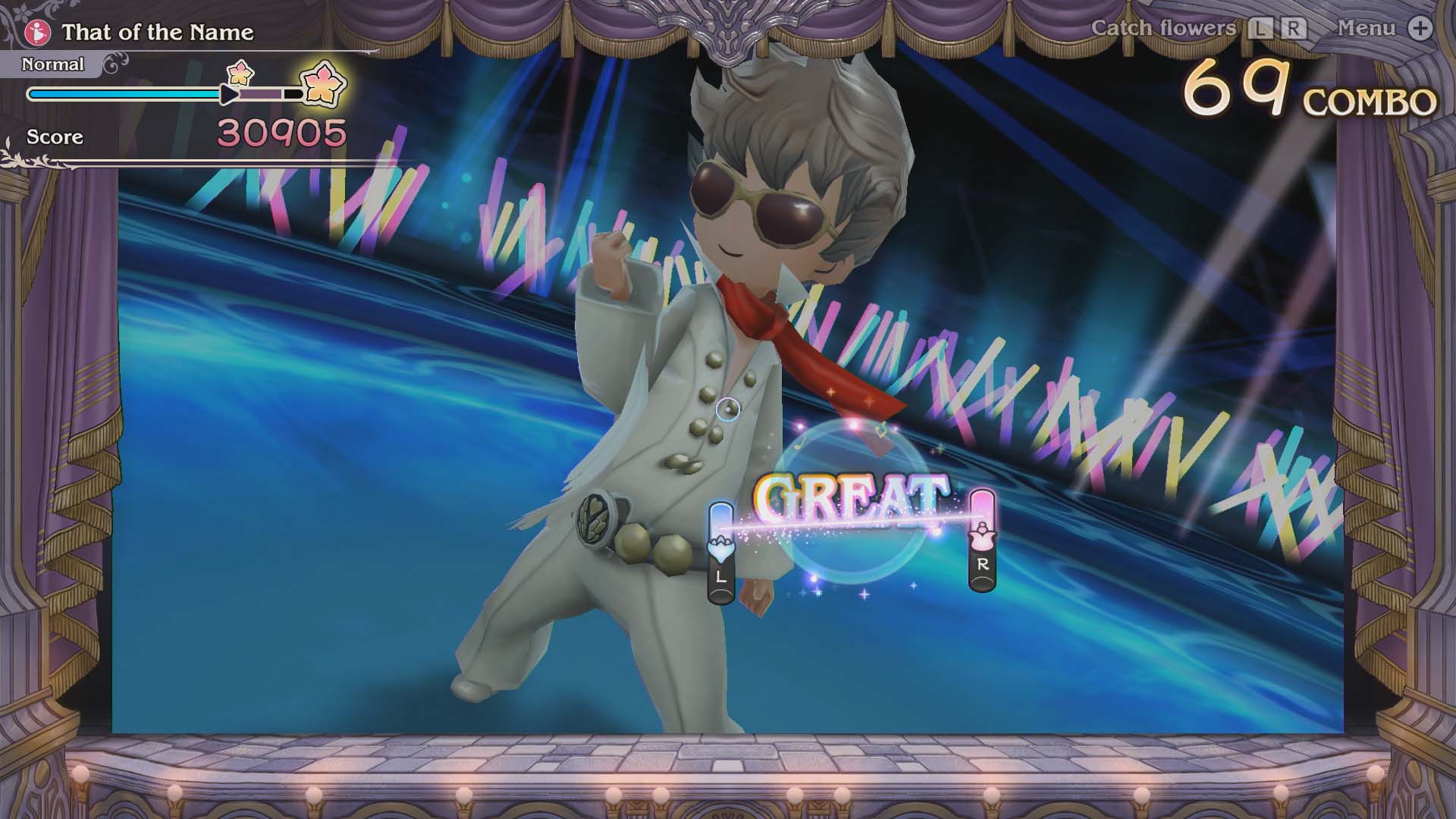
Luxencheer Rhythm Catch…
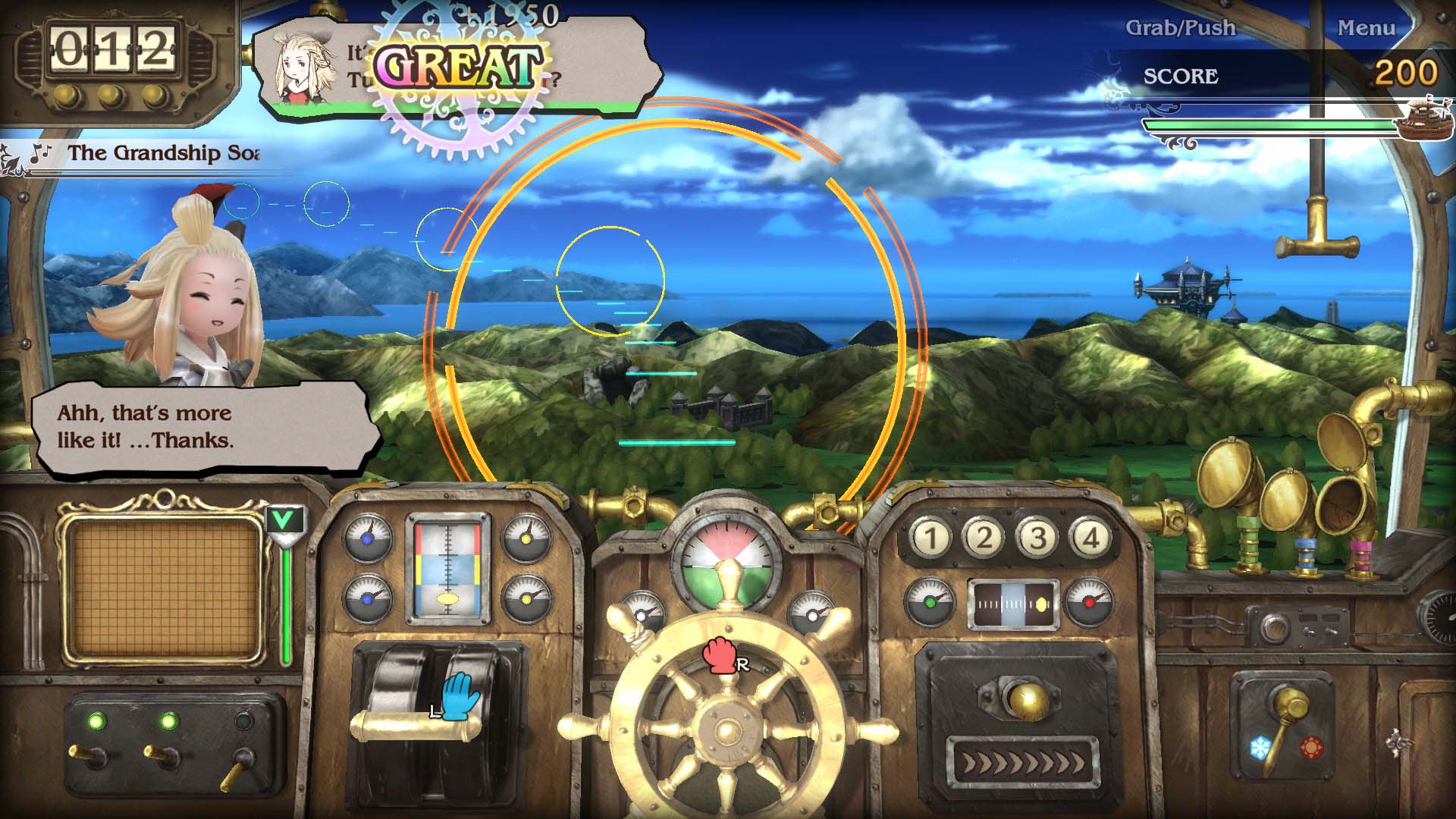
…and Ringabel’s Panic Cruise!
Playing these minigames rewards you with various bonuses, including new entries in D’s Journal that reveal previously unseen details about the story.
These minigames have been fully reimagined for Xbox platforms, featuring brand-new content that wasn’t included in the original 3DS version. Dive in and enjoy these exciting additions with support for mouse, controller and Xbox Ally!
To celebrate the launch, the game is available digitally at a 20% discount on Xbox through March 26, 2026. Players who purchase the game will also receive a digital art book as a permanent bonus.
To all Xbox users—thank you for waiting! I’m truly excited that we’re able to bring to Xbox the game that could be considered the very starting point of the Asano Team.
Please immerse yourself in its warm, storybook-like world and the beautifully crafted music that brings it to life. Become one of the Four Warriors of Light and set off on your journey to Luxendarc. I promise you’ll experience the timeless fun of a classic JRPG, along with well-tuned difficulty options that offer just the right challenge, letting you lose track of time as you play. As for me, I’m looking forward to playing it myself at home on my Series X on release day – and I sincerely hope all of you will begin your adventure with that same excitement!
Outbreak: Shades of Horror Devours XPA with Cross-Platform Multiplayer
Julia Wolbach, Co-Founder & Chief Operating Officer, Dead Drop Studios LLC
Summary
The Spring seasonal event is here.
New Raid and map, unlockable cosmetics and more.
Story Mode with exciting new maps and gameplay systems.
Even the beautiful sight of cherry blossoms and festive masks won’t stop the zombie horde from destroying everything in sight! My name is Julia Wolbach, Co-Founder and Chief Operating Officer of Dead Drop Studios. I’m delighted to introduce you to the Sakura Ridge district just as Outbreak: Shades of Horror joins Xbox Play Anywhere and adds cross-platform multiplayer!
No Place to Hide When the Infected Can Strike AnywhereThe many frights and blights of Cypress Ridge can now be experienced whenever and wherever with Xbox Play Anywhere. Looking for a quick four-player co-op online rush with friends? Hop into Raid Mode online on Xbox Live on your Xbox Series X|S console. Have time at work to make a little progress in the tense Chromatic Split: Enhanced Edition campaign? Craft the items you need to survive on handheld with the ROG Xbox Ally X. Prefer to get creative with artsy shots of a city under siege at your desk? Boot into the robust Photo Mode (usable across the whole game) on Windows PC and snap away. With Xbox Play Anywhere, when you purchase Outbreak: Shades of Horror, you can enter the fray on your preferred platform and pick up exactly where you left off with cross-save support. Need more? Cross-platform multiplayer across all versions of the game is now live!
The Ruined City of Cypress Ridge Expands with New Sakura Ridge AreaAs part of our major Spring update, players can now explore the scenic Sakura Ridge region in a stunning new map. Lay waste to and dismember legions of zombies as they ravage this once serene locale. Protect civilians for as long as you can by fortifying your defenses, building traps, and shooting the skin off of never-ending waves of enemies in Invasion Mode. Reach the evacuation point in a suspenseful Raid Modescenario where the longer you dawdle, the more difficult and powerful your foes become. Can you distract yourself from the gorgeous scenery long enough to avoid becoming a zombie chew toy?
Express Yourself with Unlockable Masks and More!When you load into Cypress Reel, the game’s feature-rich hub world, you’ll see the once-thriving theater has been decorated for the occasion! Take in the added pastel sights while you enjoy the game’s expansive content and modes. By completing special challenges and earning Seasonal Tickets, you can unlock seasonal cosmetics; this season marks the arrival of masks in Outbreak: Shades of Horror, and they can be equipped on any of the characters in your roster as you see fit. Combine them with the hundreds of already existing clothing pieces in the game to serve while you slay. Have you missed previous events? Don’t worry: you can still play previously added seasonal maps like Wordy’s Winter Wonderland and unlock older event rewards!
An Engrossing Adventure with a Heart-Stopping Storyline
On top of upcoming seasonal and game crossover events, we are also hard at work on an ambitious new campaign. Story Mode will arrive in the future featuring sprawling maps with multiple paths, exits, and secrets, a gripping and emotional narrative, and even entirely new gameplay systems that we’ll reveal as we approach release. Existing owners of Outbreak: Shades of Horror will receive Story Mode as a free update when it’s available. Stay tuned for more details!
Until next time, may the gentle Spring air relax you…at least before you’re faced with a whole manner of nasty zombie brutes ready to tear you asunder! Happy surviving!
Outbreak: Shades of Horror supports cross-platform online 4-player cooperative play.
BEWARE! Retro survival horror lives!
Outbreak: Shades of Horror is inspired by retro survival horror from the ’90s and ’00s! The title blends bleeding edge tech and modern gameplay mechanics with archaic concepts from the roots of survival horror, like a restricted inventory, heavy resource management, and crushing difficulty. If you’re an old hat, or a lover of the past, you’ll find a lot to love in the janky but crushing experience. If that’s not your jam, proceed with caution as this nightmare is unforgiving!
Welcome to Cypress Ridge!
Experience the harrowing beginning of a full-scale Zombie Apocalypse as it descends on the Midwestern city of Cypress Ridge. Start from the (relative) safety of the beloved local movie theater, Cypress Reel. Choose between a central cast of 9 characters, with loads more on the way, and then venture out into a city fundamentally changed with the goal to survive and outlast the mysterious horrors that have suddenly arisen?
Do You Want To Play a Game? Or maybe some shopping?
Between rounds of running and gunning, there is plenty to do at Cypress Reel. Shop ‘til you drop at Ferret’s Emporium, where you can earn new guns, weapon skins, and millions of different combos of clothing to customize your character just the way you like. If you are in the mood for a different kind of game, Cypress Reel Arcade has a vast array of small-scale mini modes to cleanse your palette before you go back to chasing zombie flesh. Can you survive the Boss Rush gauntlet? Will you be able to skip a creepy rural town in Looming Dread? Test your reflexes as you escape a flooding subway tunnel in Collapse! While short and sweet, these mini-games will put your skills through drills! Plus – with adjustable difficulties, there’s always new challenges to face.
Past Meets Present
Players will also have access to Outbreak: Shades of Horror Chromatic Split, the original prologue to Shades of Horror, and an all new side story, Trials of Hank.
Shades of Horror: Chromatic Split Enhanced Edition: Enjoy the classic, three act prequel to the main game, now enhanced with new weapons, items, and mechanics. Can Lydia get essential information from her contact in the Cypress Ridge underground before it’s too late?
Trials of Hank: While Lydia is traversing the underground in Chromatic Split, fan-favorite Hank hits the rooftops in this over-the-top side campaign where the answers to all of life’s problems are lead, explosions, and more lead! Will Hank complete his mission, or will the monsters that haunt the Cypress Ridge skyline be too much for him to handle?
Challenges and Events: Seasonal and game-crossover events begin immediately with a Halloween celebration and DINOBREAK-themed content and cosmetics. Players can enjoy fun decorations in the theater, thrilling seasonal maps, special challenges to complete, and unique rewards to earn. In addition, test your mettle with Daily, Weekly, Monthly, Crossover and Seasonal challenges.
Screenbound: Getting Our Heads Around the Brain-Breaking “5D” Platformer
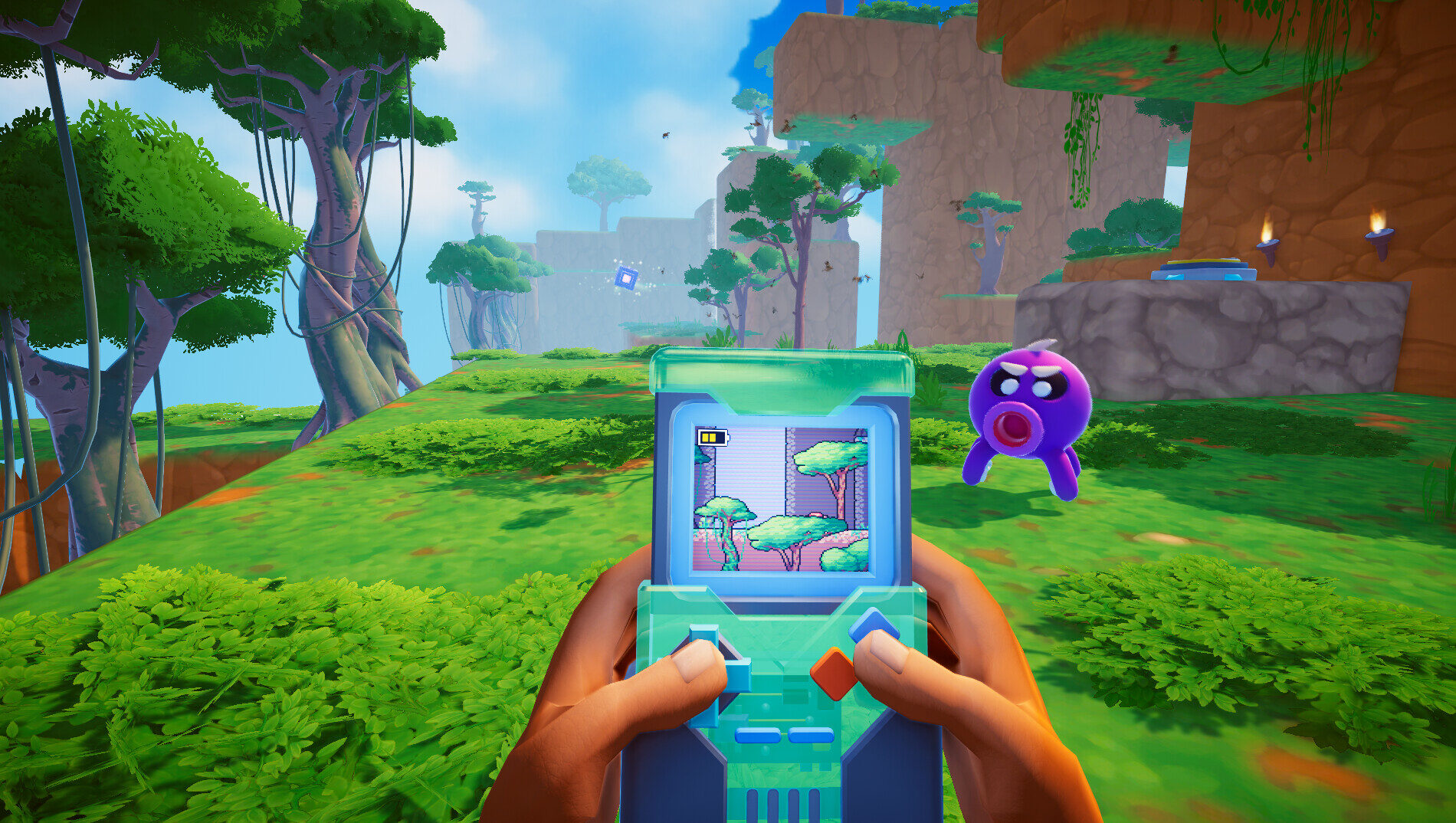
2D platformer or 3D platformer? Many will have a definitive preference to that decades-old question – but Screenbound dares to ask: why not both?
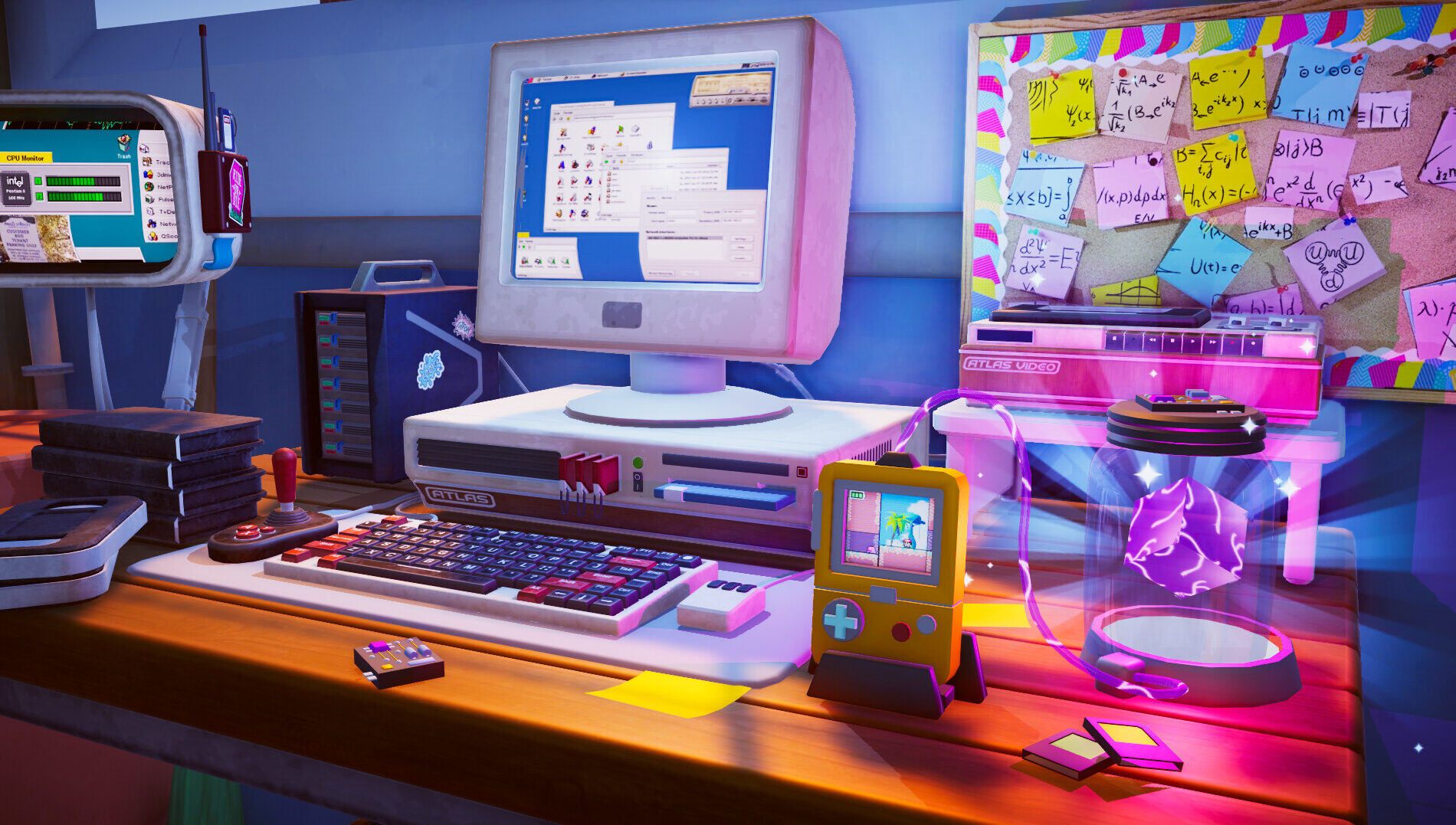
It’s a simple enough pitch, but playing the game’s GDC demo shows you how complex a challenge this will have been for developer Cresent Moon Games. Screenbound begins when your character discovers a mysterious device known as the “Qboy”. Seemingly left behind by their mom, it’s affixed with a post-it note reading “Find Me”. Turning it on, they’re transported to an archetypal game world; floating islands, chiptune soundtrack, coins to collect – the works.
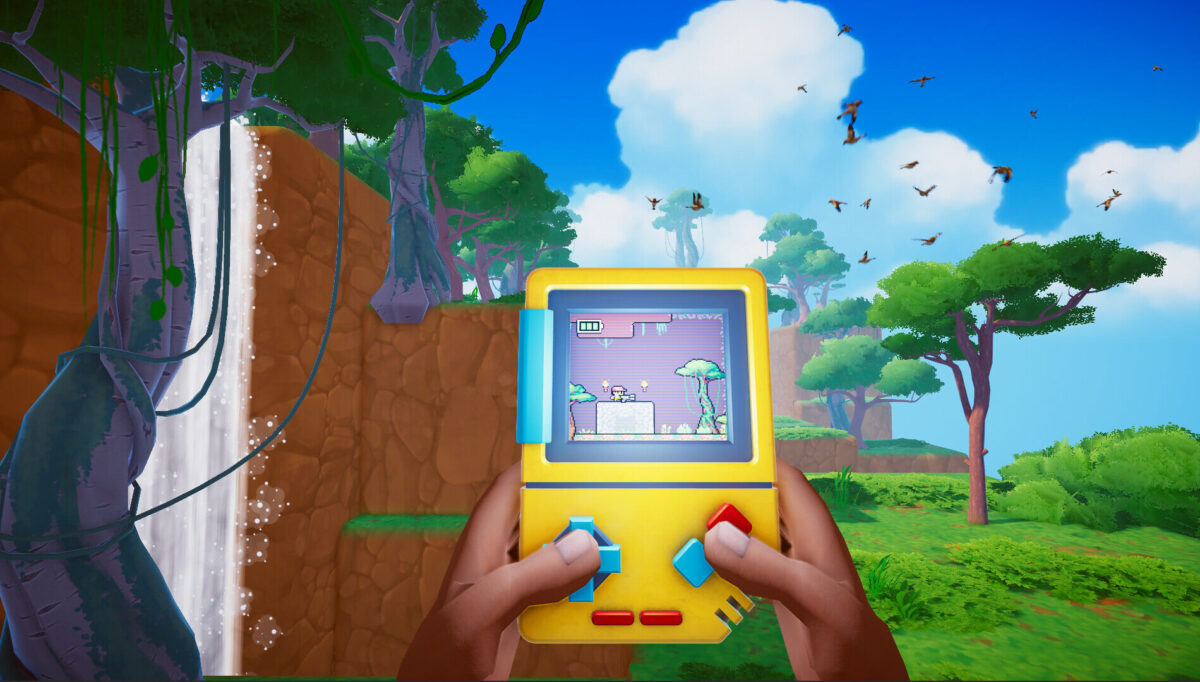
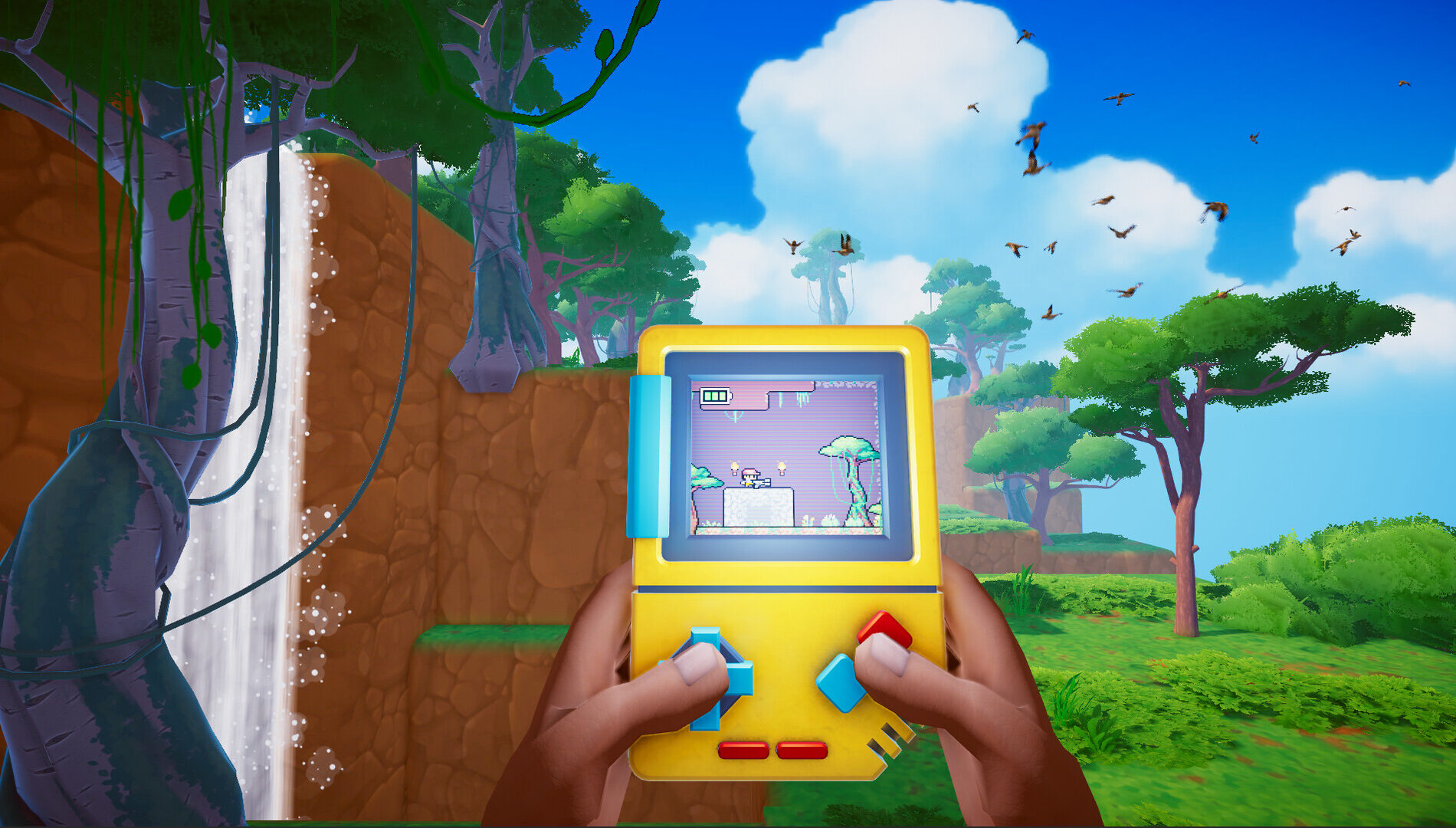
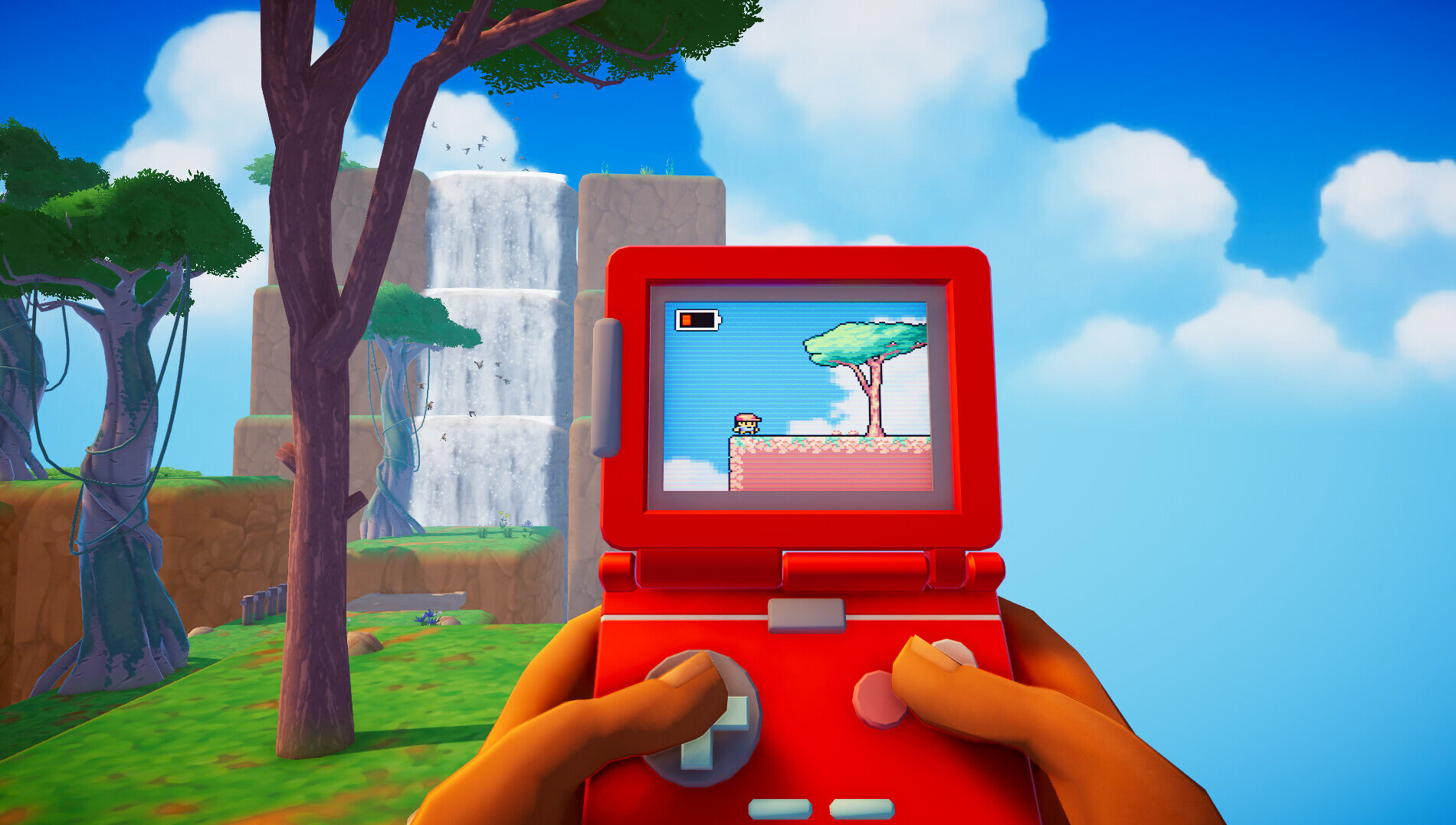
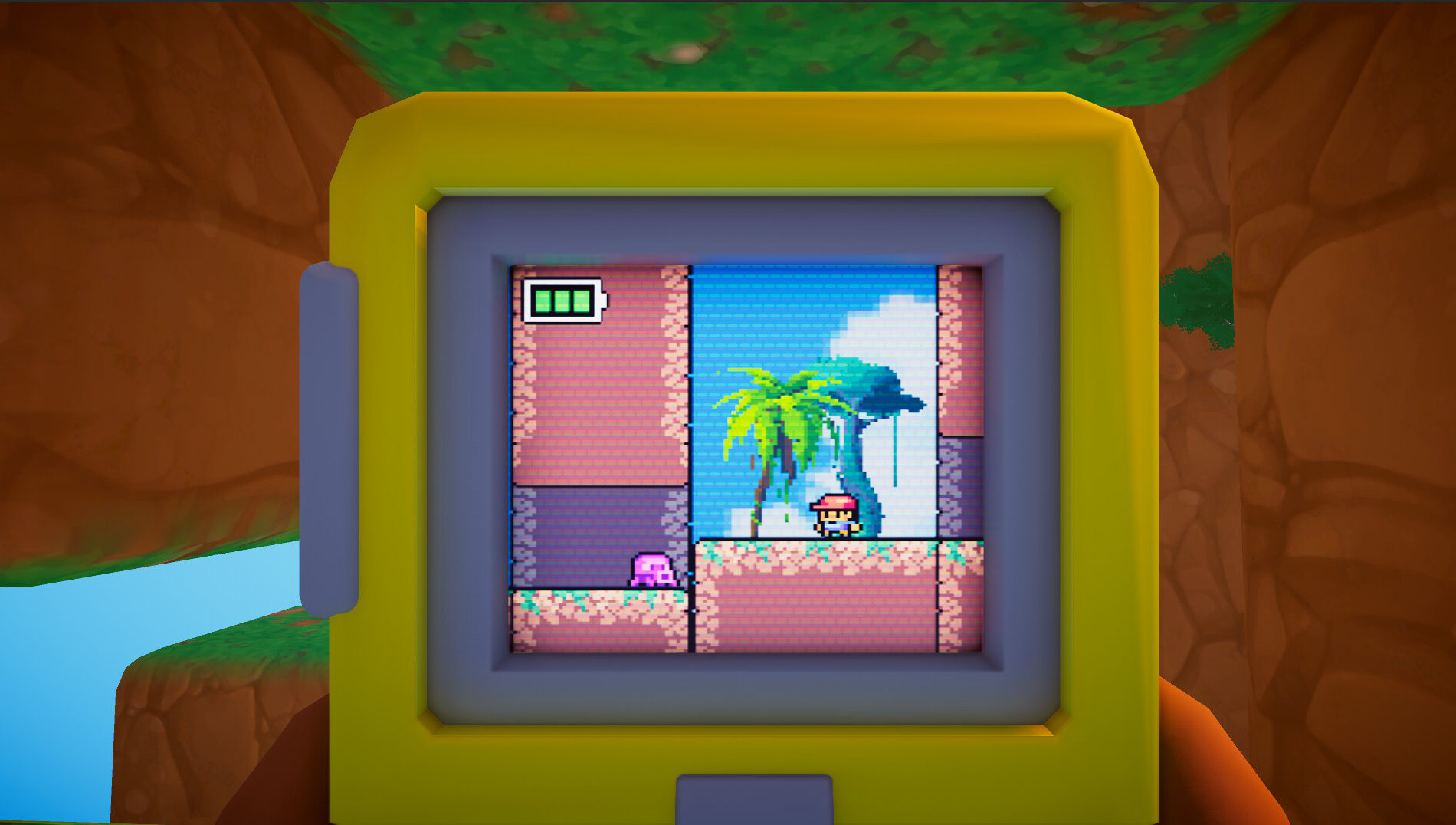
Except, as the player, you navigate this world in both 2D and 3D simultaneously. From a first-person perspective, you’ll see the full 3D world arrayed around you, but you’re always holding the Qboy at the bottom of the screen, showing the same level as if it was a retro 2D platformer (well, 2.5D if we’re being picky).
As the demo begins, you quickly get a handle on things – making your way around a colourful 3D world, avoiding obstacles, platforming, battling enemies and exploring, all while seeing the secrets and storytelling this world has to offer.
You’ll never be lost though, as your 2D view gives you the clearest sense of your objective, and key collectibles or pathways that might not be visible from your current 3D viewpoint become far clearer in a flattened-down world.
Where it starts to get really tricky is when you need to start using both in tandem. Some items might only be visible in the 2D version of the world, while some obstacles might only be visible in 3D (or vice versa) – you’re going to quickly need to start flicking your eyes, and your attention, between both as often as you can. For some puzzles, you’ll need to use both perspectives – you might find yourself blocked from progressing in the 3D world, only for the solution to be in 2D. This is made more engaging by using your trusty Qboy to help merge both worlds in a “Q-view” mode, showing the secrets of the 2D world in 3D to help you solve challenges.
Sometimes the game takes you entirely into 2D. Behind doors and inside consoles, you’ll find platforming sections that can net you extra coins, and unlock the way forward in the 3D world, while also hiding some of the Qube collectibles you need to unlock bonus levels. There are even secret exits that can lead you to entirely new parts of the level.
Within just the first world of the game, new weapons, block types, enemies and more are introduced to one or both of your viewpoints, asking you to learn new rules on the fly.
Even in these earliest stages of the game, the possibilities for how far Cresent Moon Games could take this are dizzying – not least because a trailer after the demo concludes teases that this is just “Cartridge 1”. As we unlock new cartridges, it seems Screenbound itself will begin to morph into different styles – adding new ways to play while paying homage to the 2D titles that inspired it.
Combining perspectives is one thing – and there’s more than enough in here already to imagine a game’s worth of mind-melting puzzle-platforming – but combining entire genres on top of that might make Screenbound even more impressive.
Invincible VS: Allen the Alien Joins the Roster as Open Beta Dates are Confirmed
Mike Willette, Executive Producer, Invincible VS
Summary
Allen the Alien, the superpowered Unopan, is joining the Invincible VS roster.
Skybound’s in-house studio, Quarter Up, revealed Invincible VS’s Open Beta will begin on April 9, exclusively on consoles, with 10 playable characters.
Invincible VS is a new 3v3 tag fighting game based on the beloved comic book and TV series, coming to Xbox Series X|S, Xbox on PC, and Xbox Cloud as an Xbox Play Anywhere title on April 30, 2026.
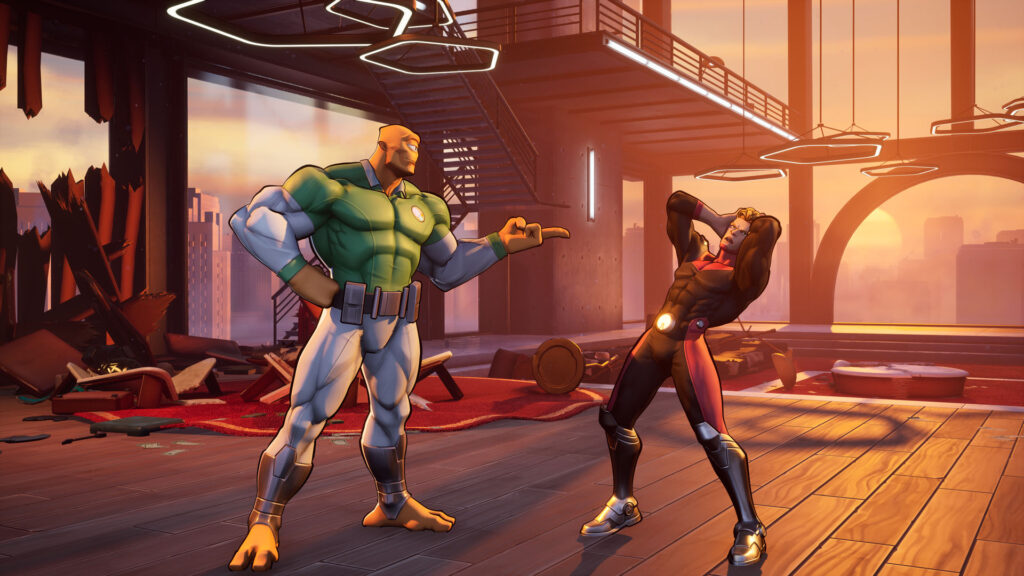
Invincible fans: it’s a big day. We’ve got another fan-favorite character joining the roster for our upcoming 3v3 tag fighting game, Invincible VS, and this one is out of this world – literally. Adding to our stacked lineup of characters like Mark Grayson (Invincible), Rex Splode, Omni-Man, Ella Mental and more, comes everyone’s favorite intergalactic, one-eyed hero, Allen the Alien!
We know fans have been eagerly awaiting confirmation that Allen is coming to Invincible VS, and we’re so excited to finally make it official with a uniquely animated trailer to accompany the news. But once you check that out, you’ll find that’s not all we have for you…
In addition to our Allen the Alien reveal, we’re excited to announce that our Open Beta is coming to Xbox Series X|S on April 9! The Open Beta invites players to jump in, throw down and find their early favorite fighter, as we’ll have 10 characters from our roster to choose from: Mark Grayson (Invincible), Atom Eve, Bulletproof, Thula, Rex Splode, Battle Beast, Omni Man, Robot, Monster Girl and of course, Allen the Alien. Now, more about him…
Born in a Unopan breeding facility, Allen the Alien was the sole success in a mission to create a warrior strong enough to face the all-powerful Viltrumite race. Despite the weight of his origins, Allen is quite the jokester, cracking quippy one-liners in between punches. Through his service to the Coalition of Planets, he has proven himself one of Invincible’s greatest allies in the fight against the Empire. And even when enemies think Allen is near death, he always seems to come back stronger.
In Invincible VS, Allen is an immensely powerful “Striker” fighter, using his mobility, superhuman strength and grappling ability to downright beat up anyone who stands in his way. He keeps opponents on their heels with his incredible Unopan strength, and excels in mix-up scenarios where he can bait fighters and hit them with his armored stance. Allen’s high-octane gameplay style can be tricky to master, but doing so will result in flashy, creative combos that leave any and all challengers in his wake.
Like you, we’re all big fans of Allen here at Quarter Up. He’s undeniably funny, but at the same time, he is a serious threat to his foes, and that is 100% evident in our game.
“Allen is an important piece of the Invinciblepuzzle and he’s going to be having a huge spring betweenseason four of the animated series and Invincible VS,” said Robert Kirkman, co-creator of Invincible. “He’s got the jokes, but he backs up his sharp wit with even sharper hits and leaves opponents looking like the punchline. We’re really excited to see what players can do with him in our Open Beta soon.”
We hope you’re gearing up to throw down as Allen and plenty others from the Invincible VS roster as we approach our Open Beta very soon. Let’s see what you got!
Players can head to the Xbox Store on April 9 to jump into the Invincible VS Open Beta on Xbox Series X|S.
Invincible VSlaunches on April 30, 2026 on Xbox Series X|S, Xbox on PC, and Xbox Cloud as an Xbox Play Anywhere title, and is available for pre-order now at invinciblevs.com/#preorder.
Pre-order now to get the following digital content:
– Zero-Suit Mark Skin
– Year 1 Character Pass
– Profile Card Cosmetics
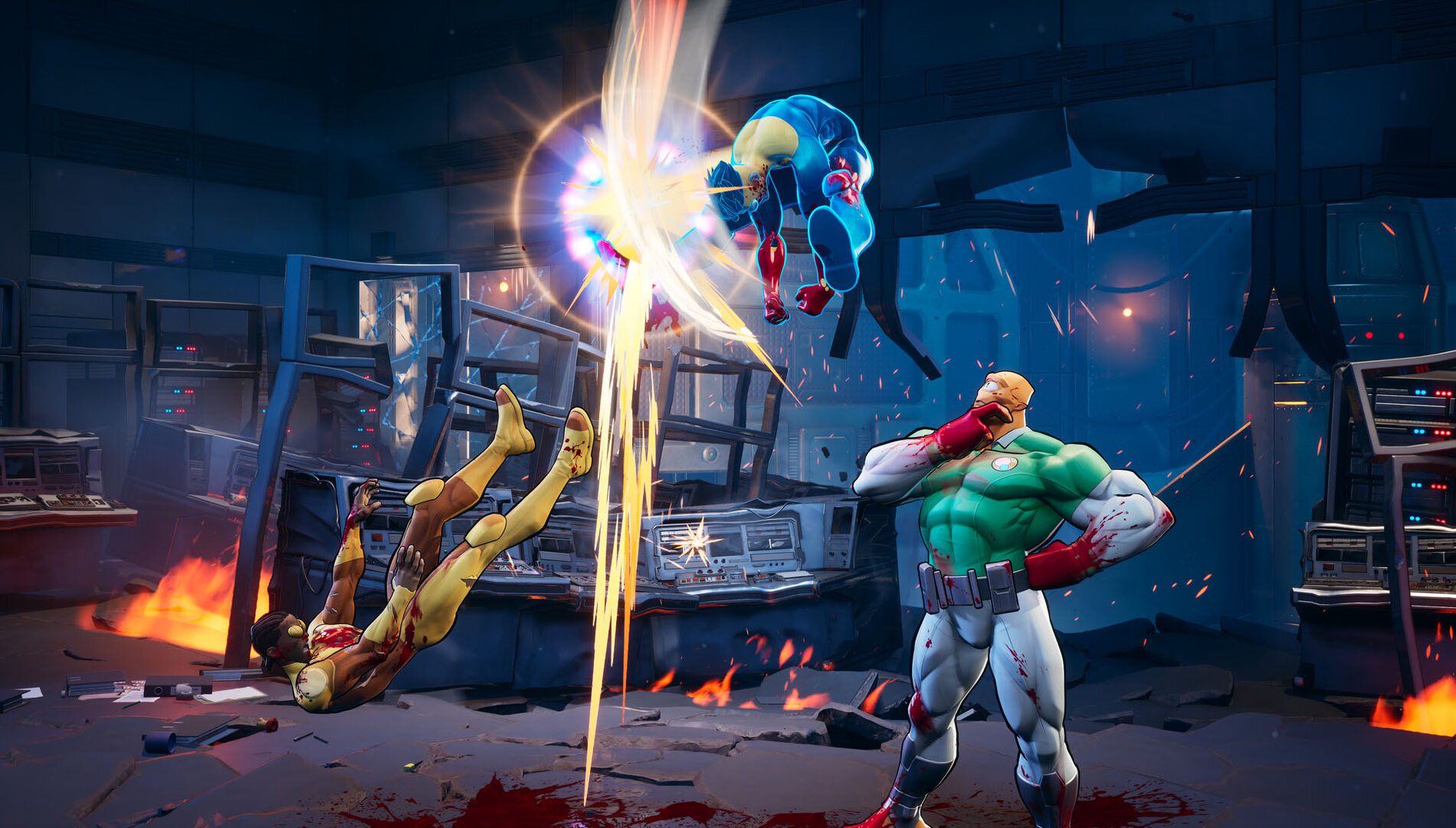
Invincible VS is a brutal superhero 3v3 tag fighting game set in the Invincible universe, where you can battle to the death as a team of fan-favorite characters in iconic locations. Unleash bone-breaking combos through fast combat and smart defensive tactics to leave a trail of blood and destruction. Land vicious Super moves and Ultimates to leave your opponents in a mess of blood.
Invincible VS features a variety of game modes including a captivating cinematic story mode with an original narrative from a writer of the animated series. Jump into Arcade and battle with your team, hone your combos in Training mode, and test your skills against the world in competitive and casual multiplayer. Show, comic fans, and fighting game lovers will experience unparalleled heroic brutality, where every earth-shattering blow will leave you feeling… Invincible.
This is the debut title from the newly formed Quarter Up—the first in-house studio at Skybound—led by former members of the core Killer Instinct (2013) dev team.
Pre-order now to get the following digital content:
– Zero-Suit Mark Skin
Invincible VS is a brutal superhero 3v3 tag fighting game set in the Invincible universe, where you can battle to the death as a team of fan-favorite characters in iconic locations. Unleash bone-breaking combos through fast combat and smart defensive tactics to leave a trail of blood and destruction. Land vicious Super moves and Ultimates to leave your opponents in a mess of blood.
Invincible VS features a variety of game modes including a captivating cinematic story mode with an original narrative from a writer of the animated series. Jump into Arcade and battle with your team, hone your combos in Training mode, and test your skills against the world in competitive and casual multiplayer. Show, comic fans, and fighting game lovers will experience unparalleled heroic brutality, where every earth-shattering blow will leave you feeling… Invincible.
This is the debut title from the newly formed Quarter Up—the first in-house studio at Skybound—led by former members of the core Killer Instinct (2013) dev team.








 26 – Digital Deluxe Edition