Hey, everybody! Tim and I are back this week to talk about the games they are playing, a busy news week, and some big contenders that are releasing soon. This week also features an interview with Darren Bridges, Lead Designer, Sucker Punch, for Ghost of Yōtei Legends.
Stuff We Talked About
Next week’s release highlights:
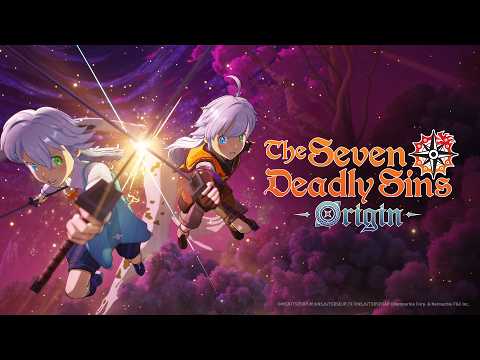
The Seven Deadly Sins: Origin | PS5
MLB The Show 26 | PS5
Crimson Desert | PS5
Death Stranding 2 | PC
Big Walk hands-on report blog — Explore a puzzle-filled open world in this upcoming multiplayer game, where any moment with friends becomes an adventure. Experience the chaos and cooperation as you journey together.
Helldivers 2 new Warbond — Suit up for the Entrenched Division Premium Warbond, arriving March 17 and featuring new weapons, armors, emotes, and rewards to enhance your missions.
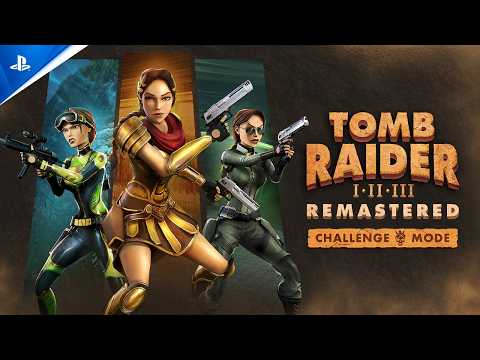
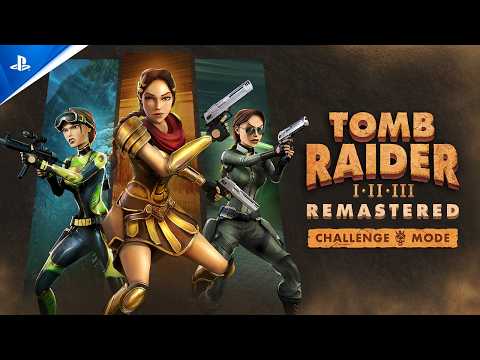
Tomb Raider I-III Remastered New Challenge Mode — Dive into a free update today introducing Challenge Mode, a variety of new outfits, and a collection of fresh Trophies to earn as you explore iconic adventures anew.
Little Nightmares: Altered Echoes coming to PS VR2 — Step into a new dimension in the Little Nightmares universe on April 24. Connect the story between Little Nightmares 1 and 2 as you uncover secrets in a haunting VR adventure.
Seven Deadly Sins deep dive — Discover how haptic feedback and PS5 features elevate the anime-inspired world of Britannia when you enter on March 16, bringing the vibrant story and action to life.
MLB The Show 26 Early Access — Digital Deluxe Edition players can take the mound early, ahead of the March 17 launch. Enjoy the World Baseball Classic and new Diamond Dynasty updates before the rest.
Thanks to Dormilón for our rad theme song and show music.
[Editor’s note: PSN game release dates are subject to change without notice. Game details are gathered from press releases from their individual publishers and/or ESRB rating descriptions.]
The anime-inspired open-world RPG The Seven Deadly Sins: Origin launches March 16 on PlayStation 5. Ahead of release, we’ve unveiled a brand-new Immersion Trailer that highlights how the game leverages PS5 features to deliver a deeply tactile and responsive experience.
This latest trailer goes beyond simply showcasing the world. By actively utilizing the unique capabilities of PlayStation 5, the game is designed so players don’t just see Britannia. They feel it, react to it, and move within it. Freely explore the vast, faithfully recreated world of Britannia, and experience a heightened sense of realism through nuanced haptic feedback and precise control that makes you feel as though you’ve stepped directly into the anime itself.
Every action comes alive at your fingertips
The Seven Deadly Sins: Origin features finely tuned haptic feedback through the DualSense wireless controller, physically conveying the tension of battle and the weight of every strike.
Dynamic combat responses
Distinct vibration patterns are applied to key combat actions, including character switching, combination jump attacks, and powerful ultimate abilities. The impact of strikes, explosive skill effects, and the urgency of taking damage are each expressed through unique rhythms that bring the battlefield’s momentum to life in your hands.
Weapon-specific tactile differentiation
Vibration intensity and patterns vary according to weapon concepts and skill visuals. Beyond visual differences, players can physically sense shifts in combat style, adding a new layer of immersion to every encounter.
Controls you can truly feel
The DualSense adaptive triggers enhance both exploration and combat with intuitive, situational resistance. Pressing a button becomes part of the experience itself.
Fishing activities
When a fish bites, trigger resistance changes instantly. The increasing tension heightens excitement and clearly distinguishes success from failure through tactile feedback.
Charged attack skills
Certain adventure skills build power based on trigger pressure. Gradually increasing resistance creates the sensation of energy gathering before release, amplifying the satisfaction of unleashing powerful abilities.
Mounted weapon operation
When controlling cannons or ballistae, players feel heavy trigger resistance that conveys the force of large-scale weaponry. The moment of release delivers a strong, satisfying recoil that reinforces the impact of each shot.
Step into the anime world
The Seven Deadly Sins: Origin is more than an adaptation. It is designed to let players step directly into the anime universe.
Built in Unreal Engine 5, the seamless open world stretches uninterrupted from the royal capital of Liones to sweeping plains and ancient ruins. Lighting shifts, dynamic weather, environmental depth, and dense combat effects are all elevated by the power of PS5 hardware.
Players are no longer just watching the anime unfold — they are moving within it, making choices, and forging their own path through Britannia.
Strategic depth that elevates combat
Players assemble a team of four heroes and can switch between them in real time during battle to adapt to changing situations.
Skills and combination abilities evolve based on hero and weapon pairings
Three weapon selection paths shape distinct combat styles
A tactical structure that rewards sharp decision-making
Combined with the DualSense feedback system, combat goes beyond action alone — delivering a tactical experience where sensation and strategy operate simultaneously.
Deep solo play, even more intense together
The Seven Deadly Sins: Origin naturally bridges immersive single-player progression with strategic cooperative play.
Seamless co-op storytelling
Main and side quests can be completed in a party. Players can join based on the party leader’s progression, enabling cooperative adventures without friction.
Co-op focused dungeon challenges
Multiplayer dungeons feature elemental mechanics that require coordination between players with different abilities. Smart role distribution and strategic responses determine success or failure.
Explore the world at your own pace — and when greater challenges arise, join forces with allies to overcome them together.
The Seven Deadly Sins: Origin launches March 16 on PS5
Wishlist now on PlayStation Store and prepare to journey across Britannia. The legend begins not just on your screen — but at your fingertips.
The newest game in the Little Nightmares franchise, Altered Echoes, has just been announced. Soon, you’ll be able to enter the Nowhere in first person and touch the Transmission with your own two hands.
Deep within this errant signal, you’ll play as Dark Six as you search for a way to reunite with Six and become whole once more. Let’s explore how this dangerous journey connects with both Little Nightmares 1 and 2 and catch up with some familiar faces.
The Transmission
A dimension of sight and sound where even the strange rules of the Nowhere are twisted and warped. Gravity is optional and the rules of reality are melting into an endless loop of identical staircases and doors.
But somewhere a familiar song is beckoning, leading you through these recursive passages and puzzles as you dodge dangerous traps and even more dangerous Residents. It should come as no surprise that the Thin Man stalks these unending halls, at one with the static and the noise. If he catches you, not even a remnant will remain.
The Music Box
At the heart of Dark Six’s experience of the Transmission is the inescapable Music Box. It guides Dark Six and pushes away the writhing shadows that hunt her. Even so, under the malignant influence of the Transmission, its simple melody seems to exert an uncanny power over Six that you must try to untangle. Here within the signal, the music box’s song is both the path and the unknown destination.
Follow its song. To do otherwise is to lose yourself to the noise.
The School
The music leads you through your past, through the School where Six was captured by Bullies. Here in the Transmission, the Bullies are gone, and only the Teacher remains.
In this childless classroom, the Teacher seems to have somewhat lost the plot and is building endless pillars of books, acting as both the inventor and the minotaur of a maddening labyrinth you must navigate to stay on course.
Is this the genuine fate of the Teacher or merely a malicious fantasy given form within the Transmission by the imagination of a resentful Six? The lesson plan is unclear. Survive the maze and maybe you’ll find out.
The Train Station
Next, the song guides you through the present where dozens and dozens of Guests are traveling towards their final destination. Throughout the cars they slumber, saturated by dreams of future feasts and skittering morsels waiting to be snatched. Their keeper, the terrifying Conductor, prowls the aisles, ready to permanently eject anyone without the proper papers.
This is the first time the Guests have been seen outside of the Maw and the questions their presence raises are unavoidable. Where are they going? Are there other eating establishments awaiting their business or is this another misleading distortion from the Transmission?
You’ll have to survive if you ever want a chance to work it out for yourself.
The Connections
The Transmission distorts everything it touches, and yet, an echo of the truth seems to remain. As you struggle to return to Six and find whatever piece of yourself remains intact, the connections you discover between the past, present and possible future may guide or mislead you.
Only you can discover what still rings true. Little Nightmares: Altered Echoes will be available on April 24, 2026 for PS VR2.
You decide the difficulty on your replay with the free Challenge Mode patch, out today! This patch includes 40+ hours of replayability with all new outfits and upgraded abilities, a level modifier to challenge your skills, and 15 new Trophies.
Playing Tomb Raider I-III Remastered gives us that classic 90s vibe but leaves us craving more, so we created this strategy guide for Lara’s new wardrobe to scratch that nostalgic itch. Her new outfits are earned through a series of challenges in each game using the new Challenge Mode to modify level difficulty. They’re more than new skins, outfits add unique enhancements to Lara’s abilities. Refer back to this guide whenever you’re ready to unlock another new fit.
Lara’s new wardrobe
Paragon of Peace
She may look deadly but Lara’s look is less gladiator and more Pax Romana.
Established Explorer
No mountain tall enough, no valley low enough for a Croft to overcome.
Atlantean Bio-Armour
Pain is gain. Forget the first aid, only fighting makes her stronger.
Master-Mobster
From one mobster to another, the shotgun is the only gun you’ll need.
Ahab Approved
Smell blood in the water? Forget the crocodiles, there’s something deadlier swimming in the deep.
Dragon Warrior
More fire power, less fire damage. Exactly what you’d expect from a dragon… warrior.
Speed Demon
Too fast to care if that was a mobster or a mutant. Even if they catch up, they won’t last long.
Flying High
A super soldier like this only comes out of one highly-classified government facility.
Honorary Damned
The harder the run the better. Lara went through a dark and undead phase, just like the rest of us.
Cooler than Cool
Ever been so cold you can’t be burned? Yeah, same for Lara.
Challenge Mode
Fend off a hoard of apes and velociraptors, sprinkle in some mummies, a couple bats, and you’ve only got a pair of pistols and -5 hp/s regen rate to hold them off. Time to lock and load. Dial in the difficulty on any level you’ve already completed with modifiers in the new Challenge Mode. Don’t want to play hard? Set Lara to 500% health and take a nature walk instead.
15 New Trophies
When most people start the first Tomb Raider game they think wow, this is really hard. Not you though. You want the game to be even harder. You want to beat it with higher risks and loftier rewards. Increase your CR (challenge rating) with mods like downgraded weapons, less health, and even more enemies to earn up to 15 new trophies.
Share your toughest challenges with #ChallengeMode
Challenge Mode is a free patch for Tomb Raider I-III Remastered. Thanks to the community for supporting us at Aspyr, on our journey with Crystal Dynamics, to bring these classics to modern consoles and to celebrate the 30 year legacy that is Lara Croft.
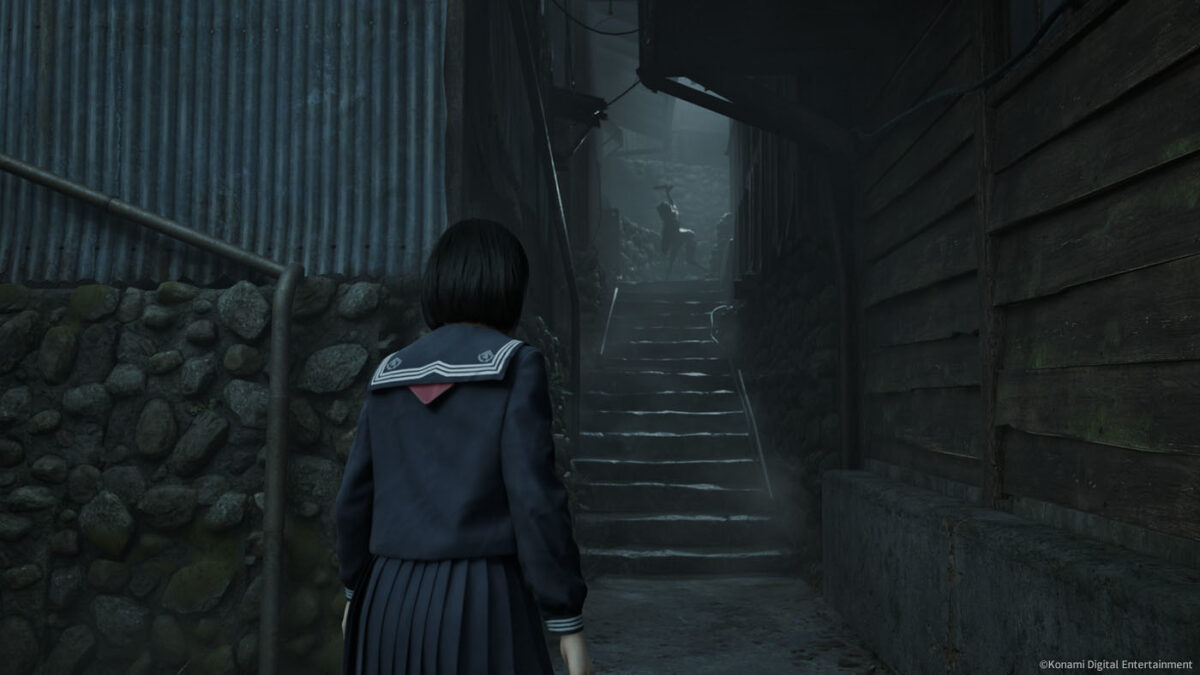
Silent Hill f is a part of a new generation for the legendary horror franchise, one that sees the ethereal and eerie titular setting extending its horrific manifestations into different places around the world. This title was an opportunity for us at NeoBards to harness what makes Silent Hill the psychological horror staple it is and shape a fresh new experience that brings the terror in both familiar and new ways.
I’m Al Yang, studio creative director at NeoBards and game director for Silent Hill f. I’m excited to share a slice of my Game Developers Conference (GDC) Festival of Gaming session for the PlayStation community, giving you all a behind-the-scenes look into the systems behind the first melee-only Silent Hill title.
Creating a different Silent Hill
In Silent Hill f, the secluded town of Ebisugaoka is consumed by a sudden fog in 1960s Japan, transforming lead character Shimizu Hinako’s home into a haunting nightmare. We initially spent some time considering what types of weapons we wanted to use from Showa-era Japan, doing some prototyping work along the way. With many horror games that emphasize action, there’s gunplay and other ranged combat in the majority of them. What if we flip the script here? It isn’t something horror players are entirely unfamiliar with, but not quite to the extent we’re proposing.
When players say they want to play a horror game and that they want to be scared, I think what they really mean is they want to feel tense. Jump scares are scary, but if you’re giving nonstop jump scares, players become numb, and it detracts from the atmosphere. The real fear lives in the anticipation and build-up, which became a guiding philosophy for how we built story and combat in Silent Hill f.
Injecting tension into combat
There’s intentional design that yields crucial tension for the typical survival horror experience. Slower rhythms with things like aiming and reloading, resource management and scarcity, and pacing. How do we translate these things into our game?
There is a lot of data across the history of survival horror on how to create tension despite the power of guns. For example, let’s look at resources when you encounter a monster in your path. Having 4 bullets in this situation creates a very different feeling from seeing that creature and having 100 bullets. The player’s fear and approach change entirely.
There are no bullets in Silent Hill f, so we showcase resource management with weapons breaking. Every time you hit a monster, you see the durability bar go down. But you don’t know exactly how much damage you’re doing. It isn’t like an RPG where you see numbers or a bar above the enemy’s head. Having concrete values shown significantly decreases the tension, as a large part of the tension of horror games relies on giving the player incomplete information.
How enemies behave is key as well. With guns, monsters will take shots to different body parts and keep shambling unless you hit them in the head or another critical spot, causing them to react differently. We deliver this with the Focus system. With patience and the right timing, you can do a counter or focus attack. It is like aiming down the sights with a gun, so you can hit those vulnerable spots.
If you get in a really meaty hit, you’ll see it in how the creature reacts. You’re not quite sure how close you are to defeating the enemy, but you know that your attacks are having an effect.
A delicate, horrific balancing act
Just as important as building tension, it is important to have a period of release. A way to impact pace and inject those moments of tension release in combat is something we call a master key. It is a system breaker, entirely subverting the gameplay rhythm the player has been engaging with thus far.
Many combat systems can be distilled down to a rock, paper, scissors design, where certain weapons work better against certain monsters. That rhythm builds tension and, to release it, we have the master key. In a horror game with ranged combat, a master key could be a grenade or rocket launcher—a weapon or item that doesn’t care about balanced design and just damages your enemy no matter what. You don’t have to think; you turn your brain off and get this thing out of your way. Players are diverse and are challenged by different situations, so it’s important to have systems where they can choose when they want to break out on their own terms.
In Silent Hill f, that is the fox arm, which is a part of Hinako’s transformation throughout the game. The focus hit system I mentioned before is also a much lighter sample of that master key experience.
Thanks from NeoBards
GDC is a major knowledge-sharing hub where developers and other industry professionals share insights into the many different things that bring your favorite games to life, and I appreciate this opportunity to give some insight into how the NeoBards team crafted a new survival horror title while respecting and engaging with the long history of horror gaming that has come before us. For those who have played or those who have yet to play, I hope you enjoyed getting some new insight into this game that we’re very proud of.
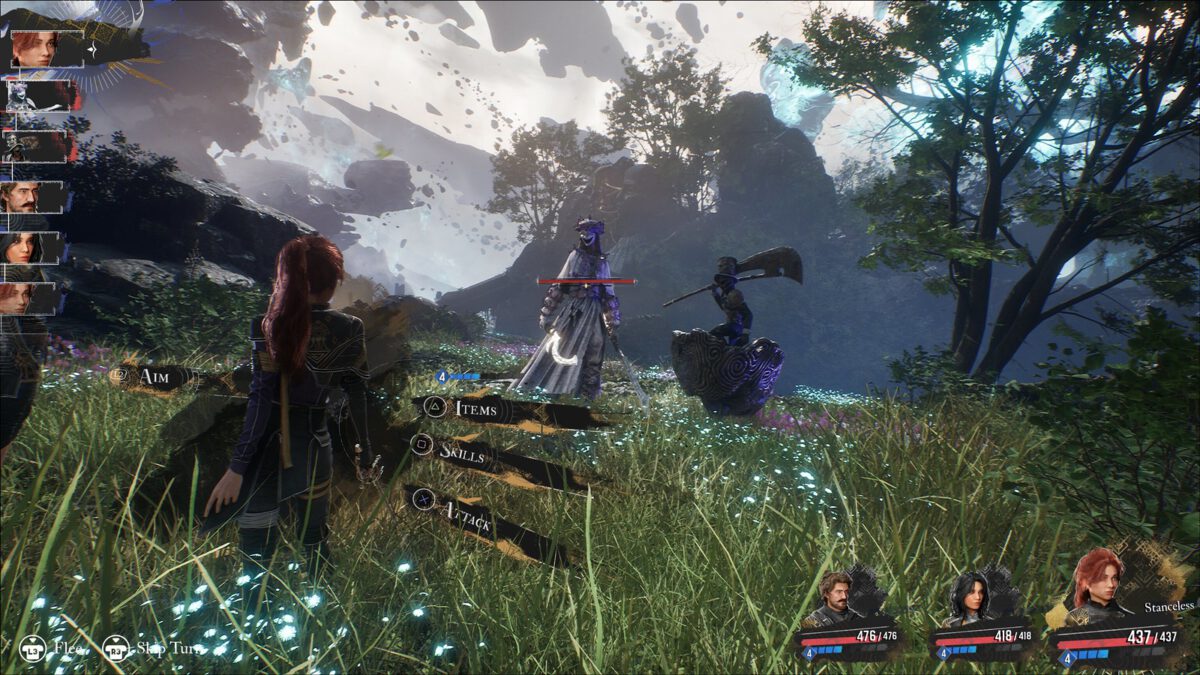
I’m Tom Guillermin, co-founder and CTO of Sandfall Interactive, and I’m excited to share some insight into how our team created the community and critically acclaimed RPG Clair Obscur: Expedition 33. This blog draws on our session at the GDC (Game Developers Conference) Festival of Gaming, where video game professionals from across a range of disciplines come together to share knowledge and experiences.
Our talk, which was delivered alongside our senior gameplay programmer, Florian Torres, explores how our small technical team aimed to give designers maximum creative freedom by enabling them to create and combine gameplay elements. Here, we will highlight examples that we believe this great community will appreciate.
The team and our reality
Creating video games is a marriage of many disciplines, and the skill set available changes as the team changes. From the bombastic abilities you see in combat to the assets that make up the game’s world map and beyond, efficient and smart structuring and planning put us in the best position to bring Clair Obscur: Expedition 33 to life.
The earliest versions of the game were made by Guillaume Broche, CEO of Sandfall Interactive, alone in his bedroom, with occasional help from me. Then we moved on to more advanced prototypes, growing the team with the ultimate goal of creating a vertical slice. Suddenly, there were twelve of us, and in 2022, we went to GDC in hopes of finding a publisher to help us continue development. There, we met Kepler Interactive, whose support meant we could develop an Alpha build and continue adding necessary roles: artists and programmers, especially.
Now for an important confession: We’re not much for coding. Our development philosophy at Sandfall is based on the reality that we have limited programming bandwidth, so we focus on what’s most important to delivering a good player experience and helping the creative team achieve their aims.
For that reason, we’re big fans of the Unreal Engine for its many core features. It also offers many additional benefits, such as bug fixes and performance optimizations. You have to do some integration work on each update, but as a small team, you try to keep the engine as-is to keep the process straightforward. During production, we also used quite a few external plugins for engine features not native to Unreal, as well as to prototype gameplay features.
Unreal Engine Blueprints
Because not everybody on the team is a programmer and we needed everyone to be able to contribute to the logic of the game, we used Blueprint visual scripting instead of C++ programming language: it’s a system in Unreal Engine that uses a node-based interface to script gameplay elements directly in the Unreal Editor. Essentially, you have a collection of recipes made of code that you can creatively deploy to get the results you want. It gives designers the ability to use many concepts and tools generally restricted to programmers.
With the team able to engage with this shared language, Blueprints allowed us to craft everything that goes into showcasing a skill in-game—character movement, visual effects, camera movement, etc. It’s really similar to any 3D software. You control the camera’s location and rotation, as well as the focal length, which can be animated. We have camera shakes, visual effects, and time dilation… All this contributes to a feeling of intensity over the course of the skill activation.
Creative solutions
There’s a lot of work that goes into the assets your team makes for these engaging and exciting experiences. You can deploy them multiple times and get very creative in different situations. A different perspective, visual deployment, detailed changes, etc.
The world map is a great example of this for us, and it was a major focus in development. It was one of the last levels we created, but it is also the biggest, with the most features. We used elements from other levels to create this one, even if it doesn’t appear that way. Technically, everything related to enemies and battles is the same—interaction, looting, NPCs, dialogues, and so on. We also repurposed art elements from the other levels, in keeping with our emphasis on efficiency.
Coding is an incredibly important part of video game development, and Blueprints, which are themselves a different way of coding, are one of the modern ways for aspiring developers or the infinitely curious within the PlayStation community to start creating their own projects.
At Sandfall Interactive, programmers create the building blocks—like the Blueprints nodes—and we let the designers play with them. Usually, that means using them in a way different from how the programmers imagined, which is exactly what we wanted. As programmers, our job is to make designers’ lives simpler.
There’s truth in many cliches, and we certainly stress this one: Teamwork makes the dream work. It sounds simple, but you need to truly need to lean on each other and create workflows that recognize, encourage, and benefit from that teamwork. We chose an engine that gave us a lot to work with in its base form, grabbed a few external enhancements, simplified the set of tools in our toolbox, reused elements we crafted, and more, all to achieve our goal of realizing our shared creative vision. That’s game development.
This month, purge Tyranid swarms in Warhammer 40,000: Space Marine 2, run the show on the gridiron in EA Sports Madden NFL 26, slip back into stylish heists with Persona 5 Royal, or brave a nightmarish pilgrimage in Blasphemous 2. All these titles and more are available in March’s PlayStation Plus Game Catalog lineup*. And as announced in the latest State of Play, PlayStation Plus Premium welcomes classic arcade fighting in the form of Tekken Dark Resurrection. The full lineup will be available to play on March 17.
*Digital PS5 games available to stream from your library will vary over time, region, and country.
PlayStation Plus Extra and Premium | Game Catalog
Download the image
Warhammer 40,000: Space Marine 2 | PS5
Purge the relentless Tyranid swarms as legendary Space Marine Titus in a spectacular new campaign. Enjoy intense, gory and fast-paced third-person action with hundreds of enemies on screen, from the creators of blockbuster co-op shooter World War Z. Hold at bay the horrors of the galaxy in epic battles on far-flung planets with your deadly abilities and devastating weaponry. Uncover dark secrets to drive back the everlasting night and prove your ultimate loyalty to humanity. Defend the Imperium as your own Space Marine in endlessly brutal and replayable PvE missions supporting up to three players. Pick from six classes, unlocking new skills and cosmetics as you progress. Wage eternal war on your enemies in ferocious 6v6 PvP matches and bring glory to your faction.
Download the image
EA Sports Madden NFL 26 | PS5
Step into the All-Madden legacy this season. Experience generational playmakers, unlock rewards, and celebrate football’s greatest coach. EA Sports Madden NFL 26 leverages a new AI-powered machine learning system trained on thousands of plays from nearly a decade of real NFL data to deliver more explosive gameplay – with new player-specific traits, authentic playstyles, and adaptive counters that match on-field tendencies and strategies of NFL quarterbacks and coaches. Burst upfield like Saquon with updated player movement to reflect the explosive athleticism only the NFL can deliver.
Download the image
Persona 5 Royal | PS5, PS4
Re-join the Phantom Thieves in a massively expanded and reworked version of the critically-lauded RPG. Expanding on the original 2017 release, Persona 5 Royal comes packed with new characters, confidants, story and locations, and a new grappling hook mechanic for stealthy access to never-before-seen areas. Explore Tokyo, unlock new Personas – demons from within the dream-like dungeons that will fight for you – customise your personal Thieves Den, discover a newly added story arc, cutscenes, alternate endings, and more. Persona 5 Royal retains its signature visual style, while award-nominated composer Shoji Meguro also returns with an all-new soundtrack. Wear the mask. Reveal your truth.
Download the image
Persona 5 Royal – Ultimate Edition | PS4
Persona 5 Royal Ultimate Edition includes the game and the Persona 5 Royal DLC Pack, including the costume, battle, and persona DLC found in the Persona 5 Royal Kasumi Costume Bundle, as well as the Persona 5 Royal Battle Bundle, and the Persona 5 Royal Persona Bundle. Prepare for an all-new RPG experience in Persona 5 Royal based in the universe of the award-winning series. Don the mask of Joker and join the Phantom Thieves of Hearts. Break free from the chains of modern society and stage grand heists to infiltrate the minds of the corrupt and make them change their ways.
Download the image
Blasphemous 2 | PS5, PS4
The second scripture in the Blasphemous series portends the return of The Penitent One. Awakened in a strange new land, and displaced from his final resting place, The Penitent One is thrust back into the endless cycle of life, death, and resurrection, with no other option than to explore this perilous new world and uncover its long-forgotten secrets. Hordes of grotesque enemies stand in your way, awaiting final judgement by the brutal hand of the Penitent One, with titanic twisted bosses also lurking in the darkness, waiting for their chance to return you to the grave from whence you came. How you tackle the labyrinthian world remains at your discretion, there is no wrong turn to be made, only scores to settle.
Download the image
Metal Eden | PS5
Metal Eden is an adrenaline-rush sci-fi FPS. The advanced Hyper Unit Aska is sent on a suicide mission to rescue the citizens’ Cores from the vast monolithic city Moebius once a hopeful new home for humanity now turned into a deadly trap. Blast your way through the Internal Defence Corps in cybernetic warfare, confront the Engineers and uncover the mysteries of the project Eden. Dive into cybernetic warfare against the machine forces that protect the secrets of an artificial world. Fight a diverse roster of tough, agile mecha troops and elemental forces.
Download the image
Lord of the Rings: Return to Moria | PS5
The Lord of the Rings: Return to Moria follows the Dwarves as they embark on a new adventure to reclaim their legendary home beneath the Misty Mountains. Summoned by Lord Gimli Lockbearer, players take control of a company of Dwarves tasked to reclaim the lost spoils from the Dwarven homeland of Moria, known as Khazad-dûm or Dwarrowdelf, in the depths below their very feet. Players will join forces to survive, craft, build and explore the iconic, sprawling mines. Courageous expeditioners will need to be vigilant as mysterious dangers await. Set in a procedurally generated Dwarven realm of Moria, no two adventures will be alike, and every expedition is traversable either solo or online with companions.
Download the image
Astroneer | PS5, PS4
Reshape the ground under your feet as though it were made of clay. In Astroneer, players use their deform tool to dig, collect, shape and build anything they wish. Survive on and explore carefully crafted planets that can be entirely deformed and traversed. Our vast solar system includes 7 wondrous planets that players can travel between and explore every inch of, from the entire spherical surface, through treacherous layers of caves, all the way down to the mysterious core. Astroneer is better with friends. Group up with other players and work together to create massive industrial bases or to create fun games in the extensive creative sandbox.
PlayStation Plus Premium
Download the image
Tekken Dark Resurrection | PS5, PS4
The popular 3D fighting game Tekken 5 Dark Resurrection breaks out of the arcade with all new systems and features! Experience the captivating stories of Armor King and newcomers Lili and Dragunov, unique openings and endings for each character, and even an all-new opening CG movie. Story Battle, Quick Battle, Arcade Battle, and Practice: all the modes you’ve come to expect from the series are here. Fight your way to the top of the leaderboards in Tekken Dojo, deal big damage to strike it rich in Gold Rush, or kick back with your favorite characters in a nice round of Tekken Bowl. Whether you’re in the mood for a hardcore challenge or just some casual mini-games, the options are endless. The highly acclaimed character customization features from the previous game are also included, so use the fight money you earn to purchase items and show off your own unique style!
*PlayStation Plus Game Catalog and PlayStation Plus Premium/Deluxe lineups may differ by region. Please check PlayStation Store on release day.
One of the most striking vehicle designs of the ‘90s, if not of all time, the ’91 Mazda RX-7 Type R and its overly complicated sequential twin-turbo system boosting a rotary engine joins the Gran Turismo 7 lineup.
Joining the FD3S are a restomod ’69 Chevrolet Camaro Race-Mod pushing 657.8 BHP from its supercharged V8 and a ’21 Renault Captur S Edition TCe 140 crossover.
March’s free update also brings four new events to World Circuit.
Update 1.68 for Gran Turismo 7 is available beginning today, March 11 at 11:00pm PT / March 12 at 7:00am GMT / 3:00pm JST.*
New Cars**
’69 Chevrolet Camaro Race-Mod
*Can be purchased from Brand Central
A restomod of the classic Trans-Am hero Camaro Z28.
Introduced in 1966, the Camaro was Chevrolet’s answer to Ford’s Mustang. The high‑performance Z28 was developed to homologate the car for the SCCA Trans‑Am Series and debuted as a focused motorsports model. Power came from a high‑revving 302 cu in (4.9‑litre) V8, with no automatic transmission or air conditioning offered. Campaigned by teams such as Penske Racing, the Z28 went on to claim championship success in Trans‑Am, helping spark a new era of small‑displacement, high‑revving American V8s.
Created by Gran Turismo, the Camaro 1969 Race‑Mod is a modern reinterpretation of that original Z28. It preserves the spirit of classic Trans‑Am racing through a low, aggressive stance, while incorporating elements of the contemporary restomod movement popularized at events like SEMA. Chrome trim has been removed and replaced with carbon‑black components, while a wide‑mouth front bumper, pronounced ducktail spoiler, and centre‑exit exhaust sharpen the exterior.
Inside, the car adopts a stripped‑back race cockpit with a roll cage, Alcantara bucket seats, and a sequential shifter. Beneath the vintage‑inspired design, however, lies thoroughly modern performance: a supercharged V8 producing 657.8 bhp. The result is a modern Trans‑Am race car that honors tradition while embracing new technology.
Download the image
Download the image
Download the image
Download the image
’91 Mazda ɛ̃fini RX-7 Type R (FD)
*Can be purchased from Used Cars
The debut model of the third‑generation RX‑7, a car engineered to be the ultimate sports car.
The FD3S RX‑7 debuted in December 1991, marking a major evolution for Mazda’s rotary sports car. The “Savanna” name used by previous generations was dropped, and the model was rebadged as the ɛ̃fini RX‑7. Its design focused on lightweight construction, balance, and outright performance.
To accommodate wider tyres, the FD3S featured a significantly wider body. Despite the increase in size, extensive use of aluminum for the bonnet, spare wheel, jack, and front and rear double‑wishbone suspension kept curb weight to an impressive 1,260 kg. This obsessive weight reduction became a defining trait of the car.
Power came from an updated 13B rotary engine, now fitted with a sequential twin‑turbo system. Output rose to 251.5 bhp and 30.0 kgfm of torque, giving the lightweight Type S a power‑to‑weight ratio of just 4.97 kg per bhp. It became the fastest and most capable RX‑7 Mazda had ever produced, with enormous tuning potential.
Over its lifespan, the FD3S saw continual refinement, including improvements to body rigidity, engine management, and ABS. The original Type I evolved through multiple revisions, culminating in the Type VI in 2000. Unable to meet increasingly strict environmental regulations, production ended with the RX‑7 Spirit R in August 2002, closing a 25‑year chapter in rotary sports car history.
Download the image
Download the image
Download the image
Download the image
’21 Renault Captur S Edition TCe 140
*Can be purchased from Brand Central
An all‑rounder that blurs the boundaries of the compact SUV class.
The Renault Captur is a compact crossover SUV first introduced in 2013, quickly gaining popularity for its urban‑friendly design and impressive versatility. The second‑generation model arrived in 2019, built on an updated platform that delivered improved driving dynamics, ride comfort, and overall refinement. From this generation onward, Renault’s distinctive C‑shaped lighting signature became a defining visual feature.
Measuring 4.23 m in length, 1.8 m in width, and 1.58 m in height, the Captur strikes a careful balance between compact agility and SUV presence. A longer wheelbase enhances stability and interior space, while the folding rear seats allow flexible cargo configurations to suit daily life or longer journeys.
Powertrain options vary by market and trim level, ranging from 1.0‑ and 1.3‑litre turbocharged petrol engines to diesel and hybrid variants. Notably, the Captur became Renault’s first plug‑in hybrid with the E‑TECH PHEV, drawing on hybrid expertise developed in Formula 1 to deliver smooth, quiet, and efficient performance through electric motor assistance.
On the road, the Captur combines agile handling with a stable, comfortable ride. A high‑quality interior and modern infotainment system enhance comfort for both driver and passengers, while the elevated driving position makes maneuvering effortless. Equally suited to urban commutes and winding country roads, the Captur proves itself as a true jack‑of‑all‑trades that exceeds expectations of the compact SUV segment.
Download the image
Download the image
Download the image
Download the image
World Circuits
The following new events have been added to ‘World Circuits’:
European Sunday Cup 400 – Dragon Trail – Gardens Reverse
Japanese Clubman Cup 550 – Kyoto Driving Park – Yamagiwa Reverse
American Clubman Cup 700 – Michelin Raceway Road Atlanta
World Touring Car 800 – Circuit Gilles-Villeneuve
*Internet connection required for update. **Credits (paid or via game progression) required to purchase vehicles.
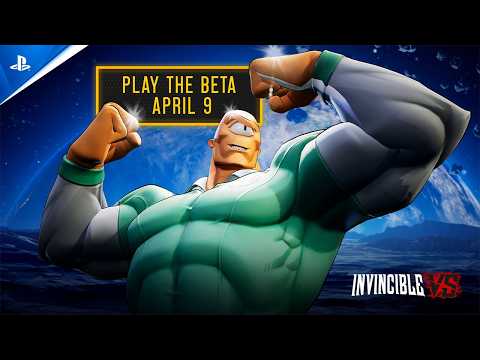
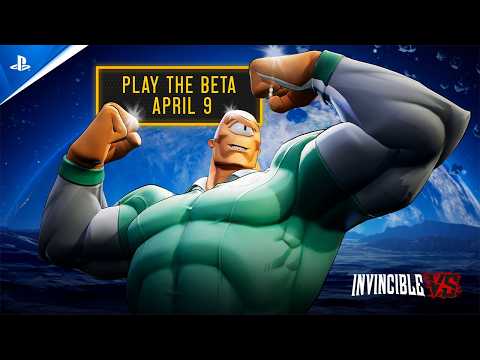
You’re about to experience more than a fraction of the power of Invincible’s characters. The upcoming Invincible Vs, a 3-on-3 tag-team fighting game based on Robert Kirkman’s comic series and the Amazon Prime adaptation of it, will hit PlayStation 5 on April 30. But before then, you can try the game with an open beta that’ll include 10 of its superpowered characters, running April 9 to 11.
Executive Producer Mike Willette sat down to tell us a little more about what players can expect in the beta, including its lineup of characters, and what it’s been like creating a fighting game from the Invincible source material.
PS Blog: What can players expect from the Invincible Vs beta? Will it include the story mode?
Mike Willette: Players can expect to see 10 characters. It’s going to be Invincible, Adam Eve, Omni-Man — with a special thing that they’ll find out about really, really soon that’s associated with Omni-Man — Thula, Robot, Monster Girl, Battle Beast, Rex Splosion, Bulletproof, and — very special — Allen the Alien.
Specifically, it’s going to be focused on online play, and ranked play. That’s because we know it’s going to be open to everybody, and so once you go through some placement matches, you’re going to start fighting against people that are closer to your rank. The goal is to, obviously, test things out, but also to get you grouped with people that are of like skill level.
We will have our training mode, which includes our tutorial and practice mode. And from practice mode, you can queue up into Ranked [mode]. You can either queue up there or just in our online settings. So you get to try out all the characters, you can go into practice and check everything out, and then go into ranked.
We will have our training mode, which includes our tutorial and practice mode. And from practice mode, you can queue up into Ranked [mode]. You can either queue up there or just in our online settings. So you get to try out all the characters, you can go into practice and check everything out, and then go into ranked.
Does Invincible Vs support any specific PS5 features or enhancements?
Yes, we’re working on high-resolution running on PlayStation 5. It is a goal for it being enhanced to support higher resolution while maintaining 60 frames per second.
Invincible features some really brutal battles in both the show and the comics. How did you go about treating that brutality and gore?
Something that Robert Kirkman is extremely good at is setting the table and the stakes that are involved. And you get to love these characters.
For us, it wasn’t about being a gore show, right? We don’t want to show you, like, ‘This is your spleen, and it’s attached to—.’ It wasn’t about getting into those details. It was really about showcasing the brutality of these people with powers during conflict, and this is the outcome of that conflict, and it’s brutal, and it’s damaging. It’s not just the gore that you see, but all of our costumes get torn. You get covered in blood. But when you’re super low on health, your idle changes, where you’re exhausted but still ready to fight.
So for us, it was expressing all of those things as often as we could, when it made the most sense, when it was authentic. We don’t stop the action for gore or violence. It’s part of the progression of the fight. We never want to take control away from a player whenever we can, and we want to make it part of the action, as if it was a scene in the show.
Can you talk about how you go about making Invincible Vs approachable for Invincible fans who might be new to fighting games?
You actually had the phrase there: approachable. To me, making a game approachable gets misconstrued with accessibility. We’re not trying to dumb down the game. We’re trying to make it easier for you to get into the game so you can fall in love with fighting games like we all have.
We looked at, like, what’s the fastest way to teach people combos and combo structure? And some of that was with the auto-combo [feature]. You’re not going to do as much damage, but it’s going to teach you some fundamental rules, of going from normal attacks into special attacks, and you can cancel special attacks into super moves, and from super moves, you can tag in your partner characters, and then you can rinse and repeat. And it starts building on top of itself, showing people the golden path of how combos work, and how easy it can be.
How do you make the game fun for both a newcomer audience and the rest of the fighting game community?
This is kind of like the second time we’ve taken this kind of approach. If you look back on what we did at Killer Instinct, we wanted to get rid of some of the hidden rules of combo flow.
It was really starting at something basic, a building block, and then adding building blocks on top of it, something that you can understand. So start here, then move to the next pattern, and then move to the pattern after them. So as long as you feel good doing the initial set of stuff, our theory is, and we’ve seen it happen, you’re like, ‘I was mashing buttons, but I did something really awesome. I want to learn more about awesome.’ It’s going to get you to that next thing.
So having combos that feel really good, even the auto ones, again, doesn’t have to do the most damage, but it feels good and does something flashy — it’s an important carrot to get you to do the next thing, and the next thing after that, right?
Quarter Up developed an original story for Invincible Vs, working with creator Robert Kirkman and Helen Leigh, the writer and co-executive producer of the Invincible series. What has that collaboration been like?
It’s interesting because Robert loves video games. He loves fighting games. So it’s not too hard to say, ‘Hey, within this structure, what kind of story do we want to tell?’ And it is really collaborative, because we get to say, ‘Hey, we have these ideas. How can we execute on these ideas and with these types of characters?’ And the writers will be like, ‘This is a way that we could bridge these gaps,’ or ‘These are very interesting premises.’
And for us, it was really selling the experience that you’re playing, like, a special episode of the show. It could potentially exist within the timeline, so just sit back and have fun.
You’re about to experience more than a fraction of the power of Invincible’s characters. The upcoming Invincible Vs, a 3-on-3 tag-team fighting game based on Robert Kirkman’s comic series and the Amazon Prime adaptation of it, will hit PlayStation 5 on April 30. But before then, you can try the game with an open beta that’ll include 10 of its superpowered characters, running April 9 to 12.
Executive Producer Mike Willette sat down to tell us a little more about what players can expect in the beta, including its lineup of characters, and what it’s been like creating a fighting game from the Invincible source material.
PS Blog: What can players expect from the Invincible Vs beta? Will it include the story mode?
Mike Willette: Players can expect to see 10 characters. It’s going to be Invincible, Adam Eve, Omni-Man — with a special thing that they’ll find out about really, really soon that’s associated with Omni-Man — Thula, Robot, Monster Girl, Battle Beast, Rex Splosion, Bulletproof, and — very special — Allen the Alien.
Specifically, it’s going to be focused on online play, and ranked play. That’s because we know it’s going to be open to everybody, and so once you go through some placement matches, you’re going to start fighting against people that are closer to your rank. The goal is to, obviously, test things out, but also to get you grouped with people that are of like skill level.
We will have our training mode, which includes our tutorial and practice mode. And from practice mode, you can queue up into Ranked [mode]. You can either queue up there or just in our online settings. So you get to try out all the characters, you can go into practice and check everything out, and then go into ranked.
We will have our training mode, which includes our tutorial and practice mode. And from practice mode, you can queue up into Ranked [mode]. You can either queue up there or just in our online settings. So you get to try out all the characters, you can go into practice and check everything out, and then go into ranked.
Does Invincible Vs support any specific PS5 features or enhancements?
Yes, we’re working on high-resolution running on PlayStation 5. It is a goal for it being enhanced to support higher resolution while maintaining 60 frames per second.
Invincible features some really brutal battles in both the show and the comics. How did you go about treating that brutality and gore?
Something that Robert Kirkman is extremely good at is setting the table and the stakes that are involved. And you get to love these characters.
For us, it wasn’t about being a gore show, right? We don’t want to show you, like, ‘This is your spleen, and it’s attached to—.’ It wasn’t about getting into those details. It was really about showcasing the brutality of these people with powers during conflict, and this is the outcome of that conflict, and it’s brutal, and it’s damaging. It’s not just the gore that you see, but all of our costumes get torn. You get covered in blood. But when you’re super low on health, your idle changes, where you’re exhausted but still ready to fight.
So for us, it was expressing all of those things as often as we could, when it made the most sense, when it was authentic. We don’t stop the action for gore or violence. It’s part of the progression of the fight. We never want to take control away from a player whenever we can, and we want to make it part of the action, as if it was a scene in the show.
Can you talk about how you go about making Invincible Vs approachable for Invincible fans who might be new to fighting games?
You actually had the phrase there: approachable. To me, making a game approachable gets misconstrued with accessibility. We’re not trying to dumb down the game. We’re trying to make it easier for you to get into the game so you can fall in love with fighting games like we all have.
We looked at, like, what’s the fastest way to teach people combos and combo structure? And some of that was with the auto-combo [feature]. You’re not going to do as much damage, but it’s going to teach you some fundamental rules, of going from normal attacks into special attacks, and you can cancel special attacks into super moves, and from super moves, you can tag in your partner characters, and then you can rinse and repeat. And it starts building on top of itself, showing people the golden path of how combos work, and how easy it can be.
How do you make the game fun for both a newcomer audience and the rest of the fighting game community?
This is kind of like the second time we’ve taken this kind of approach. If you look back on what we did at Killer Instinct, we wanted to get rid of some of the hidden rules of combo flow.
It was really starting at something basic, a building block, and then adding building blocks on top of it, something that you can understand. So start here, then move to the next pattern, and then move to the pattern after them. So as long as you feel good doing the initial set of stuff, our theory is, and we’ve seen it happen, you’re like, ‘I was mashing buttons, but I did something really awesome. I want to learn more about awesome.’ It’s going to get you to that next thing.
So having combos that feel really good, even the auto ones, again, doesn’t have to do the most damage, but it feels good and does something flashy — it’s an important carrot to get you to do the next thing, and the next thing after that, right?
Quarter Up developed an original story for Invincible Vs, working with creator Robert Kirkman and Helen Leigh, the writer and co-executive producer of the Invincible series. What has that collaboration been like?
It’s interesting because Robert loves video games. He loves fighting games. So it’s not too hard to say, ‘Hey, within this structure, what kind of story do we want to tell?’ And it is really collaborative, because we get to say, ‘Hey, we have these ideas. How can we execute on these ideas and with these types of characters?’ And the writers will be like, ‘This is a way that we could bridge these gaps,’ or ‘These are very interesting premises.’
And for us, it was really selling the experience that you’re playing, like, a special episode of the show. It could potentially exist within the timeline, so just sit back and have fun.