Developed by our partners at Mega Cat Studios, Sons of Sparta takes God of War staples and translates them like never before into a retro-inspired 2D action platformer.
Looking to learn more before embarking on a journey back to ancient Greece this weekend? Here’s what you need to know about God of War Sons of Sparta!
Duty, honor & brotherhood
Sons of Sparta is a canon story that takes place in Kratos’ youth from the writing team that brought you God of War (2018), God of War Ragnarök, and God of War Ragnarök: Valhalla.
Set during the brutal training period Spartan cadets undergo at the Agoge – Kratos, alongside his brother Deimos, must traverse far beyond the home they know into the beautiful yet dangerous region of Laconia that surrounds the familiar walls of Sparta.
Kratos and Deimos must overcome threats that will put all their training to the test while challenging them to confront the true meaning of duty, honor, and brotherhood.
Heartfelt performances
Sons of Sparta features a fantastic vocal cast whose performances bring the depth and emotion fans expect from God of War games.
We’re thrilled to have two actors who have both portrayed Kratos in the Greek saga reprise their roles for this game. TC Carson returns as the adult version of Kratos who serves as our story’s narrator, while Antony Del Rio portrays the younger version of Kratos, which he also did in God of War: Ghost of Sparta back in 2010!
We’re also excited to have newcomers join the series, including Scott Menville, as the voice of our young Deimos.
God of War combat in 2D
Sons of Sparta brings God of War’s kinetic combat to a brand-new genre. Customize your weapons, learn new skills, and harness powerful divine artifacts using the Gifts of Olympus to end your foes with brutal finishers.
A Spartan’s first weapons
Kratos’ spear and shield can each be enhanced and adapted using different attachments. Each attachment comes with its own upgrade path, so you can tailor your build to empower whichever playstyle you enjoy.
Kratos also has access to three primary skill trees where he can learn new abilities to improve his offensive, defensive, and movement kits.
Gifts of Olympus
Throughout his adventures in Laconia, Kratos will acquire Gifts of Olympus, divine artifacts that can turn the tide in combat through their special and super attacks.
Some of the Gifts excel in ranged combat – striking with precision from afar or launching an exploding projectile to hit multiple creatures. Others come with their own devastating melee combo to supplement Kratos’ spear attacks.
Myths and legends
Sons of Sparta features the return of many iconic creatures from the Greek saga, including hulking minotaurs, nimble satyrs, and undead legionnaires. We worked closely with the team at Mega Cat Studios to faithfully translate the original animations to their 2D representations in-game.
On top of the classics, MCS has also brought in many new creatures from Greek mythology didn’t have the chance to explore in the originals.
Explore Laconia
Stunning high-definition pixel art environments will take you on a journey through a variety of locations that bring Kratos’ homeland to life with incredible detail.
As you progress through the main story, you’ll find that Laconia is also full of content that rewards exploration – optional quests, hidden encounters, and loot await!
The sound of Sparta
Bear McCreary returns to score Sons of Sparta with an incredible soundtrack that melds retro aesthetics with God of War’s signature sweeping orchestral and choral style.
Get it today
The Standard and Digital Deluxe Editions are both available for purchase digitally at PlayStation Store:
Standard Editionof God of War Sons of Sparta is $29.99 USD / €29.99 / £24.99 / ¥3480
Digital Deluxe Edition of God of War Sons of Sparta is $39.99 USD / €39.99 / £32.99 / ¥4480
Thank you to all the God of War fans for your continued support, we hope you’ll enjoy Sons of Sparta!
Packed show, right? Clocking in at just over an hour, today’s State of Play ran the gauntlet of exciting updates to upcoming SIE Studios titles and games coming from our third party partners, as well as surprise new reveals and upcoming demos. Oh, and there was the small matter of God of War, with the announcement of a remake of the original God of War trilogy and the surprise reveal of God of War Sons of Sparta, which is out now on PS5.
We’ve got the full show for you to rewatch below. Underneath that, we recap all the key details of every announcement and include the full trailers for your viewing pleasure, and for several titles, further details and insight by the game creators in a selection of dedicated PlayStation Blog articles.
007 First Light
State of Play debuted a brand-new story trailer for 007 First Light, offering PlayStation 5 players a deeper look at IO Interactive’s original take on the origin of James Bond. The video offers a glimpse of Bond’s exploits in Iceland, which puts him on MI6’s radar as a potential recruit for its newly revived 00 programme. The programme will see Bond cross paths with its training instructor, former 00 agent John Greenway, with two needing to work together to take on 009, a former British operative now turned rogue and on the loose.
Following up from last December’s reveal, Bad Robot Games Chief Creative Officer Mike Booth joined us at State of Play to delve into the core gameplay loop, mechanics and more of the four-player co-op shooter 4: Loop. You can check out the full breakdown in the video above, and read more from Booth in a dedicated PlayStation Blog article, including news on upcoming beta opportunities.
This one-person, one-dog action RPG launches on PS5 August 4. Set in sci-fi inspired far-future Japan against the backdrop of a devastated world, Beast of Reincarnation follows Emma, a blight-corrupted outcast and her four-legged companion Koo, a malefact whose kind is supposedly a danger to the world. You’ll need to switch between Emma’s real-time, sword-based combat and directing Koo through a command system similar to a turn-based RPG.
A blast from PlayStation’s strategic past returns this year in the form of Brigandine Abyss, a new entry in the single player fantasy strategy RPG, the first title of which was released on the original PlayStation back in 1998. Now, six years after the release of Brigandine: The Legend of Runersia, the series once again brings players to a fantasy world where battles take place on a hex grid.
Adventurers, get ready to crack that whip as the legendary 2D action-exploration series returns this year on PS5. Castlevania: Belmont’s Curse recaptures the gothic action in a whole new way as development duties are shared between Konami, Evil Empire, and Motion Twin. New weapons and abilities join classic tools, all envisioned with a brand new art style.
Remedy Entertainment shares new details on Control Resonant’s shapeshifting weapons, navigating gravity anomalies, and more. Learn how you’ll navigate a Manhattan unpredictably reshaped by otherworldly forces and battle fearsome forces by using our own supernatural abilities, including a shapeshifting weapon.
Welcome to a gothic world full of angels, demons, and ancient gods. In this action-adventure RPG Crimson Moon, developed by ProbablyMonsters, you’ll battle alone or join forces with a friend. Be ready though, as co-op amplifies the intensity, with dynamic difficulty scaling and enemy composition ensuring every mission feels fresh and personal. Whether fighting side-by-side or carving your own path, the goal remains the same. Purge the darkness and reclaim the city. The game launches later this year on PS5.
Octopus Darwin slithered into State of Play with two announcements. First, a release date: April 2. Secondly, the surprise announcement, not only of a demo, but a demo that will be available tomorrow, and that demo’s content is directly inspired by Metal Gear Solid! Play the Tactical Octopus Action demo tomorrow on PS5, and pre-order the full game to get two exclusive skins.
Dead or Alive 6 Last Round
A double hit of Dead or Alive news at State of Play. First off, Dead or Alive 6 Last Round will be slugging its way onto PS5 on June 25. This definitive version of the 2019 brawler will launch simultaneously with both standard and free-to-play editions, with the latter featuring 4 fighters from the fuller 29-strong roster. And Team Ninja confirmed work is underway on a brand new entry into the series, sharing a first tease, which you can watch above.
Death Stranding 2: On the Beach comes to PC on March 19, with pre-purchase starting today on Steam and Epic Games. New features and modes will be part of that release, and they’ll also be available on PS5 the same day as a game update! More details on those will be revealed in the future.
Two big announcements from Santa Monica Studio concluded today’s State of Play. First, confirmation that a remake of the God of War Greek trilogy is in early development. Secondly, the studio has partnered with Mega Cat Studios to create 2D action platformer God of War Sons of Sparta, which is out today on PS5!
Strike through March 10 on your calendars warriors, as that’s the day Ghost of Yōtei Legends launches. This supernaturally-charged, cooperative multiplayer update, will be available to all Ghost of Yōtei players as part of the game’s 1.5 update. With distinct character classes to learn and earn cosmetics for, three mission types to conquer and the promise of a Raid in the coming months, you better warm up that sword arm.
Saber Interactive is working with the creators of the action movie franchise to create a previously unseen chapter in the life of John Wick, which lets you play as the Baba Yaga himself. The studio is promising the signature elements from John Wick movies to be present in the game, from the unique use of camerawork; bold and cinematic environments; and extremely distinctive gun-fu action and intense driving experiences. The game is coming to PS5, but release date and official title is not yet known.
Ember Lab returns with an all-new adventure as an older, renowned Spirit Guide Kena travels to the mysterious island of Kosmora. Spirit companions will be a big part of Kena’s journey, charming buddies that travel with you, grow over time, and unlock new powers as your bond deepens. There’s still spirits to be cleansed, and new elemental gameplay expands the strategy and depth to combat. Kena: Scars of Kosmora launches this year on PS5 and PC.
The remastered dark fantasy classic launches March 3 on PS5 and PS4, with a robust set of new features to get your fangs into. Alongside refinements to visuals, controls, and camera design for modern audiences, and a host of archival content, the game’s Deluxe Edition will feature a playable demo of Defiance’s cancelled sequel, Dark Prophecy.
It’s not long until Marathon’s launch on March 5, but players eager to start their exploration of Tau Ceti IV won’t even need to wait that long: Bungie has announced n Server Slam on Feb 26. PS5 players will be able to experience select content from the full game, as well as earn a tiered gear package and grab a special emblem and banner which will be available in the full experience. Oh, and the studio also came to State of Play with a brand-new gameplay trailer in tow.
Ready those colorful costumes, superhero fans. MARVEL Tōkon: Fighting Souls punches onto PS5 and PC August 6, with pre-orders opening Feb 19. Alongside the release date, State of Play revealed three new additions to the roster in the form of Magik, Wolverine and Danger, and in a supporting PlayStation Blog article, the creators confirmed an Episode Mode and detailed the different editions that’ll be available at PlayStation Store.
Metal Gear Solid: Master Collection Vol. 2 launches August 27 this year on PS5. Packaging together Metal Gear Solid 4: Guns of the Patriots, Metal Gear Solid: Peace Walker, and the series’ first portable title Metal Gear: Ghost Babel as a bonus title along with some extras that’ll thrill long-term fans of Konami’s stealth series.
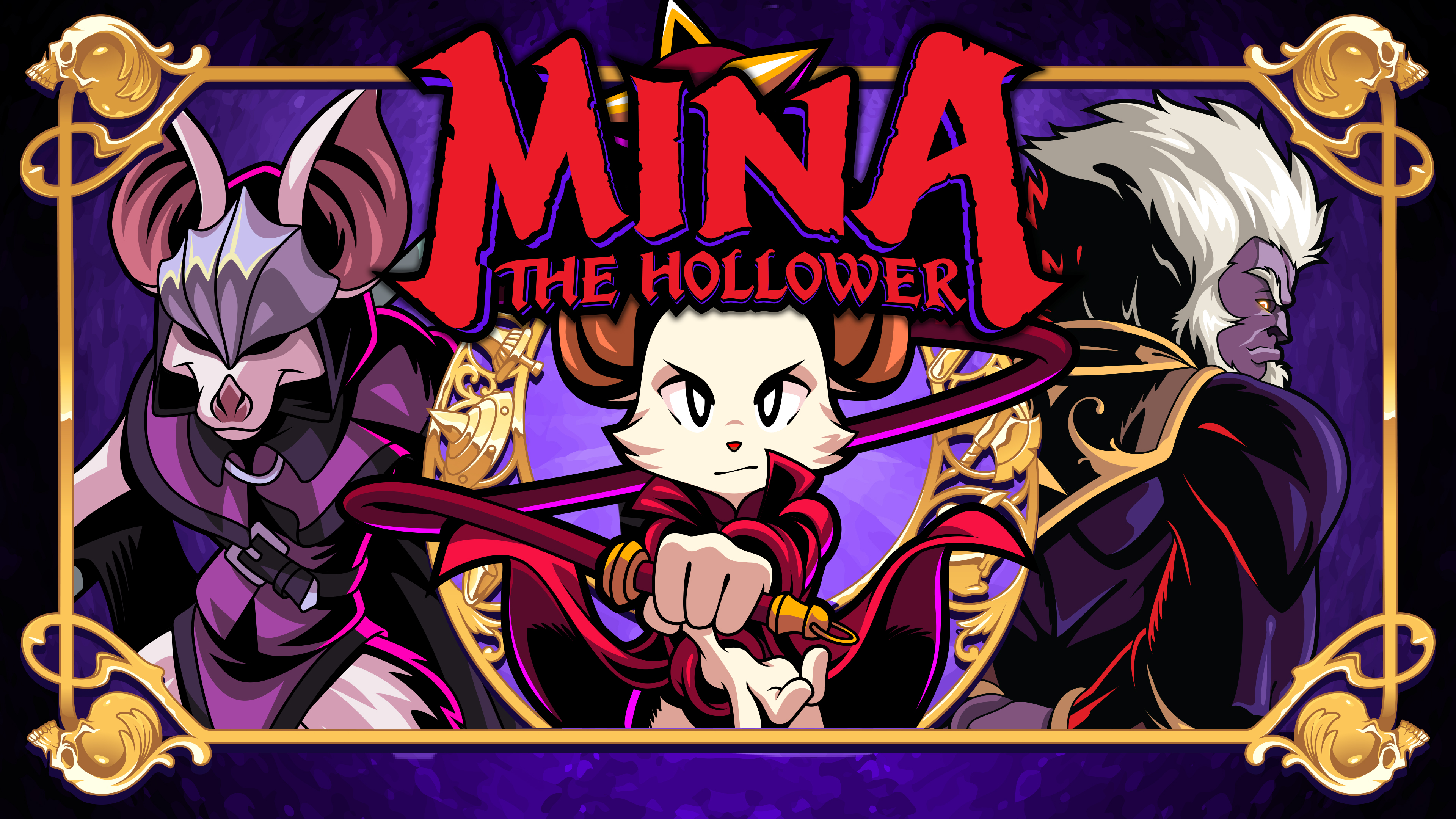
Shovel Knight studio Yacht Games joined State of Play to share new gameplay and a PS5 demo for Mina the Hollower. The action adventure launches this spring on PS5, and promises to be the creator’s largest game yet, boasting a densely packed world with over 25 unique bosses, 60 trinkets to discover, weapon upgrades, a level up system, new game plus, hundreds of gameplay modifiers, a fishing mini-game, tons of puns, and so much more. You can try it yourself tomorrow, when a limited time demo drops on PS5.
Set years before the events of the original game, this prologue tells the story of how Alba and the wolf cub Neva first met. You must guide the cub through the blighted wilderness, facing new enemies and endure perilous trials together. New gameplay mechanics and all new locations are promised. This DLC launches February 19.
Download the image
PlayStation Plus
Multiple games were announced to be coming to PlayStation Plus. Co-op puzzler Big Walk is launching day one into PlayStation Plus Monthly Games later this year, while PlayStation Plus Premium members can enjoy two Classics in the form of Tekken Dark Resurrection (originally released on PSP), out March, and Time Crisis, out May.
February’s Game Catalog lineup was also announced at State of Play. Quickly swap between both Spider-Men as you explore an expanded Marvel’s New York in Marvel’s Spider-Man 2, race for supremacy across a shared open world in Test Drive Unlimited Solar Crown, embark on an intimate, emotional journey through a fading land in Neva, or capture fleeting moments on a reflective road trip in Season: A Letter to the Future. Meanwhile, Disney Pixar Wall-E brings platform adventure to PlayStation Plus Premium. All these titles and more are available in February’s PlayStation Plus Game Catalog from February 17.
Today’s State of Play brought us a closer look at Capcom’s new intriguing sci-fi adventure,giving us a glimpse into its world and the threats that protagonists Hugh and his android companion Diana will face. Get ready to hack and fight your way through enemy threats April 24 on PS5.
Project Windless
Coming to PS5, Project Windless is a dark fantasy open-world action RPG inspired by the Korean novel series The Bird That Drinks Tears. The game will tap into a point thousands of years before the source material, having you play as one of the Rekons, a nomadic warrior race of humanoid birds, known for their immense physical strength and size.
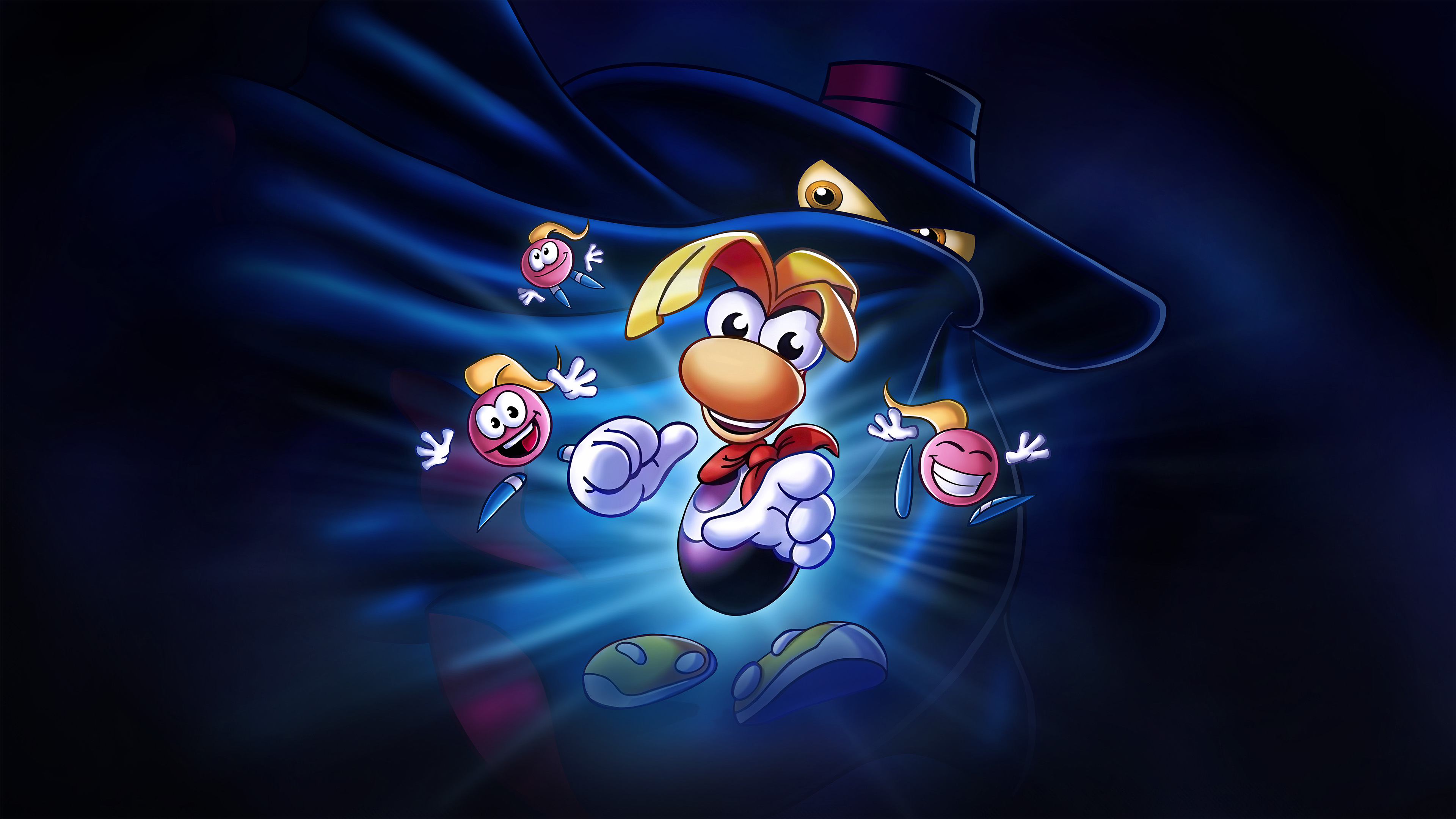
The classic 1995 platformer receives a feature-packed Anniversary Edition, and it’s launching digitally on PS5 February 13! Developed by Digital Eclipse, this definitive edition lets you play multiple versions of the original, take on 120 additional levels pulled from the bonus level packs. It includes a faithfully reimagined soundtrack by composer Christophe Héral, optional enhanced gameplay features, an interactive documentary and a never-before-playable prototype, giving you an inside look at how Rayman’s gameplay was developed.
We’re just over two weeks away from Capcom’s latest installment of its iconic horror series, launching on February 27. At State of Play, the publisher debuted the game’s launch trailer, which was full of new tantalizing story teases and powerful action beats. Sit back, and enjoy the new footage.
Rev.Noir
Konami brought the first glimpse of their new JPRG to State of Play. Rev.Noir is set in a world played by a deadly phenomenon known as lightfall, which instantly kills anyone it touches. The story follows a memory-lost boy and a mysterious girl as they set out on a journey to put an end to the catastrophe.
Saros
Housemarque unpacked some of the tantalizing gameplay features of its sci-fi shooter ahead of its April 30 launch on PS5. Armor upgrades to better fit your playstyle, an intriguing Modifier system to let you adjust Carcosa’s dangers to your tastes. Fast travel to unlocked biomes. Then there’s the world-altering eclipse events which escalate the threat against you, as corruption affects enemies, weapons and artifacts. A challenge not for the fainthearted.
This new entry into the horror franchise offers a new town to explore, horrific enemies to fight and evade, and story-driven puzzles that help deliver a new but distinctly Silent Hill tale of mystery, tragedy and loss. The perspective shifts to first person, and a new yet-retro portable CRT TV device will be both a useful tool in encounters and a way to unveil more of the story.
Take part in a runs-based, high-stakes reinvention of racing born in the lawless Outer Rim of the Star Wars galaxy, coming to PS5 later this year. Today we got a first glimpse of gameplay, spanning different planets, and highlighting different racing vehicles and characters, all of whom are competing in the unsanctioned racing circuit where only the bold survive.
Yakoh Shinobi Ops
Four player online, isometric shinobi action sneaks onto PS5 next year in the form of Yakoh Shinobi Ops. Work together to infiltrate heavily guarded enemy territory, combining your unique ninjutsu abilities to avoid traps, evade soldiers and escape an ever-present, unstoppable Pursuer who threatens to end your run prematurely.
This month, quickly swap between both Spider-Men as you explore an expanded Marvel’s New York in Marvel’s Spider-Man 2, race for supremacy across a shared open world in Test Drive Unlimited Solar Crown, embark on an intimate, emotional journey through a fading land in Neva, or capture fleeting moments on a reflective road trip in Season: A Letter to the Future. All these titles and more are available in February’s PlayStation Plus Game Catalog lineup*. Meanwhile, Disney Pixar Wall-E brings platform adventure to PlayStation Plus Premium. The full lineup will be available to play on February 17. *Digital PS5 games available to stream from your library will vary over time, region, and country.
PlayStation Plus Extra and Premium | Game Catalog
Marvel’s Spider-Man 2 | PS5
Spider-Men, Peter Parker and Miles Morales, return for an exciting new adventure in the critically acclaimed Marvel’s Spider-Man franchise for PS5. Swing, jump and utilize the new Web Wings to travel across Marvel’s New York, quickly switching between Peter Parker and Miles Morales to experience different stories and epic new powers, as the iconic villain Venom threatens to destroy their lives, their city and the ones they love.
Test Drive Unlimited Solar Crown | PS5
13 years after the release of Test Drive Unlimited 2, Test Drive Unlimited Solar Crown reinvents the open-world massively multiplayer racing game genre. Acquire iconic models from all the famous manufacturers: Ferrari, Lamborghini, Porsche, Bugatti, Koenigsegg, Aston Martin and many more. In total, over 30 car manufacturers are represented with a variety of car types, from 1960s daily drivers and ultra-modern hypercars to off-road vehicles. Take part in the clan wars by joining one of the two families fighting for supremacy: the Streets, the flamboyant provocateurs; or the Sharps, who prefer understated sophistication. Go head-to-head with the challengers of each clan in thrilling races to climb the ranks and earn unique rewards.
Neva | PS5, PS4
Neva is an emotionally-charged action adventure from the visionary team behind the critically acclaimed Gris. Neva chronicles the story of Alba, a young woman bound to a curious wolf cub following a traumatic encounter with dark forces. Together they embark on a perilous journey through a once-beautiful world as it slowly decays around them. Over time, their relationship will evolve as they learn to work together, helping one another to brave increasingly dangerous situations. The wolf will grow from a rebellious cub to an imposing adult seeking to forge his own identity, testing Alba’s love and their commitment to one another. As the cursed world threatens to overwhelm them, Alba and her courageous companion will do whatever it takes to survive and make a new home, together.
Season: A Letter to the Future | PS5, PS4
Immerse yourself in the world of Season, a third-person atmospheric adventure bicycle road trip game. Leave home for the first time to collect memories before a mysterious cataclysm washes everything away. Explore, record, meet people and unravel the strange world around you. Each recording tool captures a different layer; sounds and music, art and architecture, the stories of characters living through pivotal moments. Your tools peel back these layers until you grasp the culture, history, and ecology underneath everything.
Monster Hunter Stories 2: Wings of Ruin | PS4
A new adventure awaits you in this second installment of the turn-based RPG series set in the world of Monster Hunter! Become a Rider and form bonds with friendly monsters known as Monsties to fight alongside them as you take part in an epic story. You play as the grandchild of Red, a legendary Rider. The story begins with a fateful encounter with Ena, a Wyverian girl who has been entrusted with an egg with the potential to hatch into a legendary Rathalos which could wreak havoc if awakened to its destructive power. Embark on a journey which will test the bonds of friendship in a changing world, and discover the truth behind the legends of old.
Monster Hunter Stories | PS4
Monster Hunter Stories is a turn-based RPG that takes the world of Monster Hunter and expands upon it in new and exciting ways. No longer are you hunting monsters, but raising them. In this deep story featuring heroes known as Monster Riders, you will live alongside monsters and form lifelong bonds with them. The first installment of the Monster Hunter Stories series returns, fully voiced in Japanese and English, with additional features such as a new museum mode where you can listen to music and view concept art, allowing you to dive even deeper into the world of Monster Hunter Stories.
Venba | PS5
Venba is a narrative cooking game where you play as an Indian mom who immigrates to Canada with her family in the 1980s. Venba’s recipe book gets damaged when she moves to Canada. Restore the lost recipes to cook delicious, mouth-watering dishes that serve as a connection to the home left behind. Get to know the family well, hold branching conversations, and explore as you face the challenges that arise from day to day life in a story about family, love, loss and more.
Echoes of the End: Enhanced Edition | PS5
Play as Ryn, a powerful vestige born with an affinity for ancient magic. When her brother is captured by a totalitarian empire and war threatens to consume her homeland, she must rise to protect both her family, and her people. Joined by Abram, a seasoned scholar with a haunted past, Ryn embarks on a journey that will test their newly-forged bond, uncover buried secrets, and challenge what it truly means to wield power in a world on the brink of collapse. Inspired by the untamed landscapes of Iceland, Echoes of the End spans glaciers, volcanic depths, and forgotten ruins, where magic and machinery intertwine. Explore a handcrafted world filled with monsters, mysteries, and the relics of a lost civilization.
Rugby 25 | PS5, PS4
Experience the rush as Rugby 25 immerses you in the world of rugby like no game before it. From local club clashes to the grandest international championships. Every pass, every tackle, and every try flawlessly crafted to capture the true essence of rugby. With lifelike gameplay, strategic depth, and heart-stopping action, you’ll feel the energy of the field at your fingertips. Prepare for an unforgettable journey where every match is a battle, and every victory is earned on your path to immortality. Whether you lead a national squad or a top-tier club, the most comprehensive team lineup ever is at your command at the rugby world’s most iconic venues.
PlayStation Plus Premium
Disney Pixar Wall-E | PS5, PS4
Originally released on the PlayStation 2 and based on the 2008 computer animated film from Pixar Animation Studios, Wall-E follows the story of a small, sentient robot whose sole purpose is to clean up Earth’s voluminous garbage. In the year 2700, mankind has left behind millions of tiny trash collectors to make the planet habitable again. Yet only Wall-E remains functional, dutifully performing his task while collecting an odd assortment of souvenirs. His uneventful life takes on new meaning when he encounters a sleek, shiny robot named Eve, sent by humans to monitor the clean-up progress. Play as the lonely robot as he navigates a trash-tainted world and begins an unlikely trek across the cosmos. In addition to solving puzzles throughout the solo adventure, up to four players can compete in mini-games ranging from timed races through space to competitive battles.
*PlayStation Plus Game Catalog and PlayStation Plus Premium/Deluxe lineups may differ by region. Please check PlayStation Store on release day.
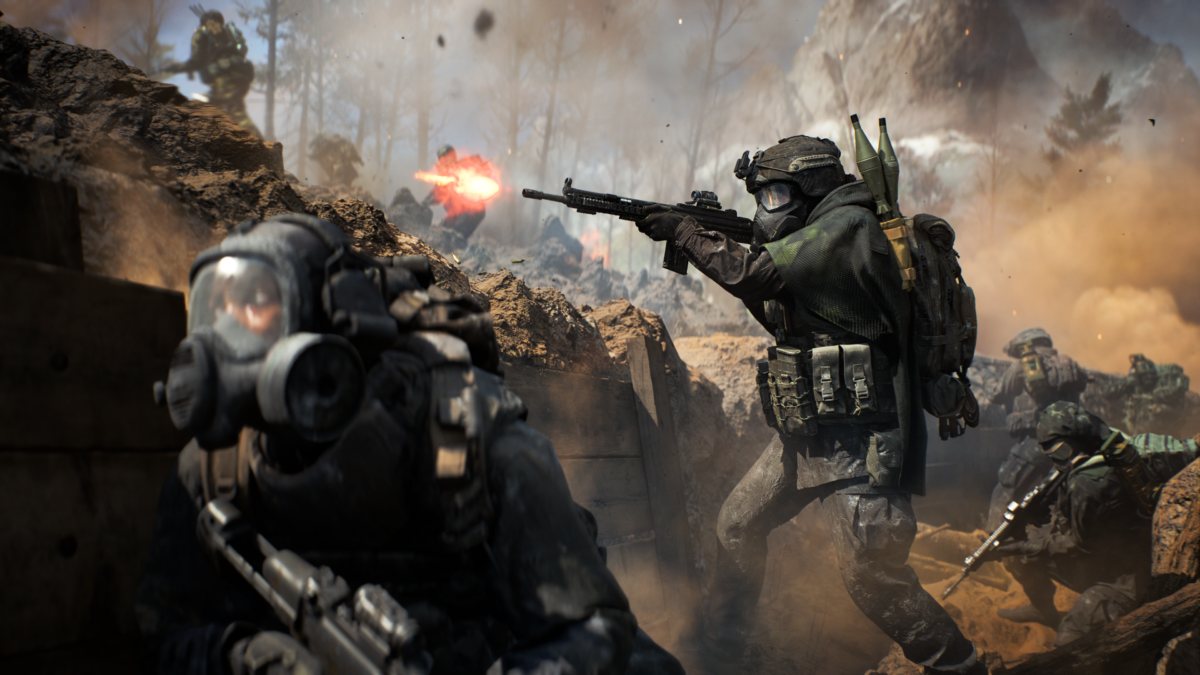
Battlefield 6 and Redsec Season 2 begins on February 17 at 4:00am PT (12:00pm UTC), as the war with Pax Armata infiltrates the mountainsides of Germany in a grueling assault to reclaim a once owned NATO airbase.
Season 2 will be released in 3 phases: Extreme Measures, Nightfall, and Hunter/Prey, featuring high-intensity maps, critical gadgets, iconic new hardware, and vehicles for waging the ultimate all-out war experience.
The first phase for Season 2, Extreme Measures, takes the thrill of all-out war to another level, introducing VL-7 psychoactive smoke, distorting the battlefield with its non-lethal hallucinogenic effects, as well as new expansive map Contaminated, to be released in Battlefield 6, along with 3 new weapons, 2 new gadgets, and the return of the legendary AH-6 Little Bird in both games. The free-to-play Redsec experience will also include limited-time modes where intense, mind-bending combat will test your squad to their limit.
Later on in Season 2, Nightfall introduces darkness across Battlefield 6 and Redsec, the new Hagental Base map and a new POI. The final phase of Season 2 – Hunter/Prey – features the limited-time Operation Augur in Battlefield 6, plus a new vehicle, melee weapon, and more.
As a PlayStation Plus member, prepare for any danger that lies ahead in Season 2 with your free Toxic Tide Pack. Featuring a Pax Armata Soldier Skin, two Weapon Packages, a Vehicle Skin, and more items to help you navigate the relentless tides of war.
Developed with the idea that legends change and history begins anew, this title offers two games in one: Yakuza Kiwami 3, a remake of Yakuza 3 (2009), and Dark Ties, an all-new never-before-seen story.
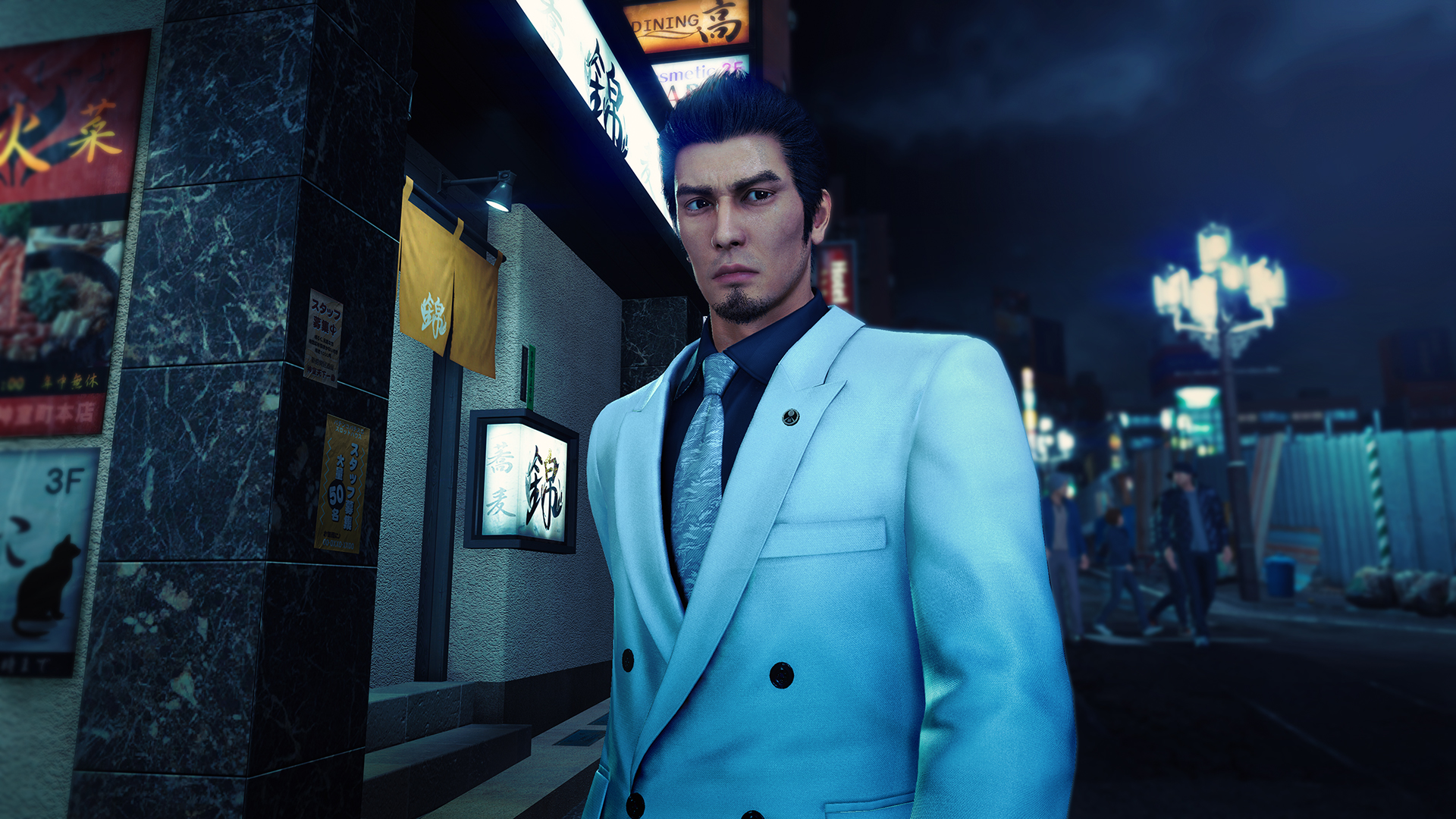
Yakuza 3 Kiwami sees Kazuma Kiryu back in action as he fights to protect those he holds dear. This reimagined edition of the 2009 classic features more intense battles, stunning depictions of Tokyo and Okinawa, extra cutscenes that add more weight to the story, and a host of endlessly entertaining minigames.
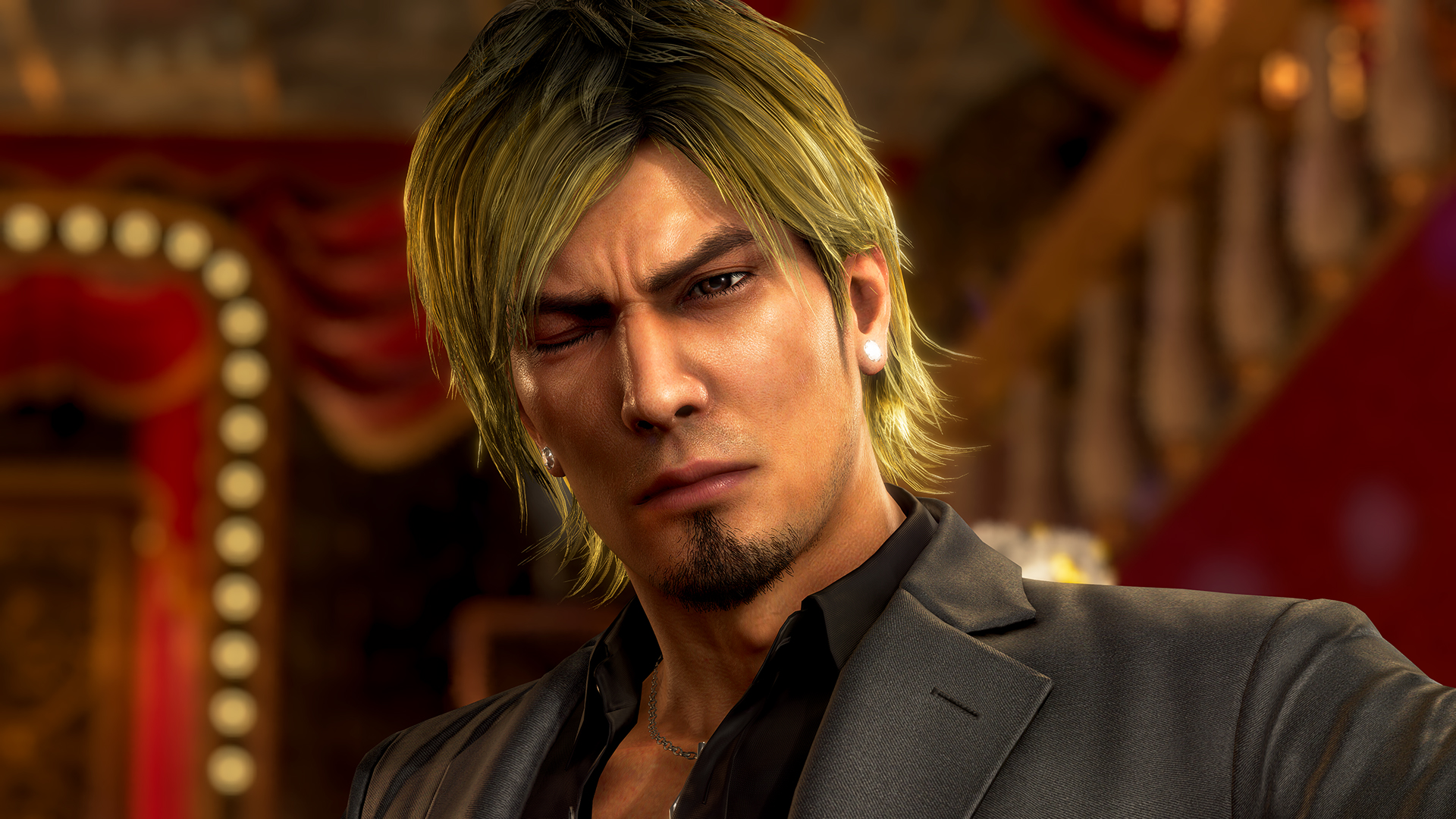
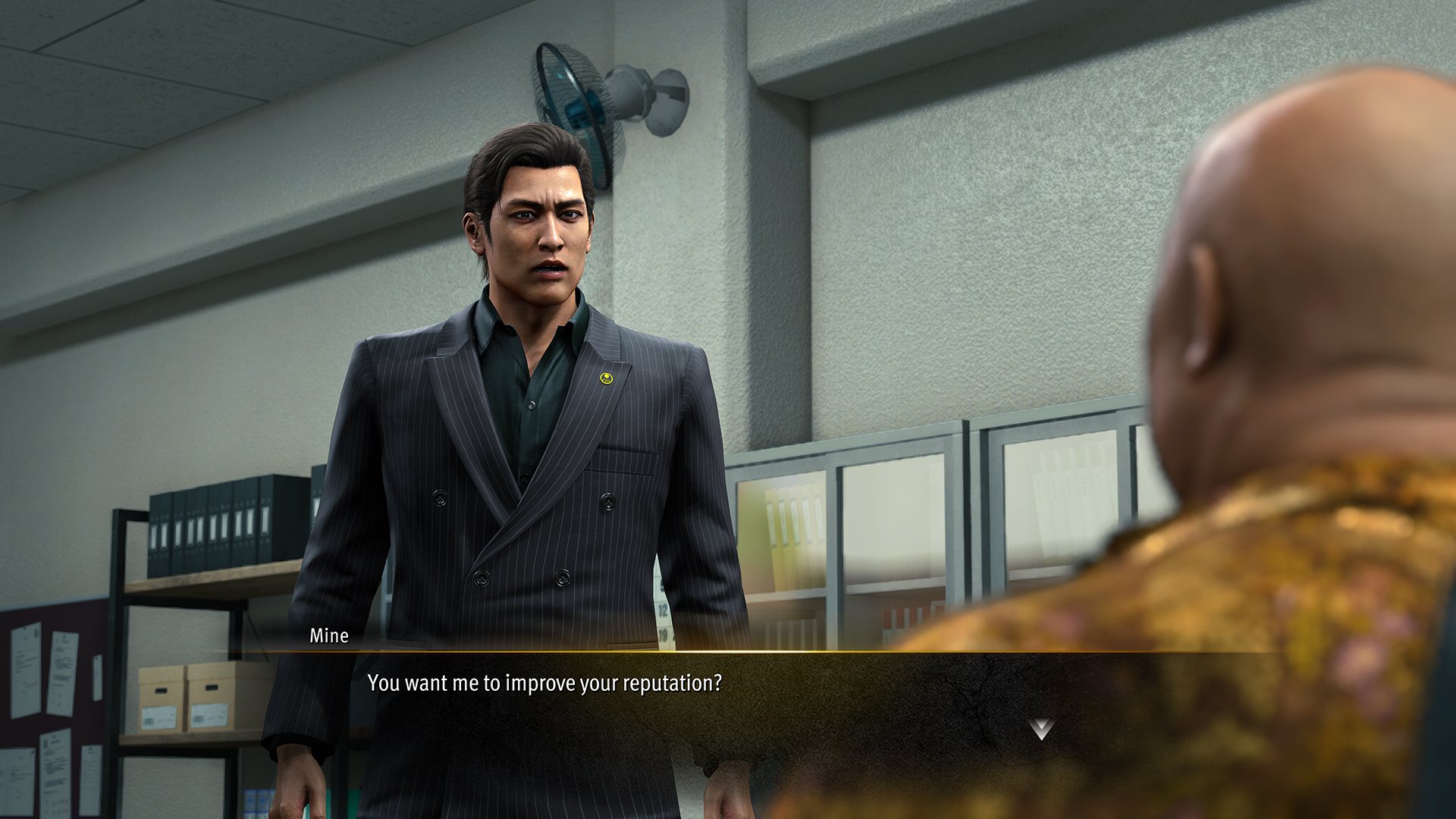
Yoshitaka Mine, Kiryu’s adversary, takes center stage in Dark Ties—a new story documenting his path from startup entrepreneur to hardened yakuza.
Yakuza Kiwami 3 & Dark Ties brings two yakuza epics into a single collection.
Yakuza Kiwami 3
BATTLE:Fight as Kiryu in His Prime Using Two Different Battle Styles
The ultimate evolution of the classic Dragon of Dojima style, featuring the most attack techniques in the series’ history. A bold, overwhelming brawler style that embodies the essence of Kazuma Kiryu’s iconic combat.
As always, Kiryu can pick up objects on the ground and transform them into powerful weapons!
A battle style rooted in Okinawan martial arts. Its base stance utilizes a Tinbe and Rochin, a traditional shield and short spear. Simply mash or hold down the buttons to weave in flashy Sai, Nichogama, Tonfa, Tekko, Nunchaku, Eiku, and Surujin attacks.
Shield yourself from incoming bullets with the tinbe and turn the tide of battle!
Life at Morning Glory:Spend Time With The Kids and Become The Best Caretaker Around!
Download the image
Download the image
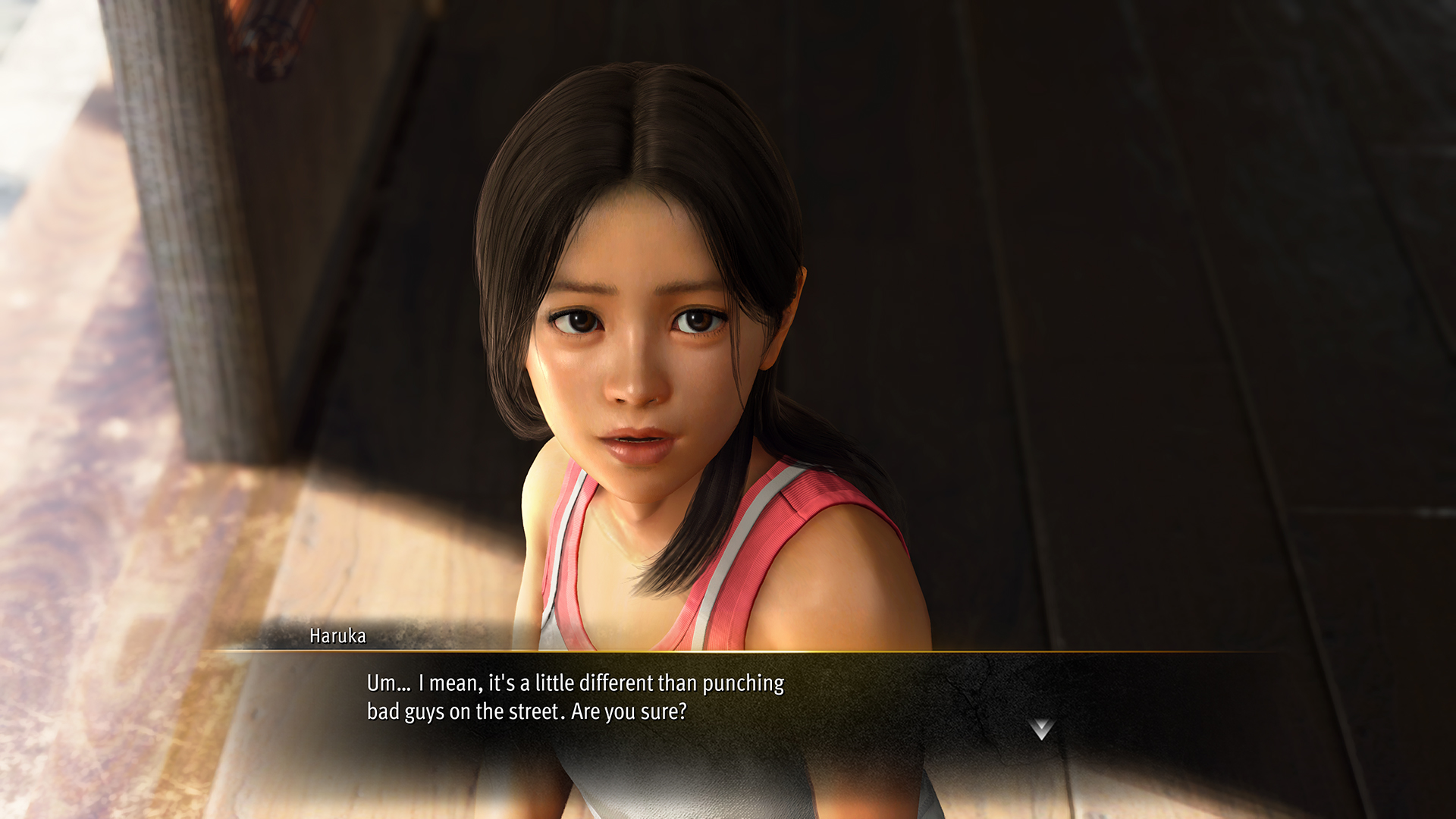
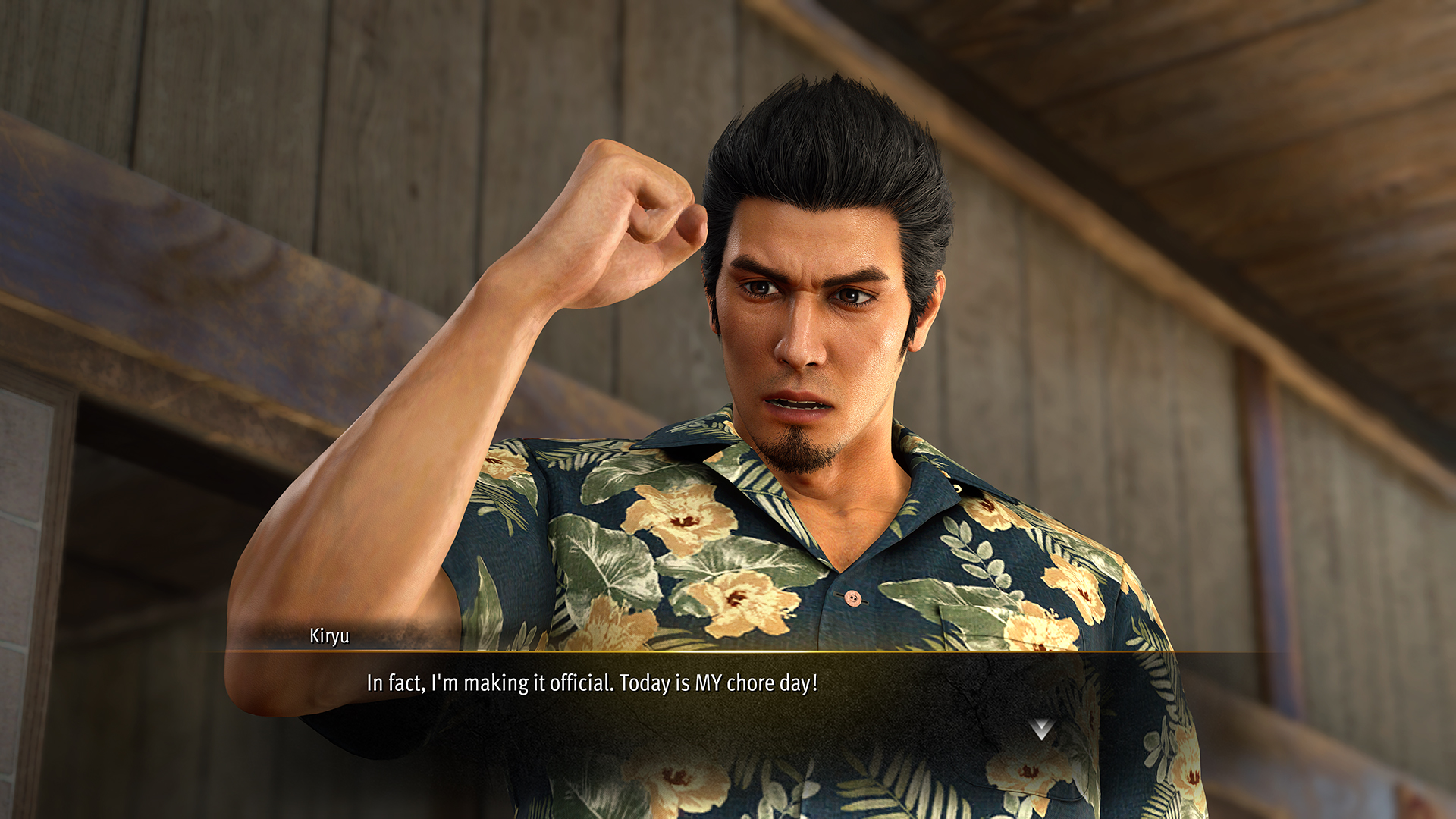
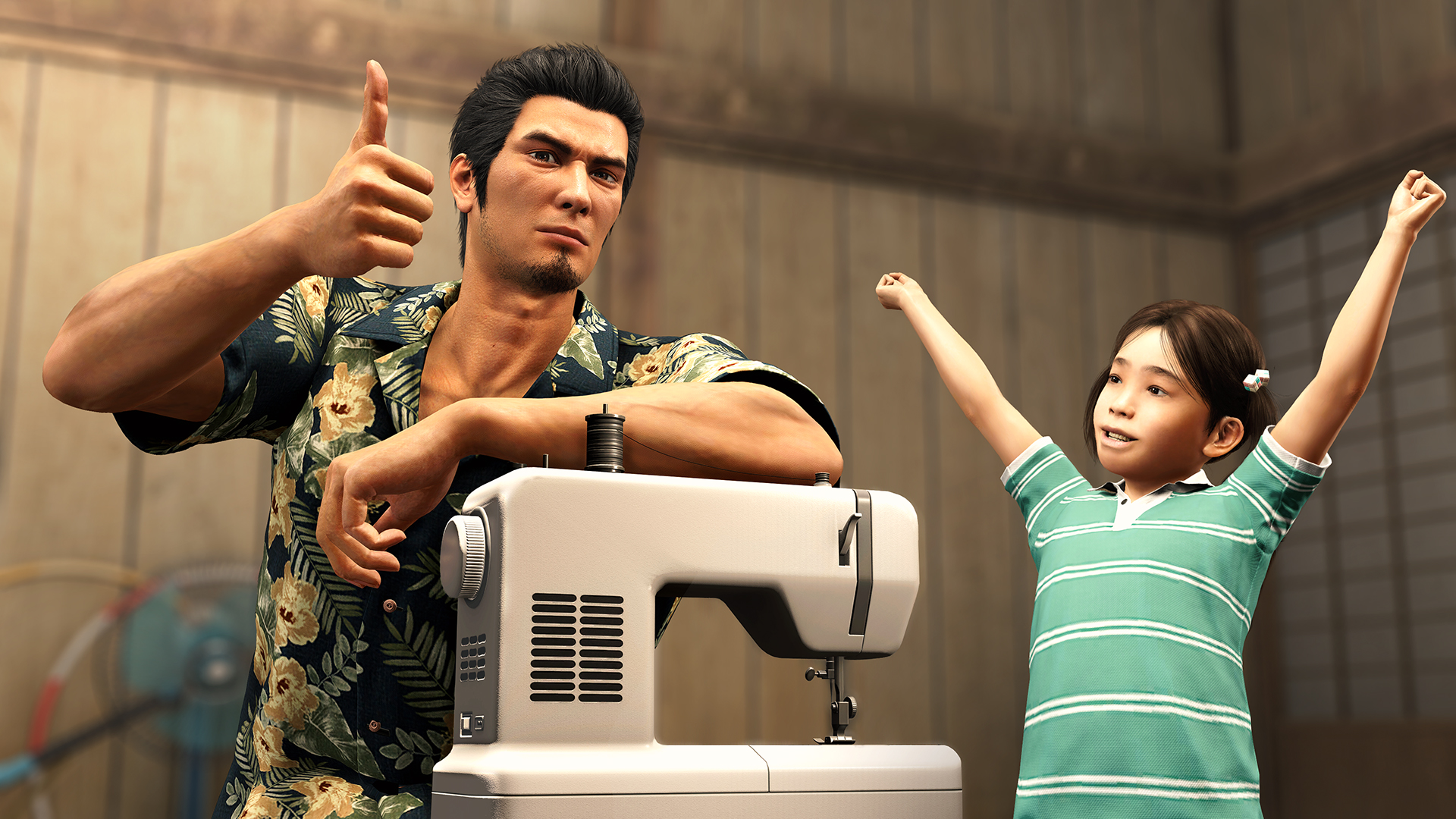
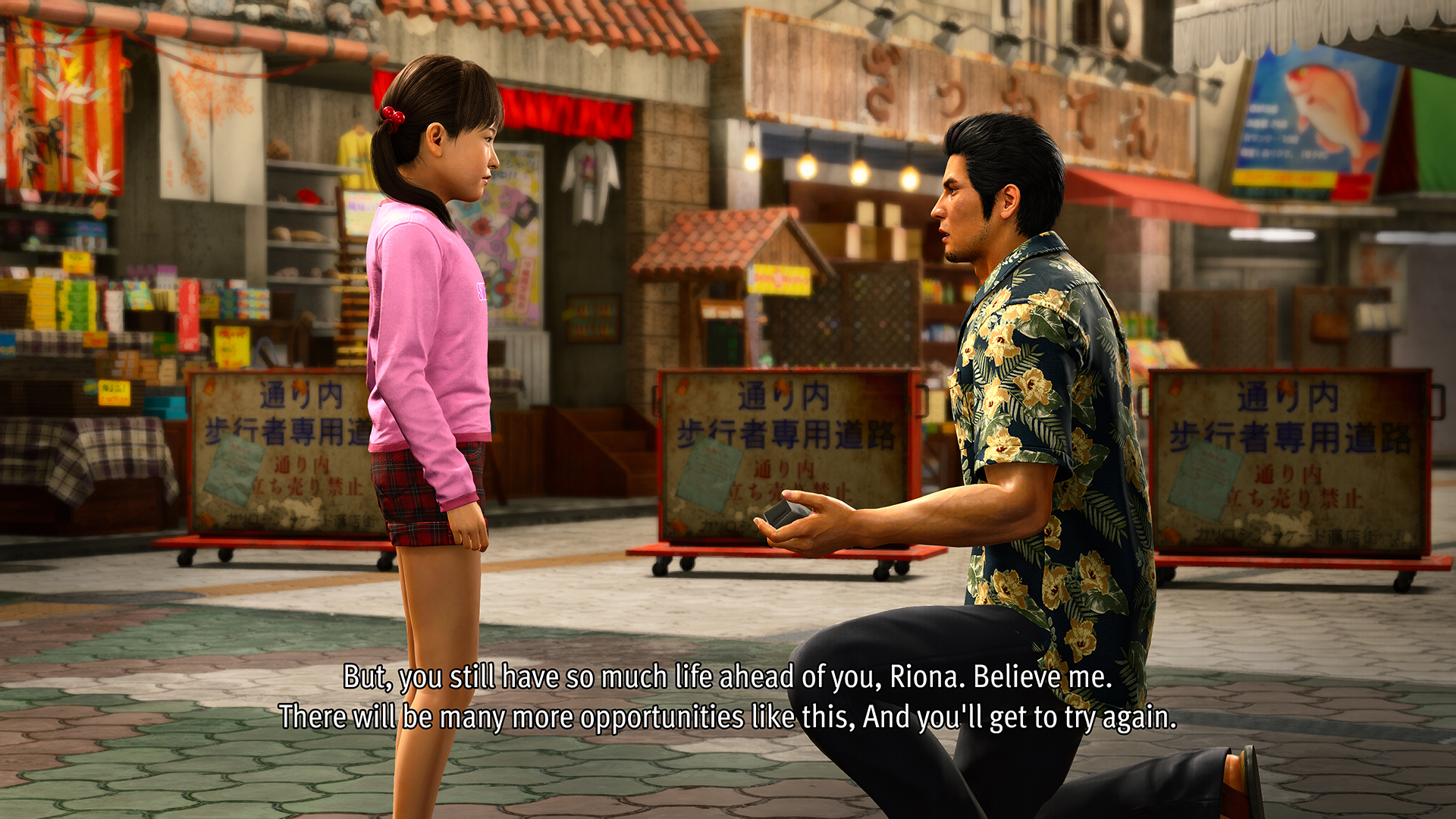
With Kiryu becoming the manager of Morning Glory Orphanage, it’s your job to look after the children who reside there. Together, you’ll cook, tend to a home garden, help them with homework, fish, and even go bug-catching.
Download the image
Download the image
Download the image
Download the image
You can make Kiryu stronger by doing chores and interacting with the orphans. As you become more fatherlike, you’ll discover an even larger range of activities.
Daily interactions with the children will also unlock heartwarming substories for each of them. Experience a whole new side of Kiryu as he comes face-to-face with their hopes and dreams!
Bad Boy Dragon: Assemble a Motley Crew of Delinquents and Rule the Streets!
Download the image
Download the image
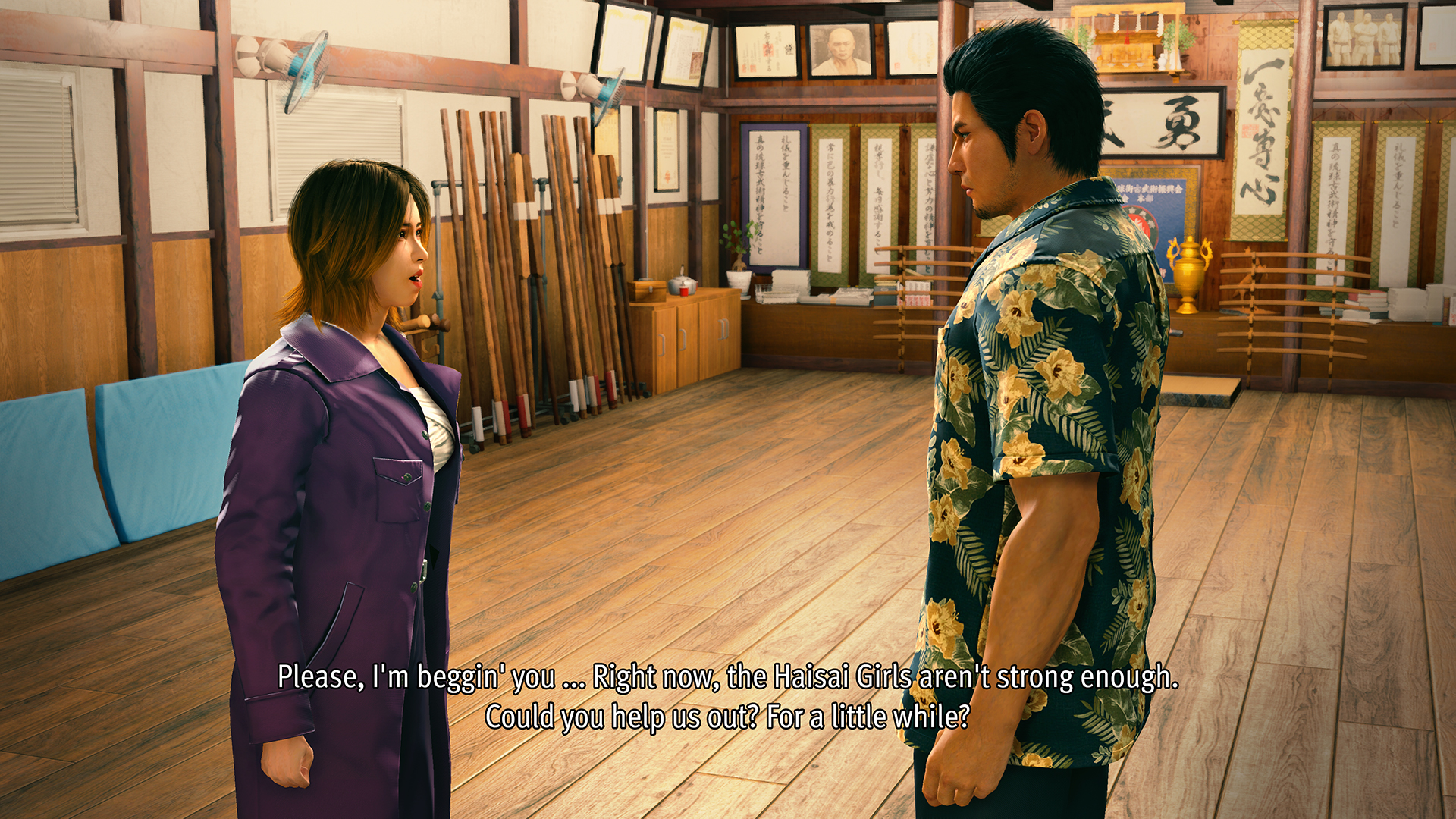
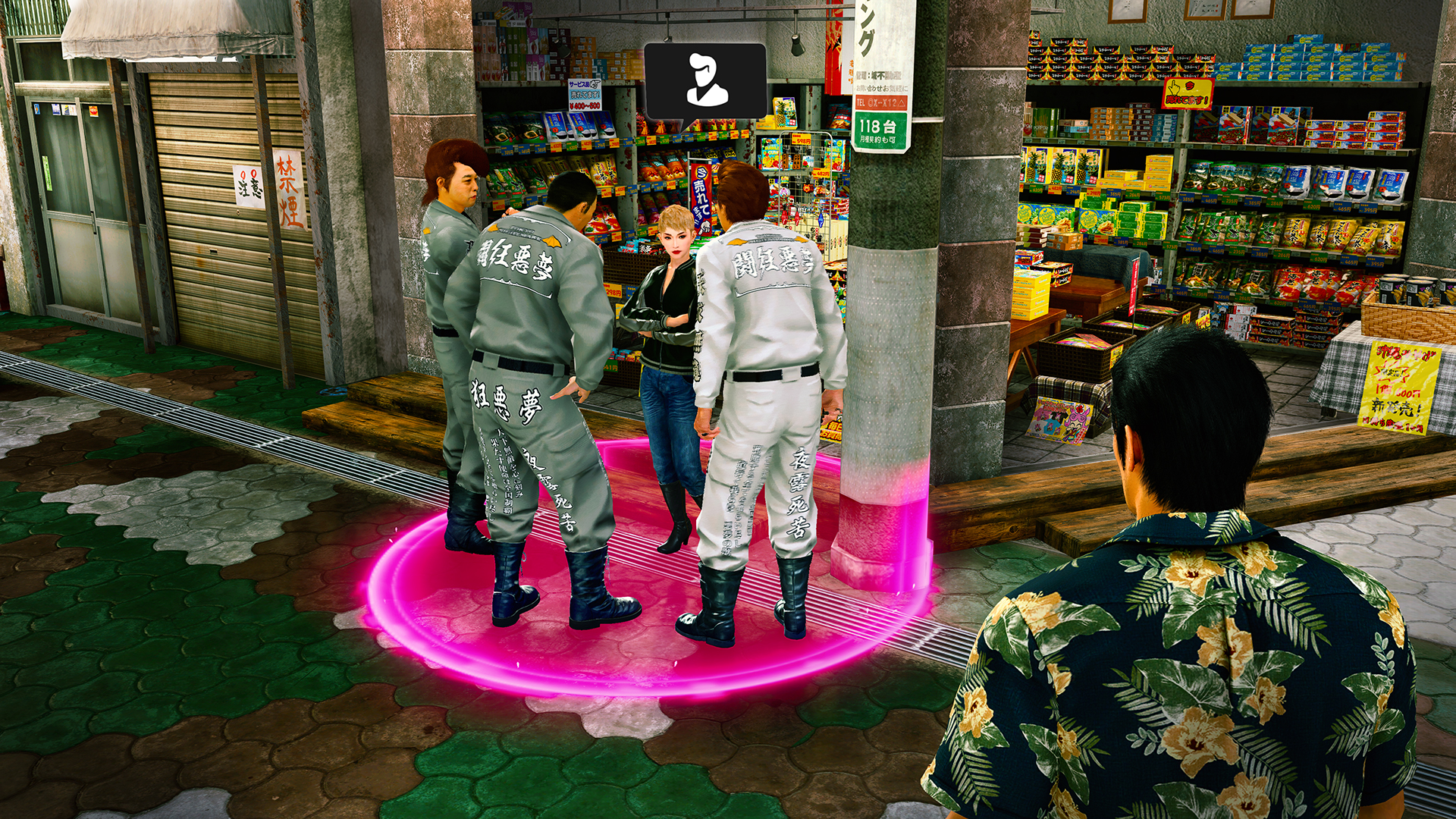
Join the small-time Haisai Girls gang and protect Okinawa.
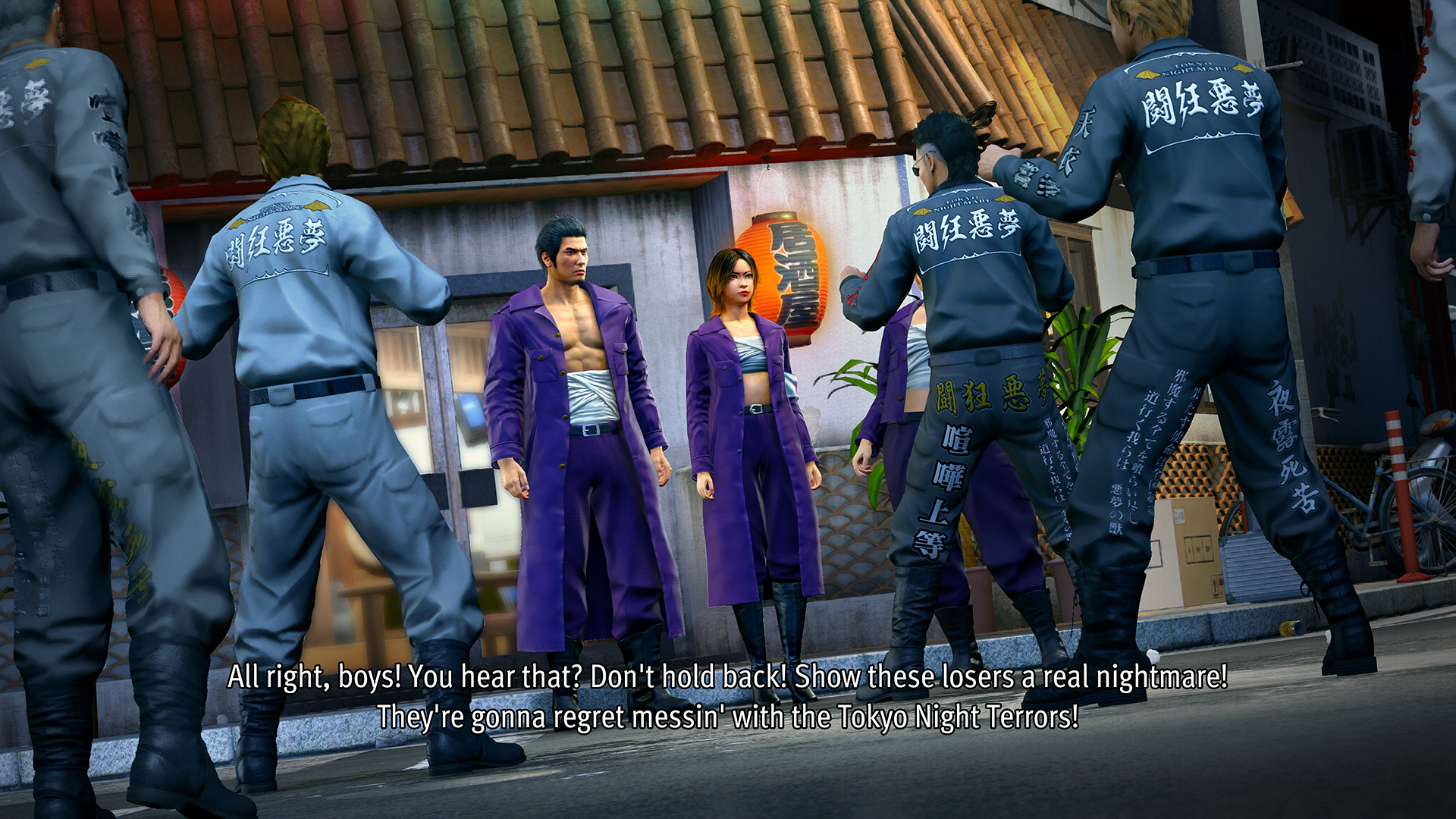
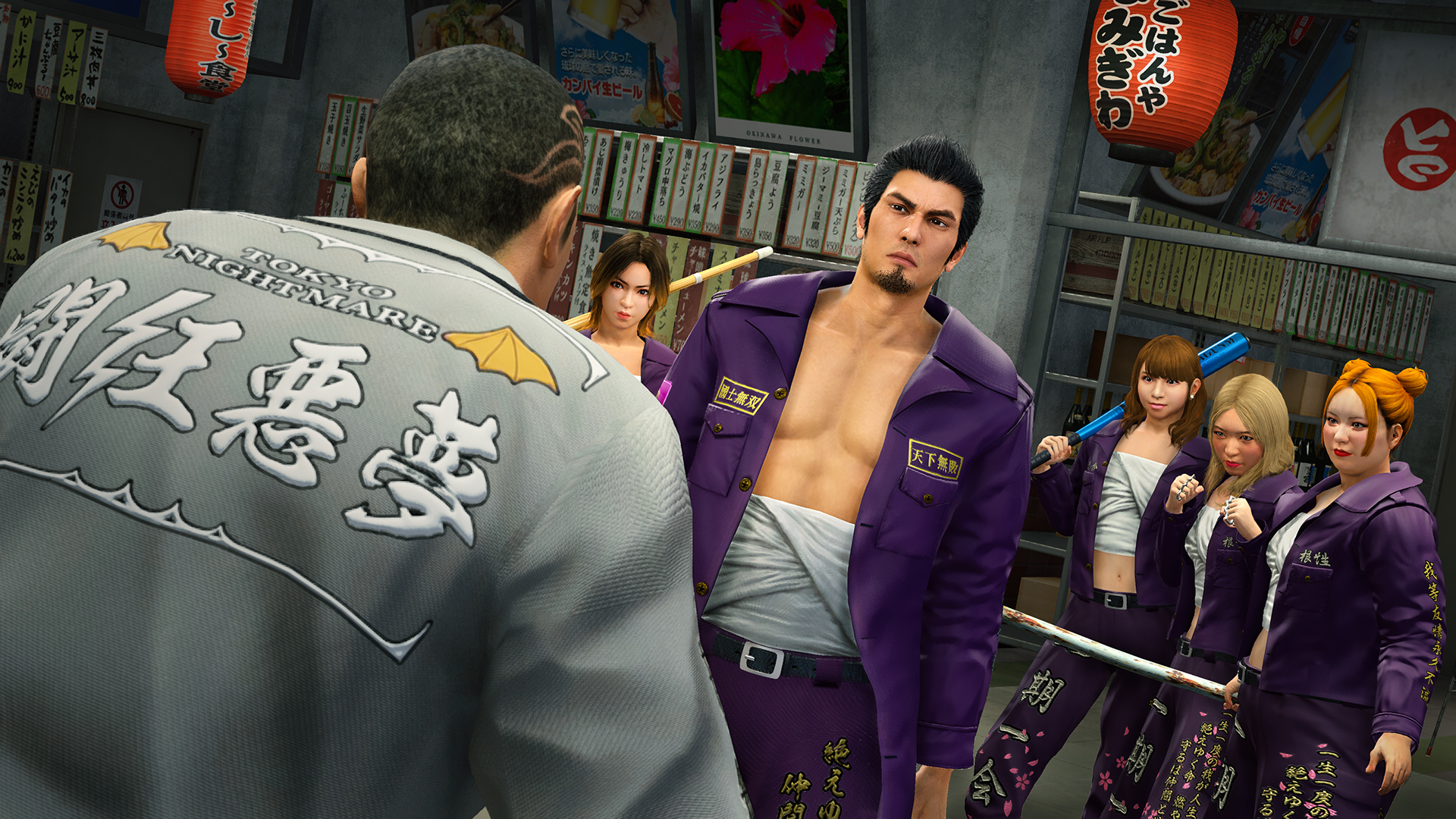
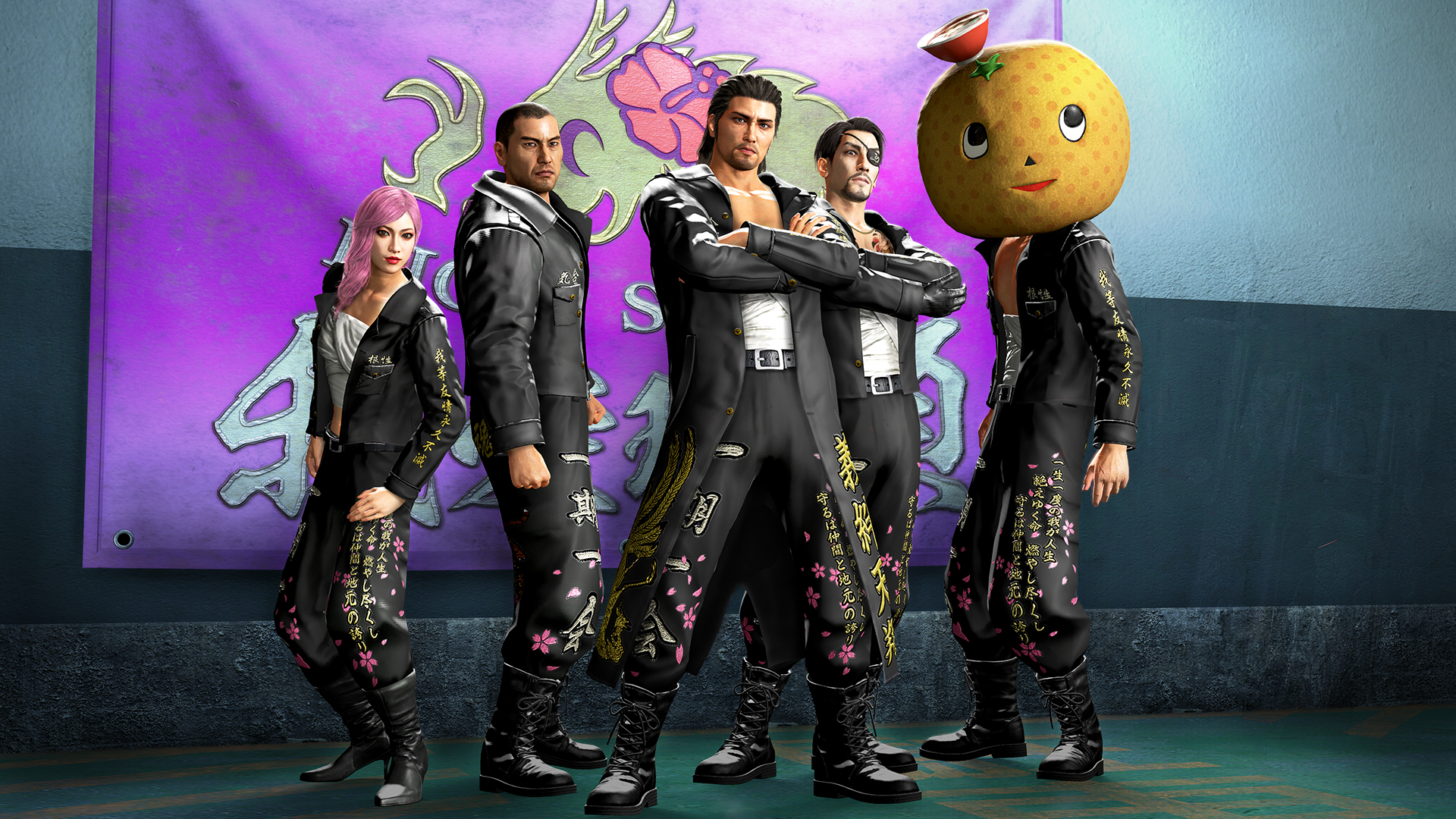
With the Tokyo Night Terrors wreaking havoc in the streets, Kiryu must step forth as the gang’s new leader, gather allies, and train the Haisai Girls into the leading girl gang in Japan.
Download the image
Download the image
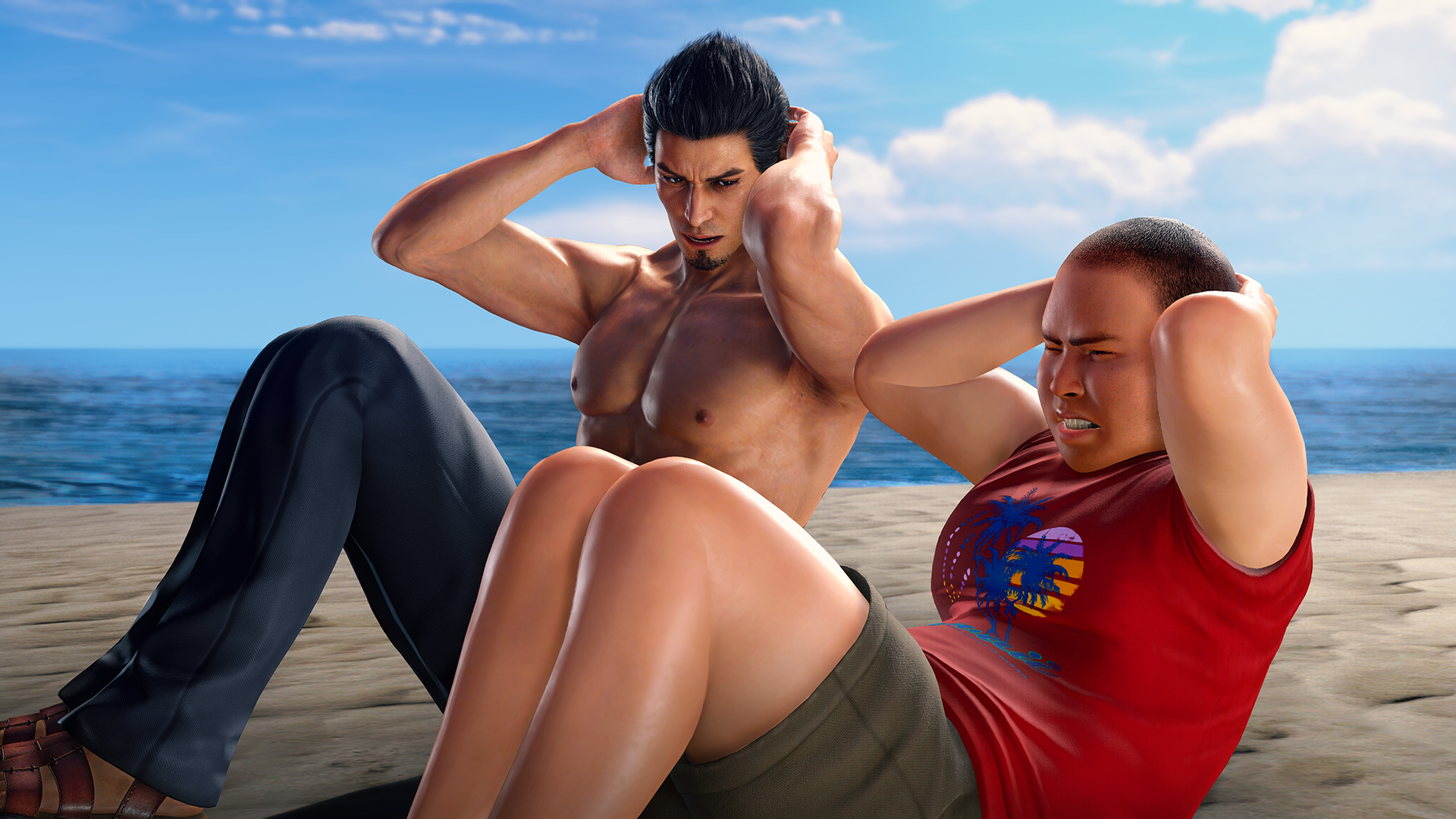
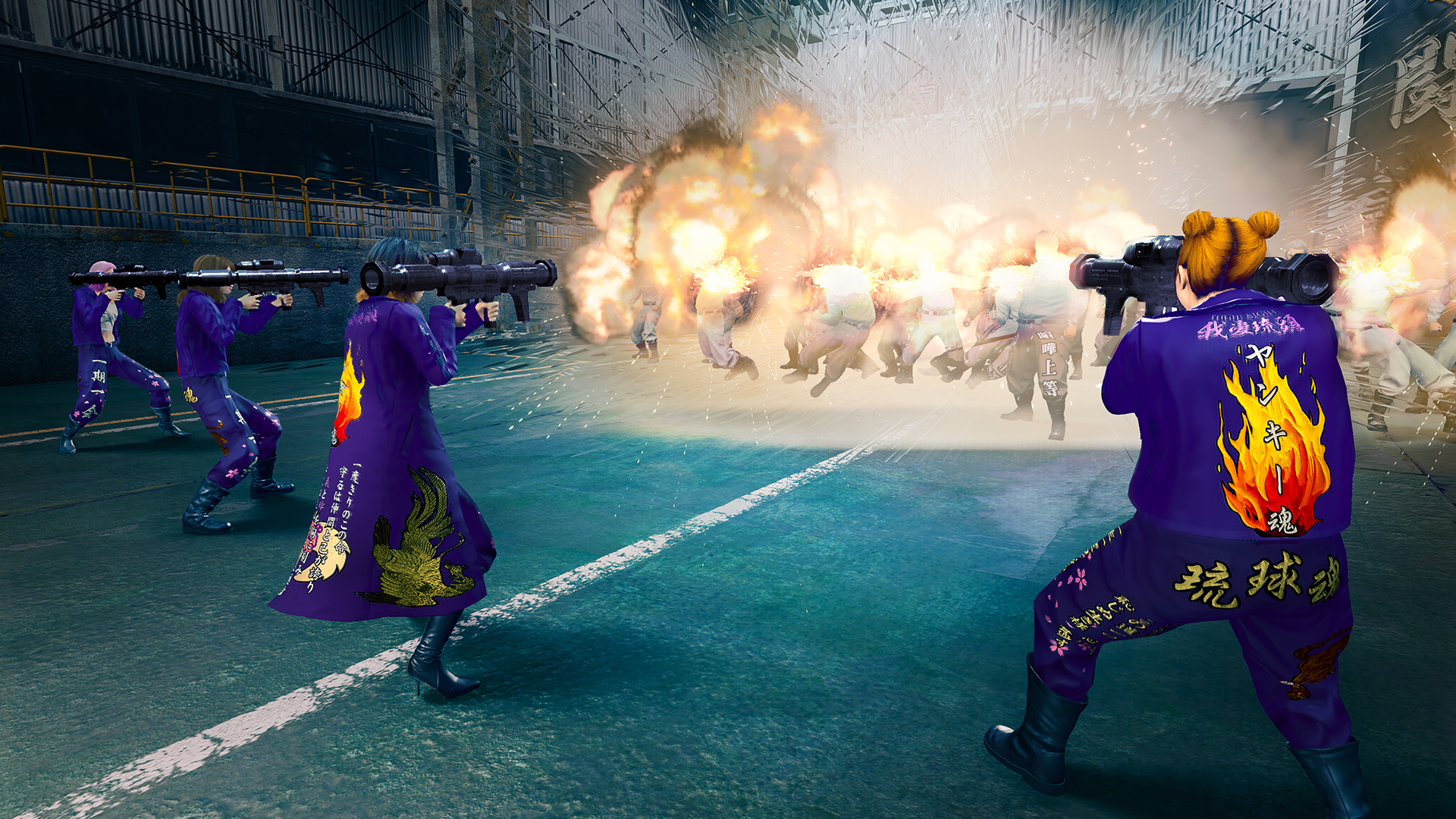
Fight alongside 5 allies in Baddies Battles, gear up 20 of your gang members for massive Rumbles, and take on various other challenges.
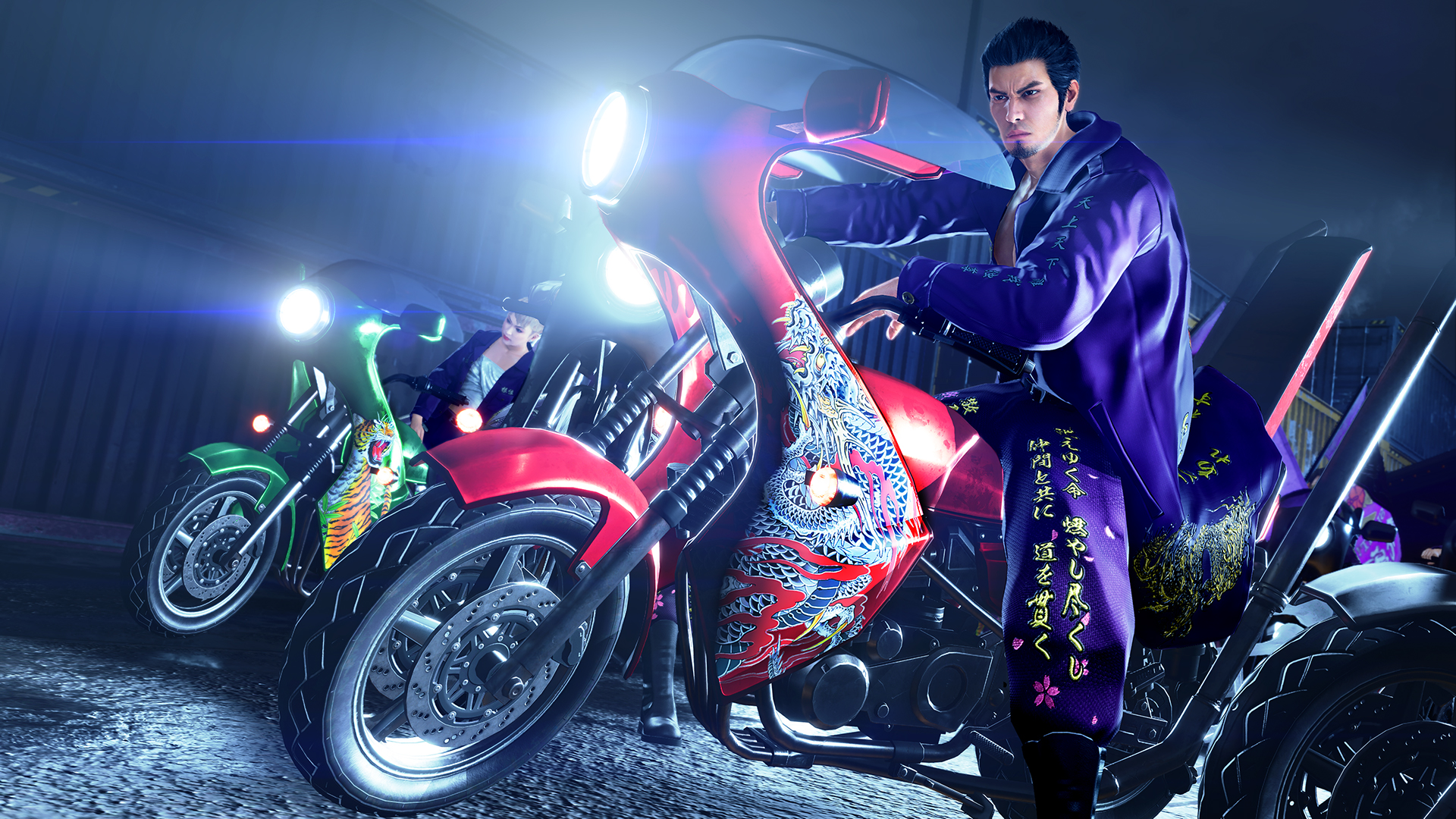
Hop on your motorcycle and charge the enemy base in strategic skirmishes featuring unparalleled spectacles.
Download the image
Download the image
As you build your team, you can make them stronger by buying new weapons and upgrading their uniforms and bikes. Put together the ultimate squad and protect the peace of Okinawa! Join the small-time Haisai Girls gang and protect Okinawa.
substories
Download the image
Download the image
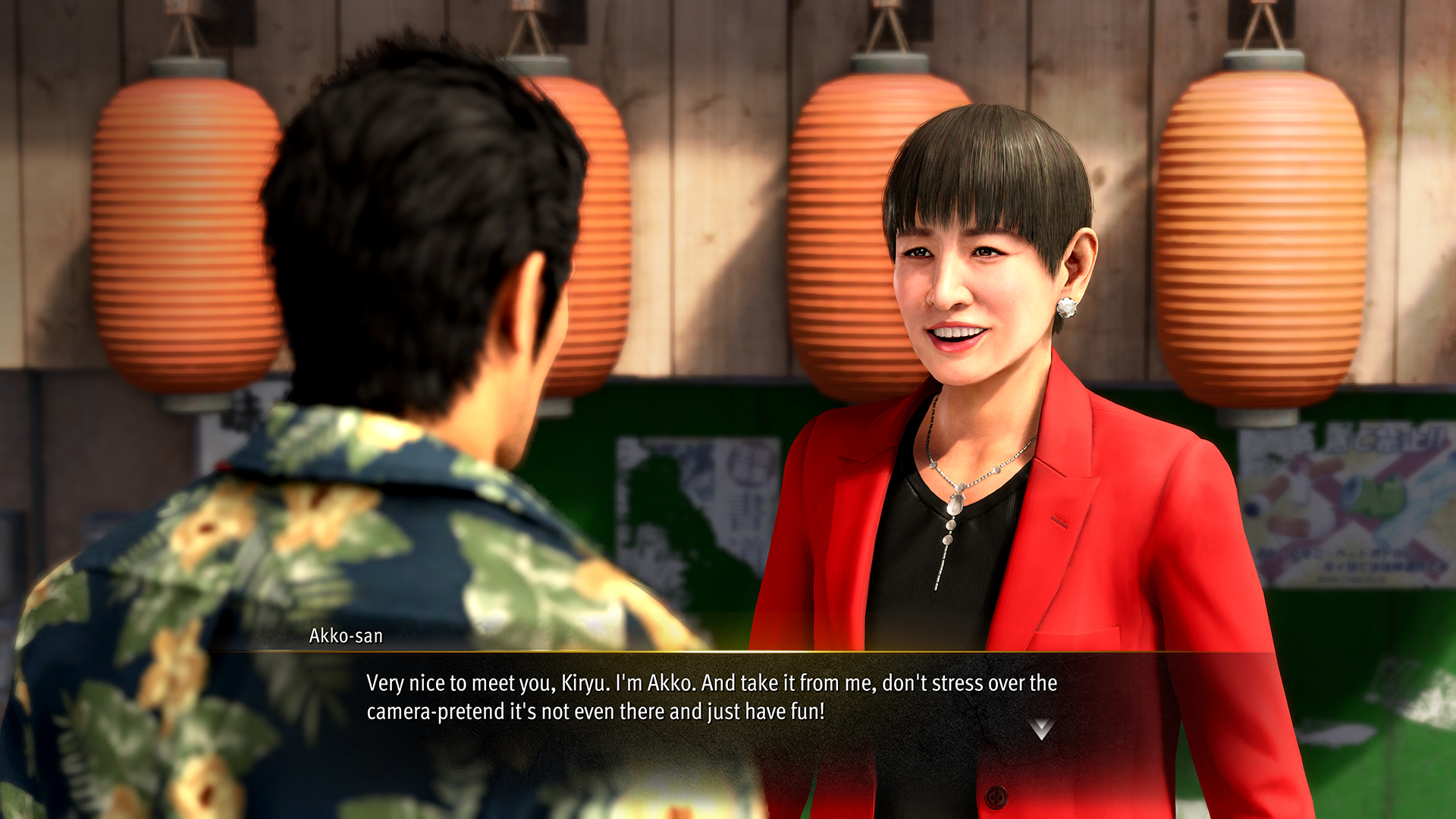
One of the highlights of Yakuza is its compellingsubstories featuring the town’s residents. Here’s a taste of the excitement!
Dark Ties
Mine’s Brutal Combat Techniques
Download the image
Download the image
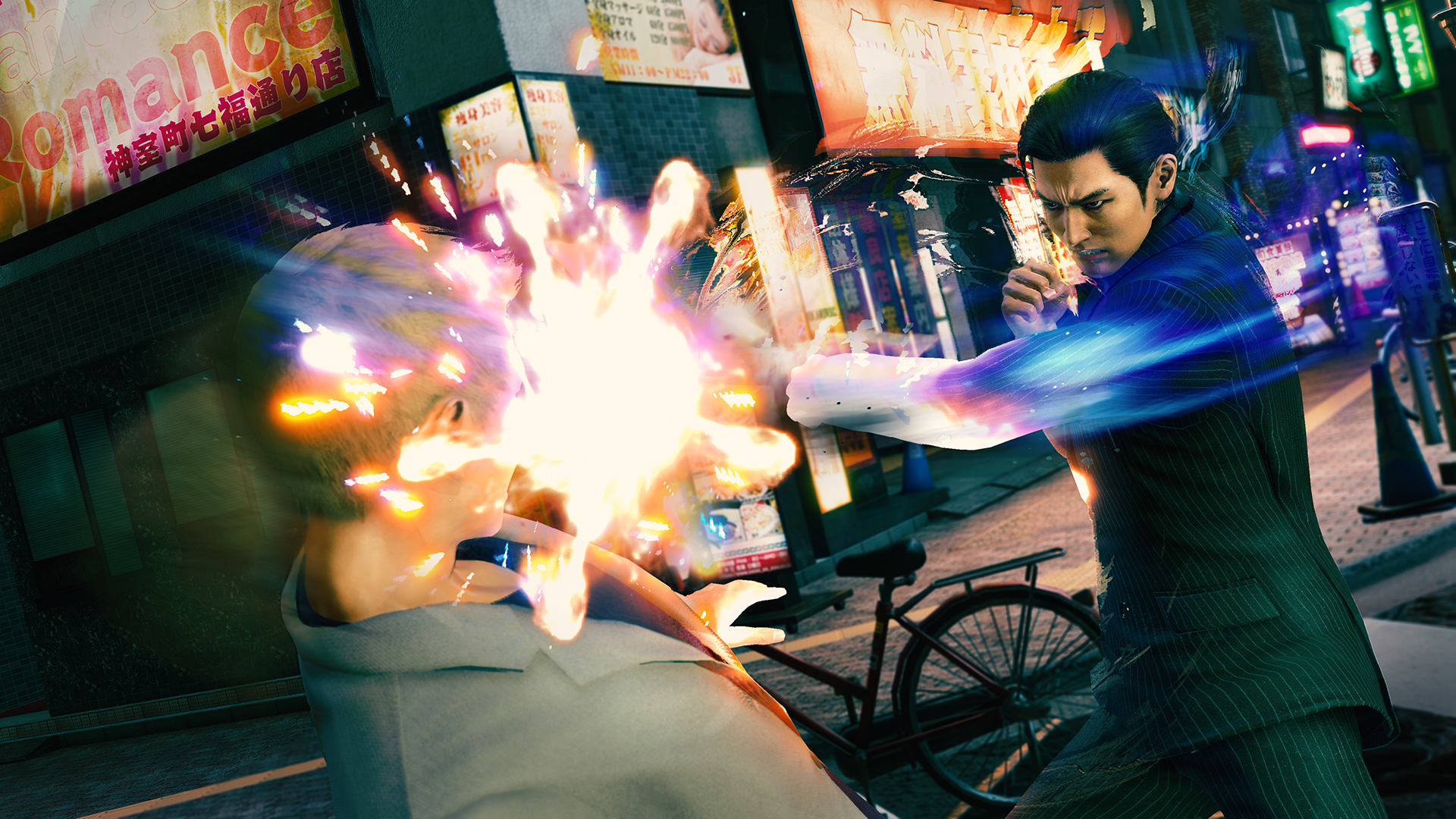
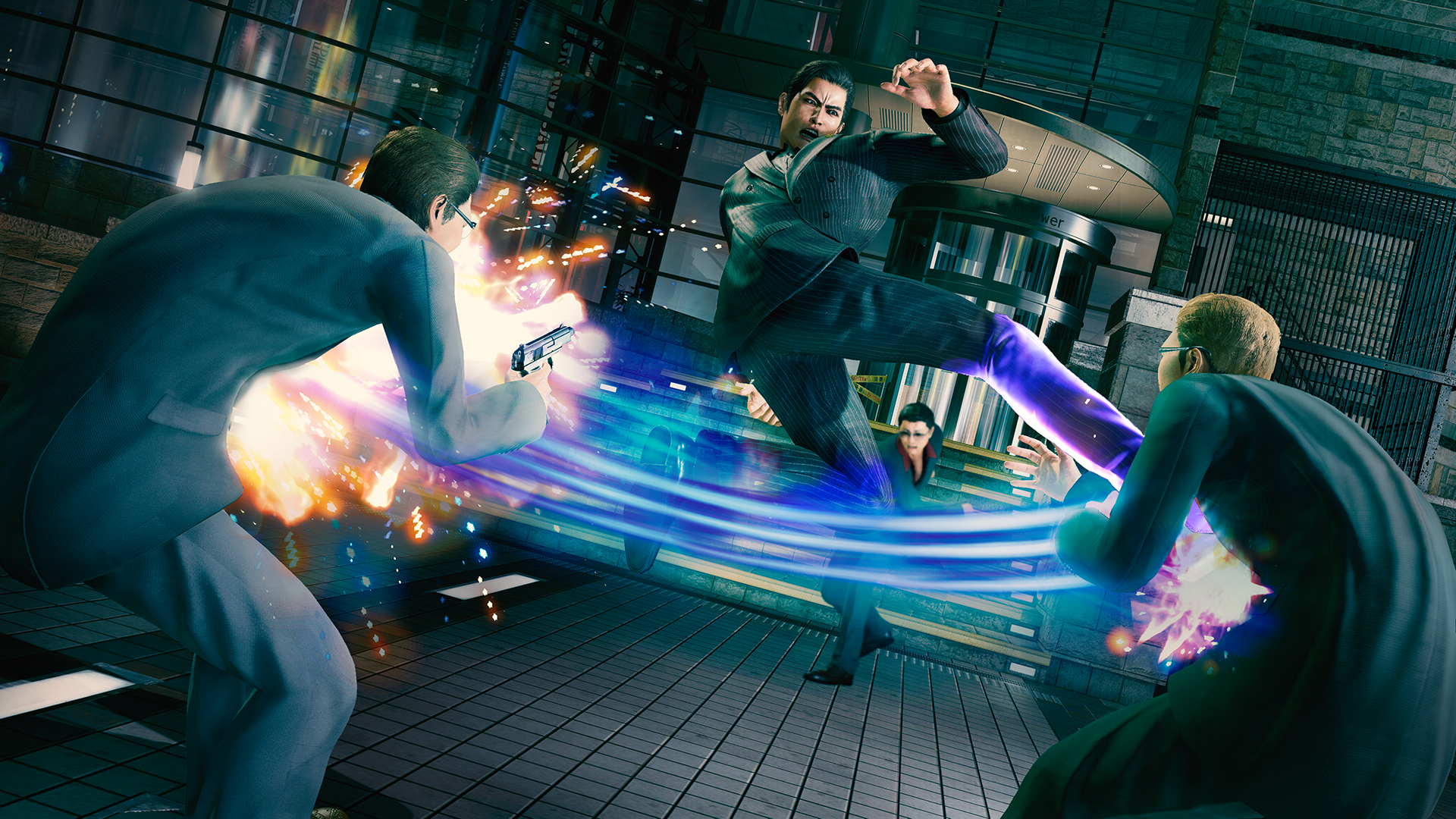
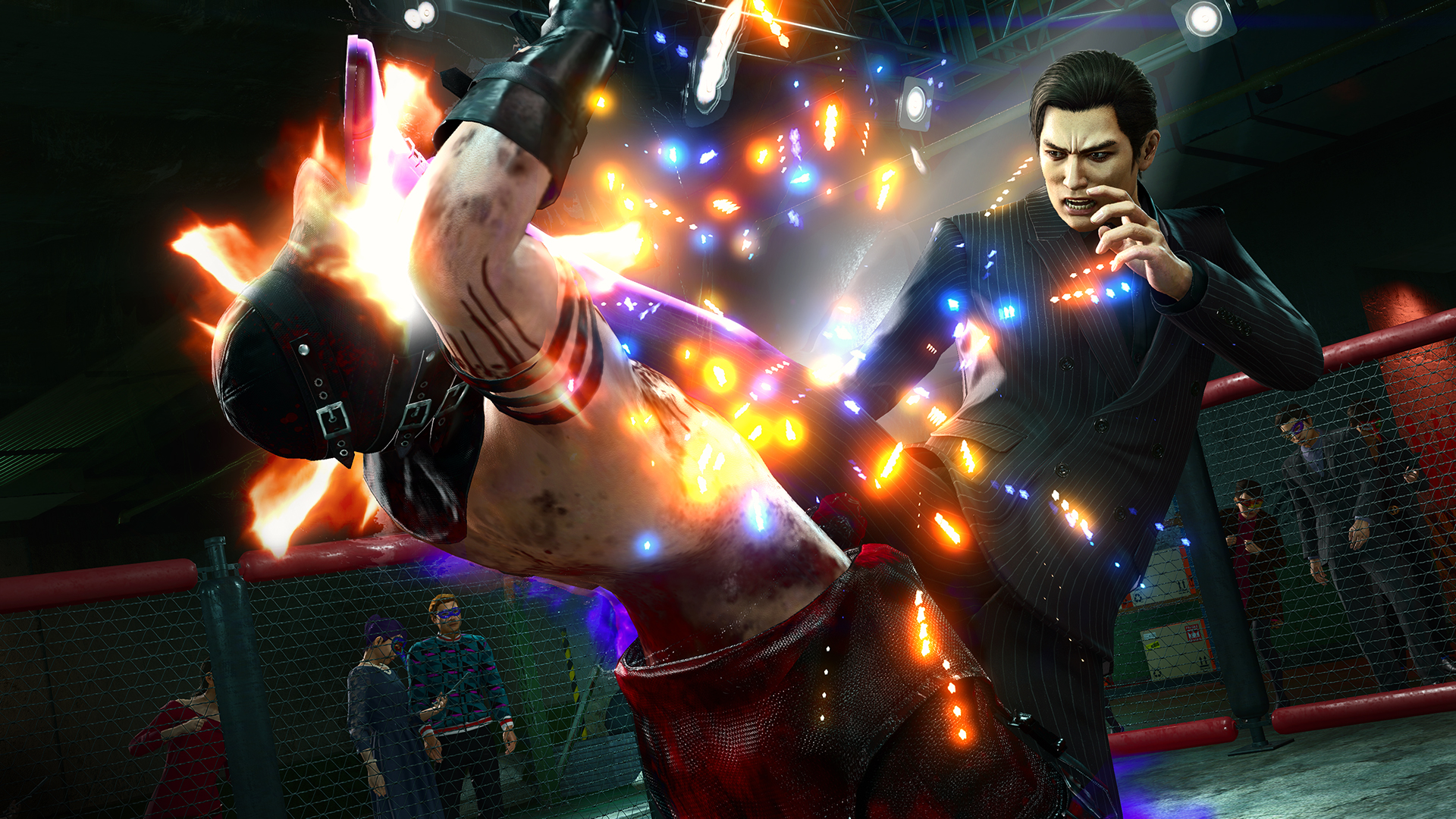
Mine uses an elegant fighting style based on shoot-boxing. Exploit openings in your opponent’s defense to deliver refined combos and beat down enemies. Dash freely through the air to overwhelm foes with unpredictable movement.
Download the image
Download the image
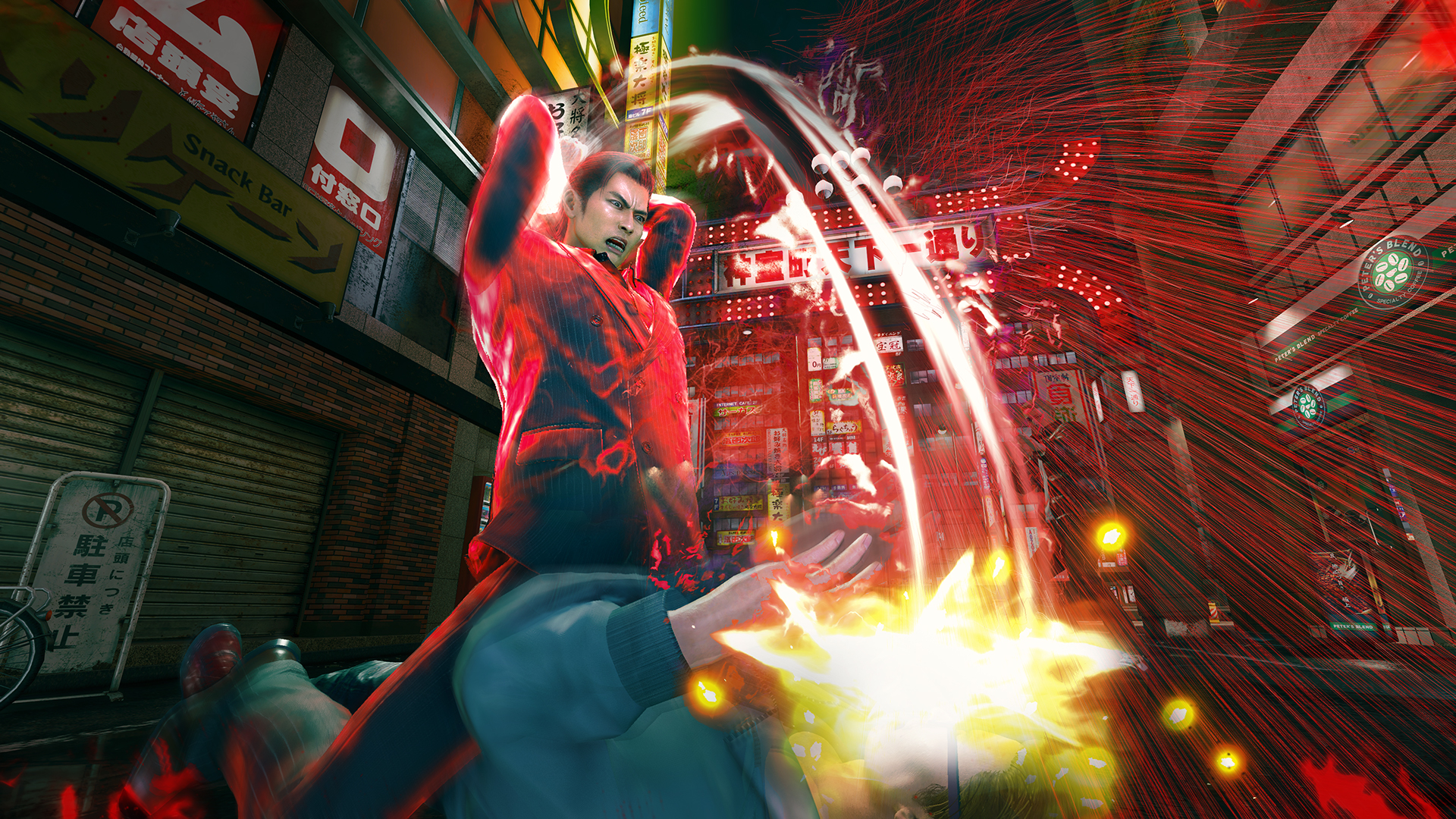
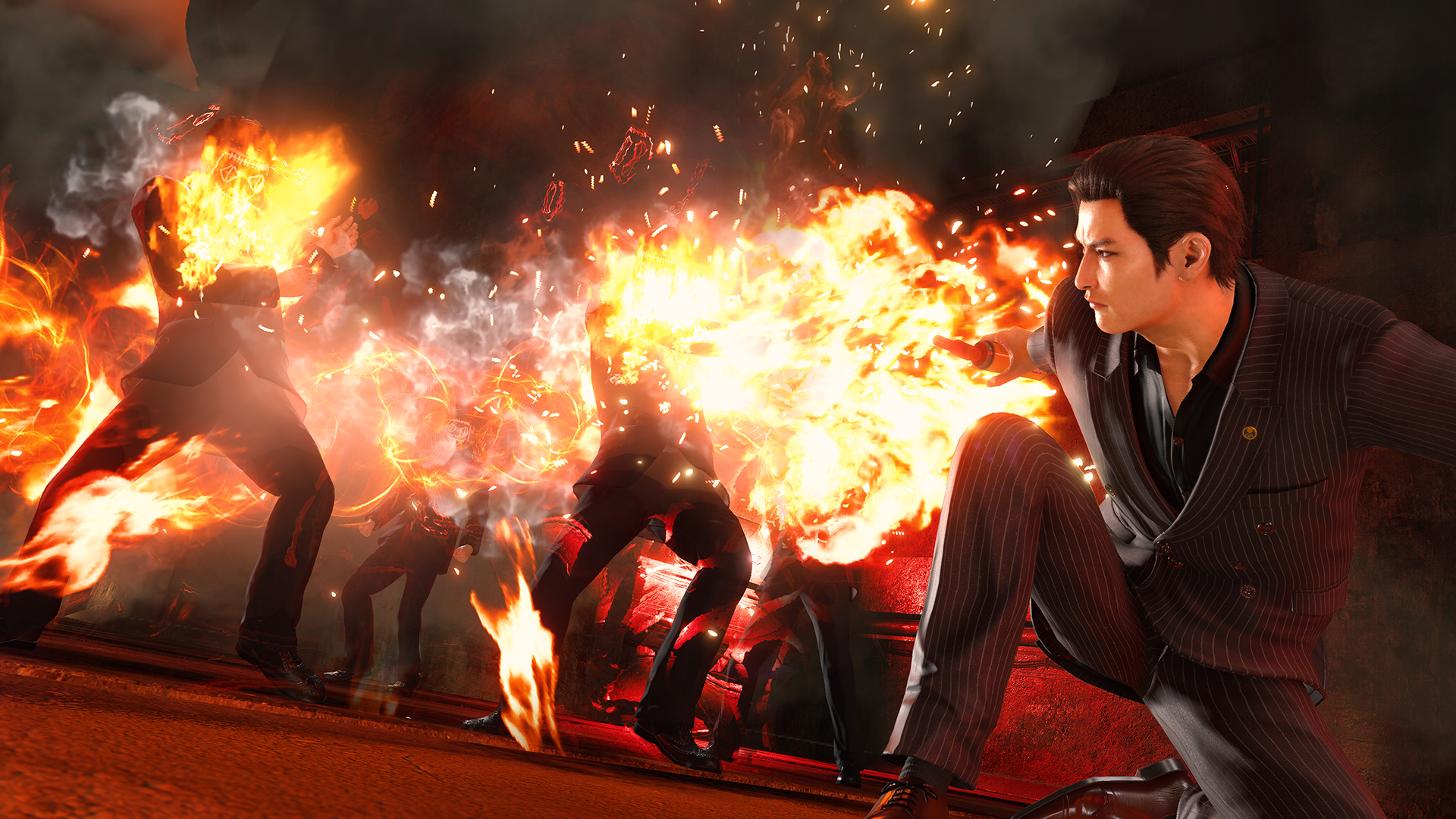
Using Dark Awakening, Mine drops his facade, revealing his true ferocity and transforming his battle animations and techniques. Go berserk, drag your opponent’s faces along the ground, and brutalize them with a storm of relentless strikes. Let your dark side loose and go wild in battle!
Mine possesses many stylish, cold-blooded Heat Actions, including an all-out barrage to the face and a brutal gut punch. During Dark Awakening, his Heat Actions evolve. Channel Mine’s inner darkness and obliterate his enemies!
Kanda Damage Control:Mine spearheads a major PR campaign
Download the image
Download the image
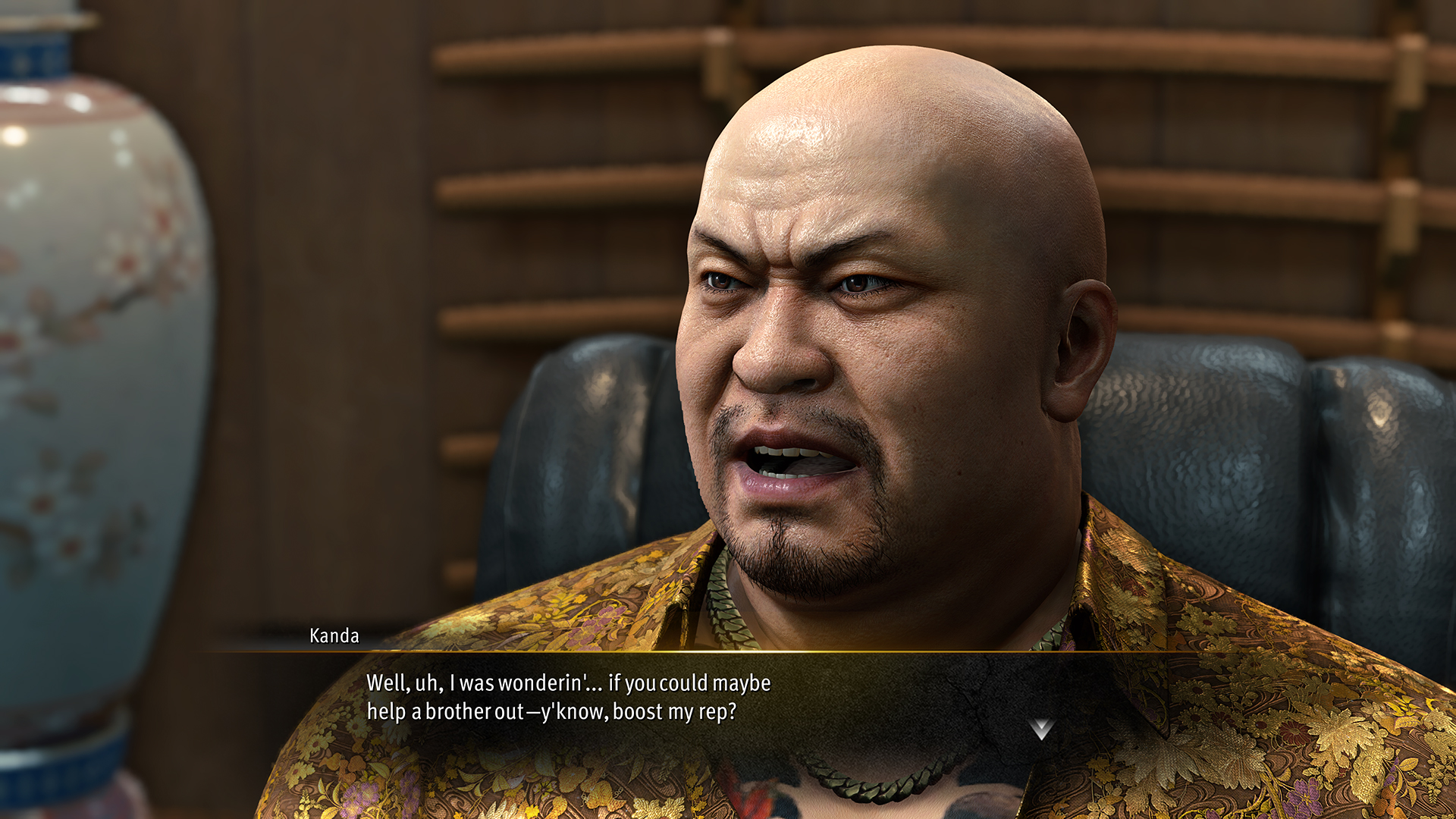
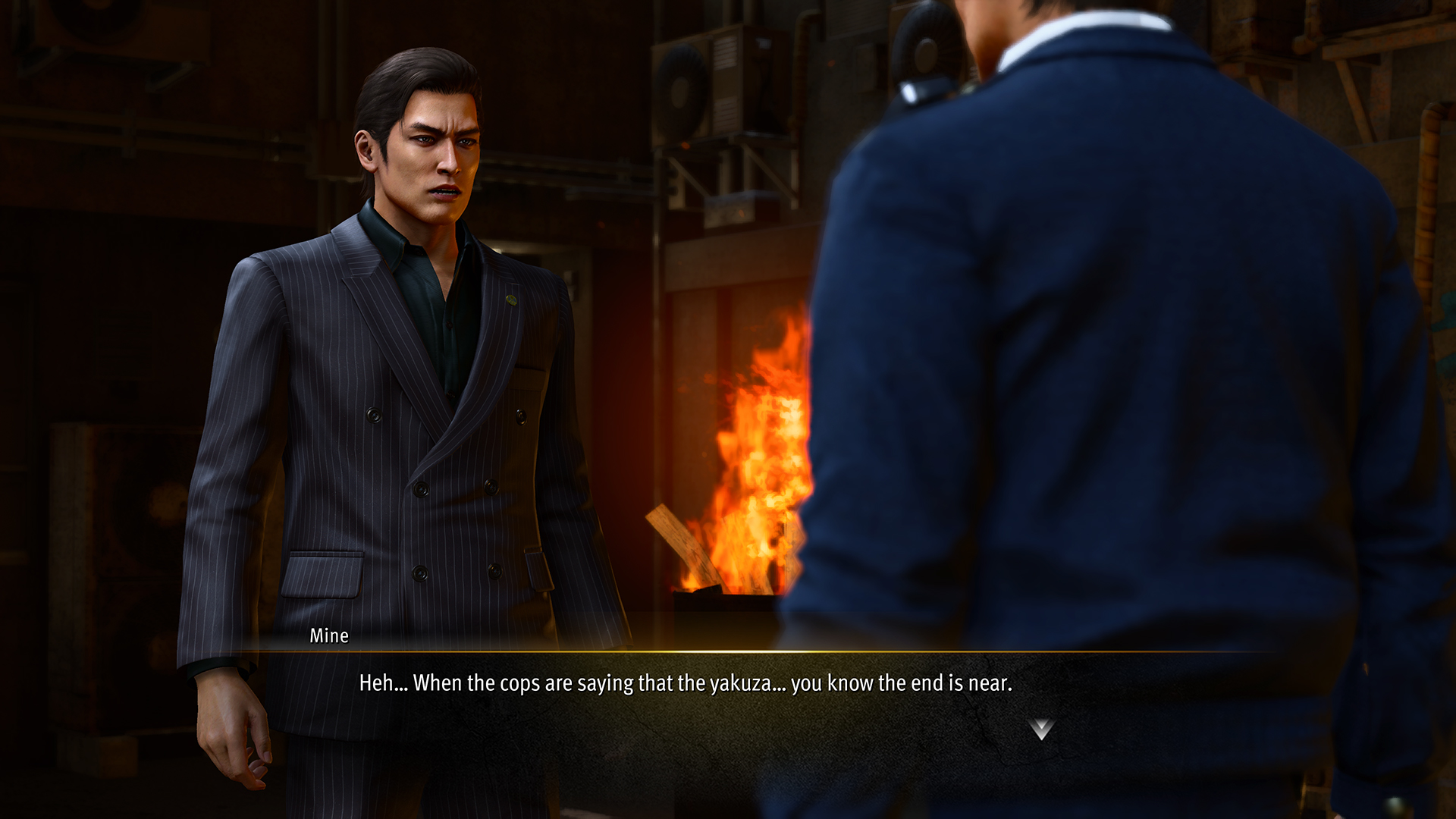
As Mine, you are tasked with turning Kanda’s image around so he can climb through the ranks. You’ll need to use wits and knowledge to tackle various requests and challenges on Kanda’s behalf.
Download the image
Download the image
Download the image
Download the image
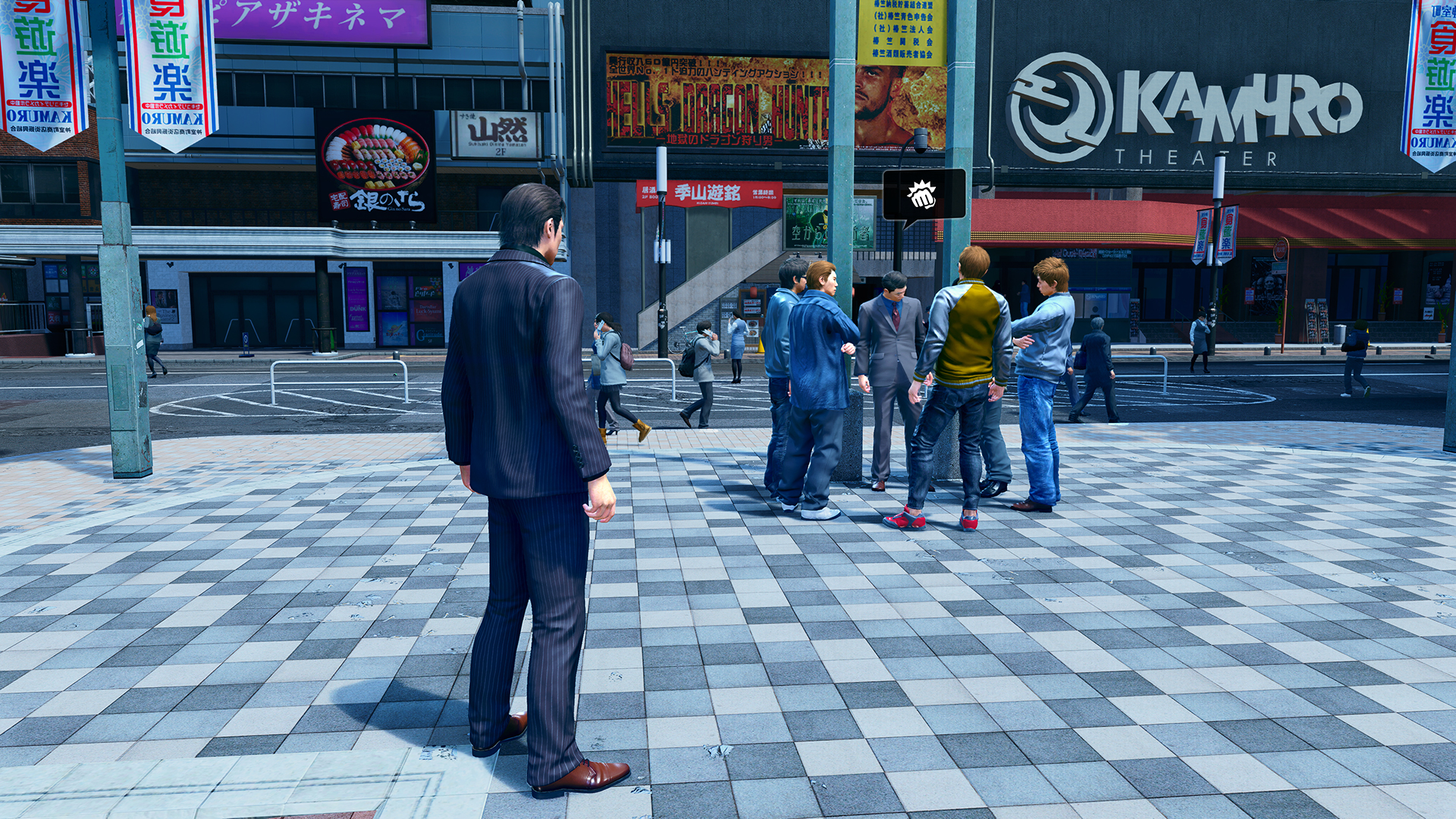
Many people around Kamurocho are saddled with woes. Solving their problems will boost Kanda’s public perception. You may also encounter people wrestling with some particularly heavy issues. You won’t want to miss how Mine deals with these problems!
Your progress in Kanda Damage Control will unlock Drink Links, which delve deeper into your relationship with Kanda.
Underground Fight Club:Survive a brutal game using brains and brawn!
Download the image
Download the image
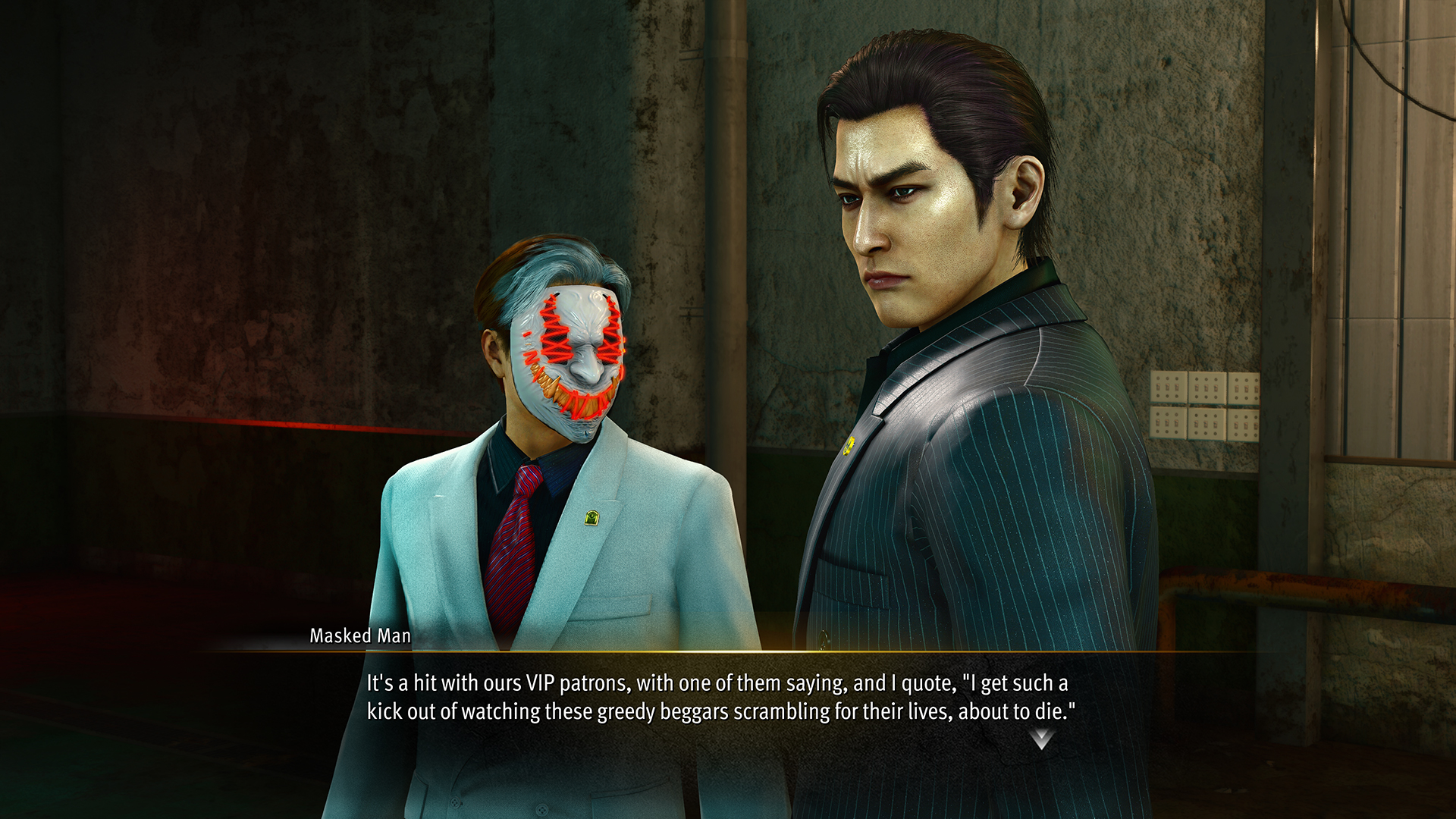
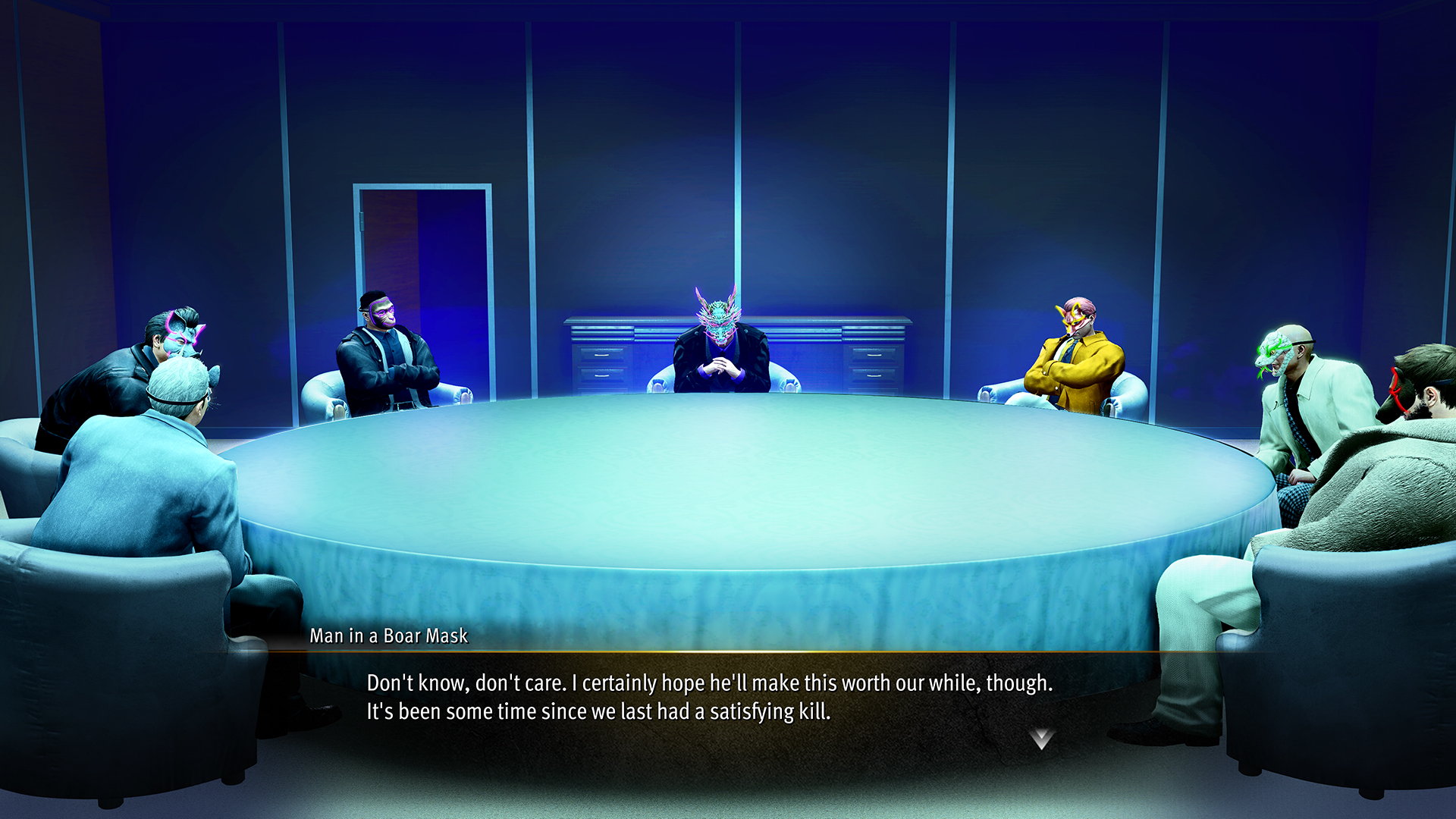
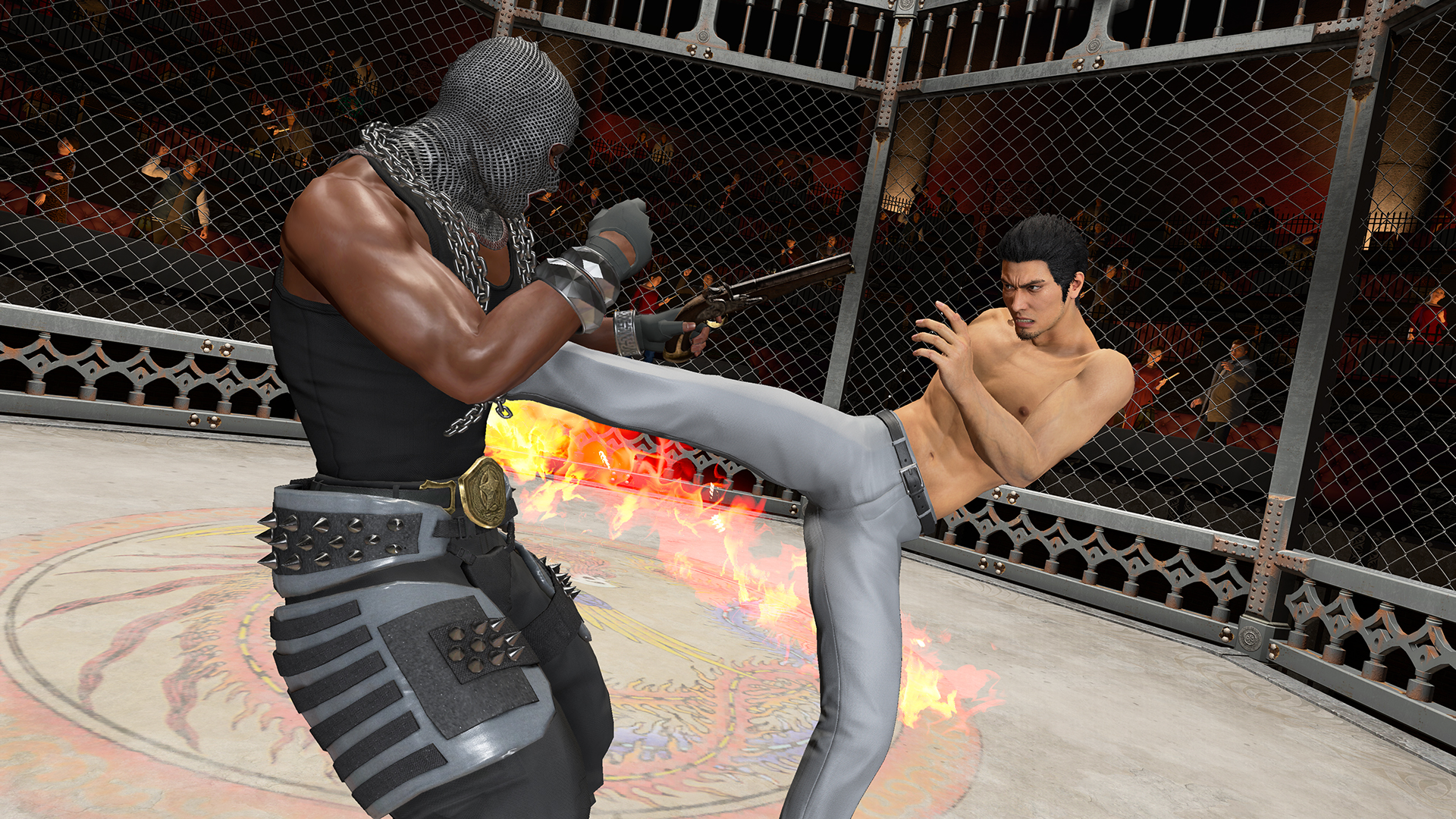
Hell’s Arena is an underground fight club in Kamurocho where VIP investors place extravagant bets on brutal competitions.
Each day, Hell’s Arena hosts Hellish Brawls that push participants to the brink and Survival Hells, dangerous races where competitors are relentlessly chased by hunters.
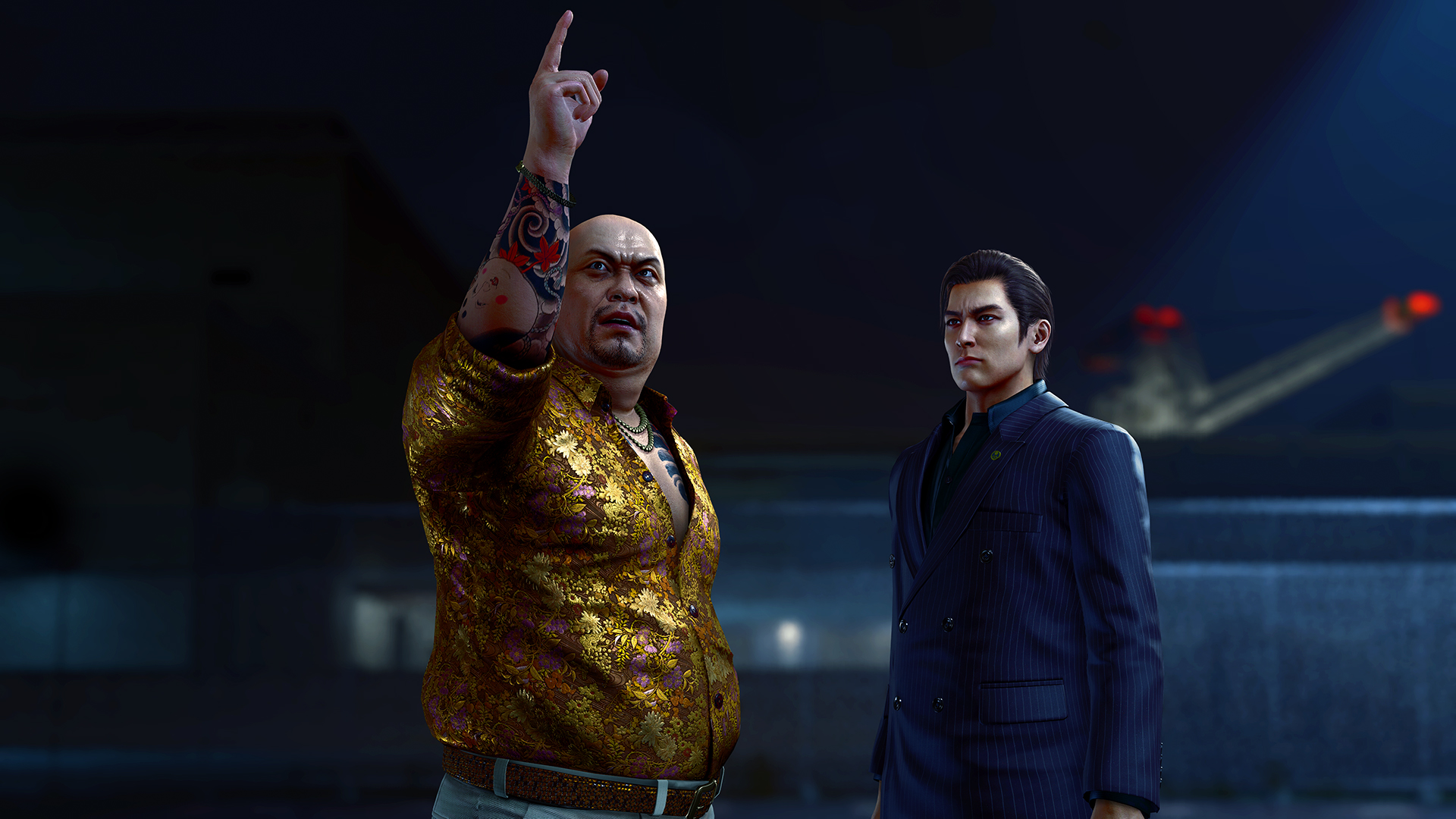
As the organizers of Hell’s Arena pose a major threat to the Nishikiyama Family’s business operations, Mine has decided to bring them down by entering the arena himself.
Download the image
Download the image
In order to succeed, he’ll need to come out on top in a series of death-defying battles against formidable foes.
Yakuza Kiwami 3 & Dark Ties
Entertainment
Download the image
Download the image
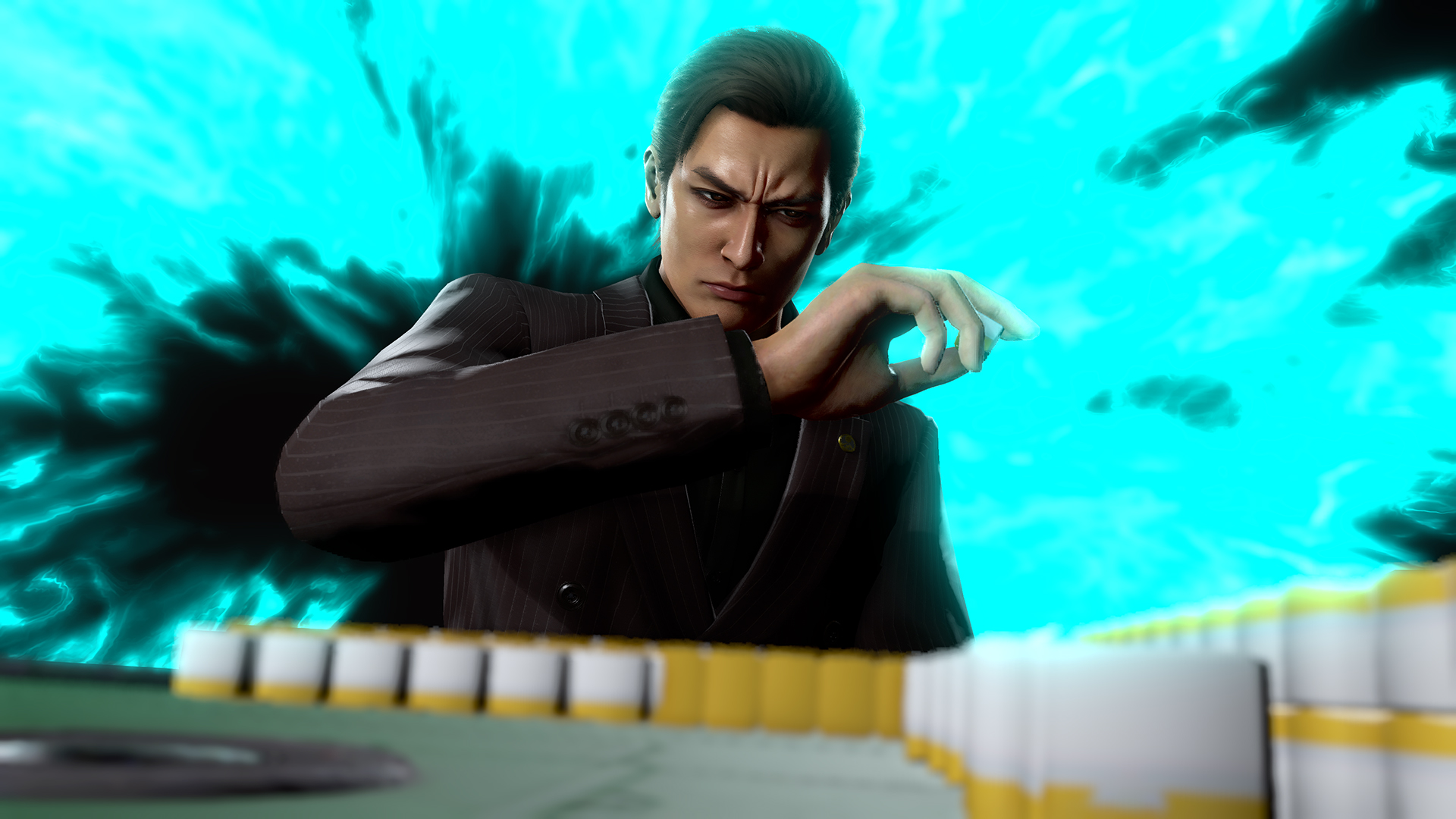
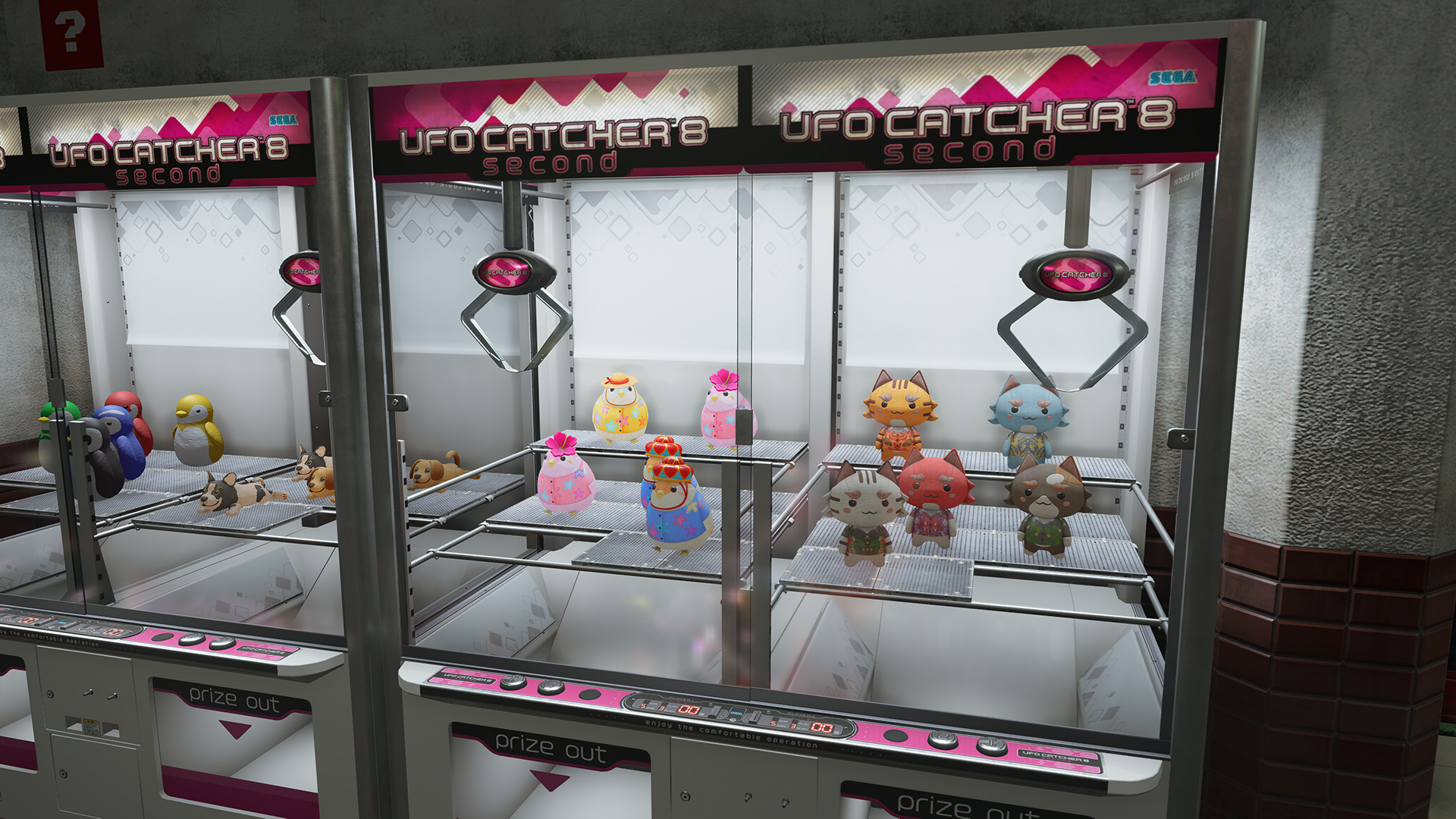
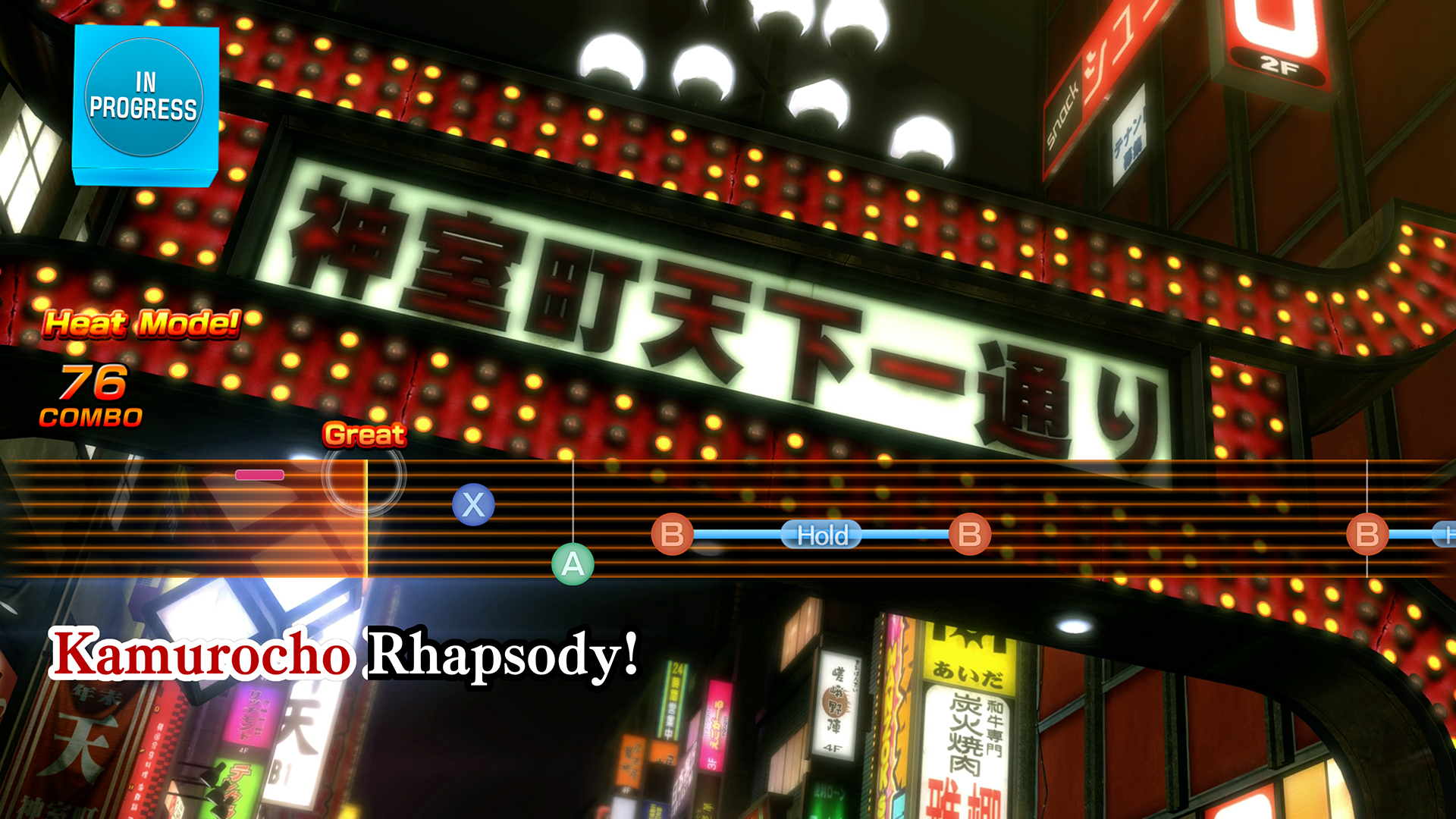
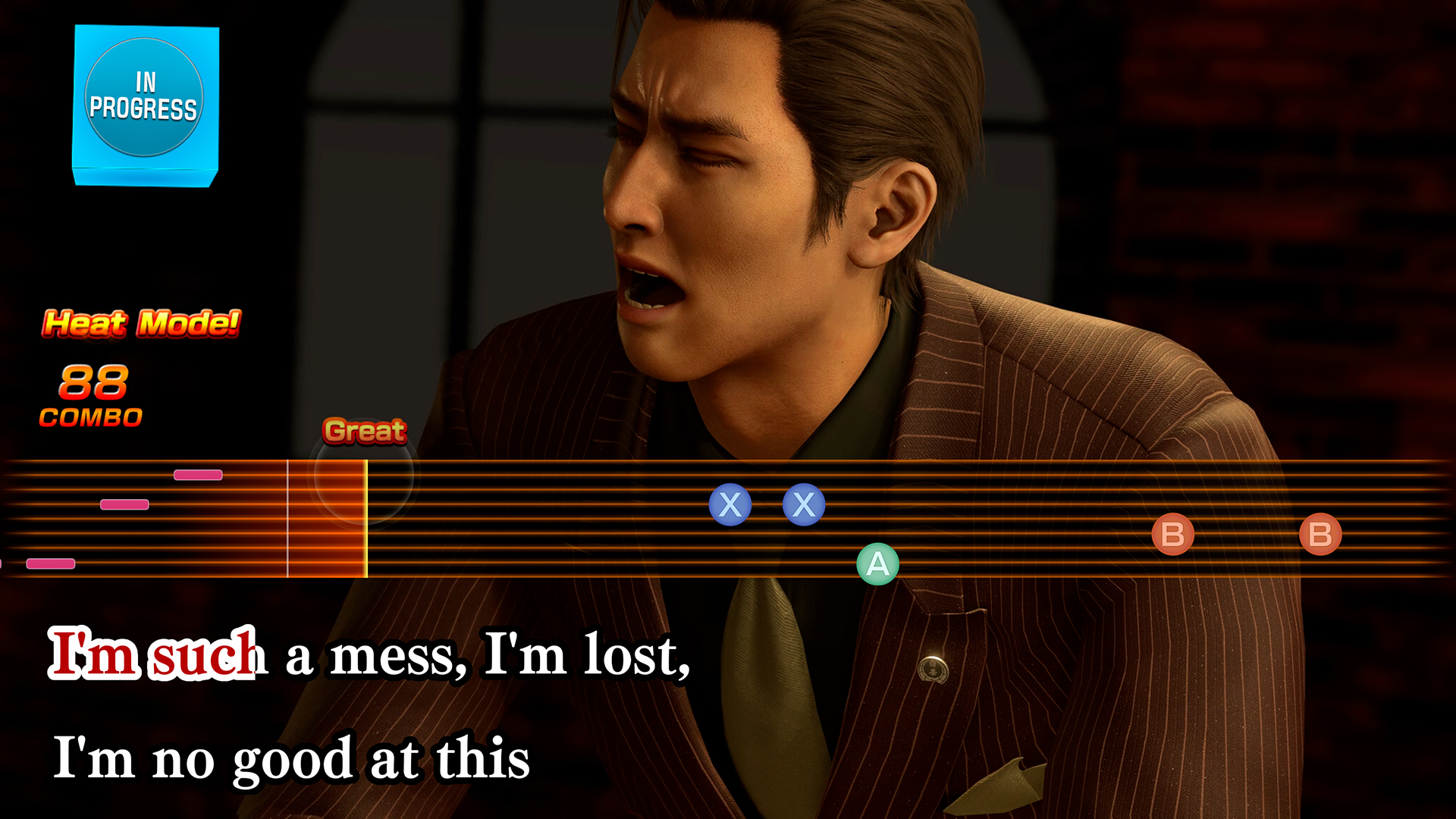
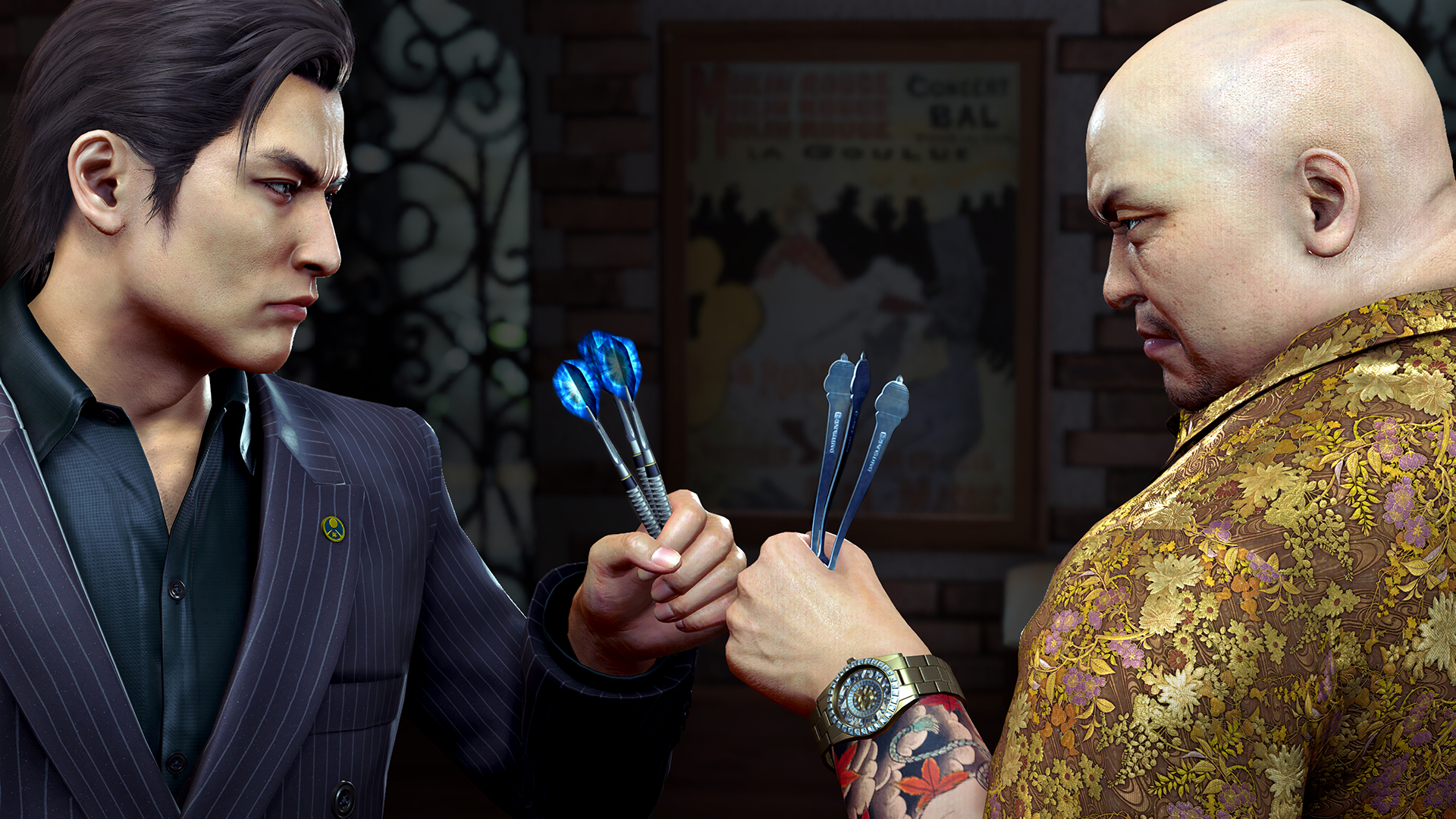
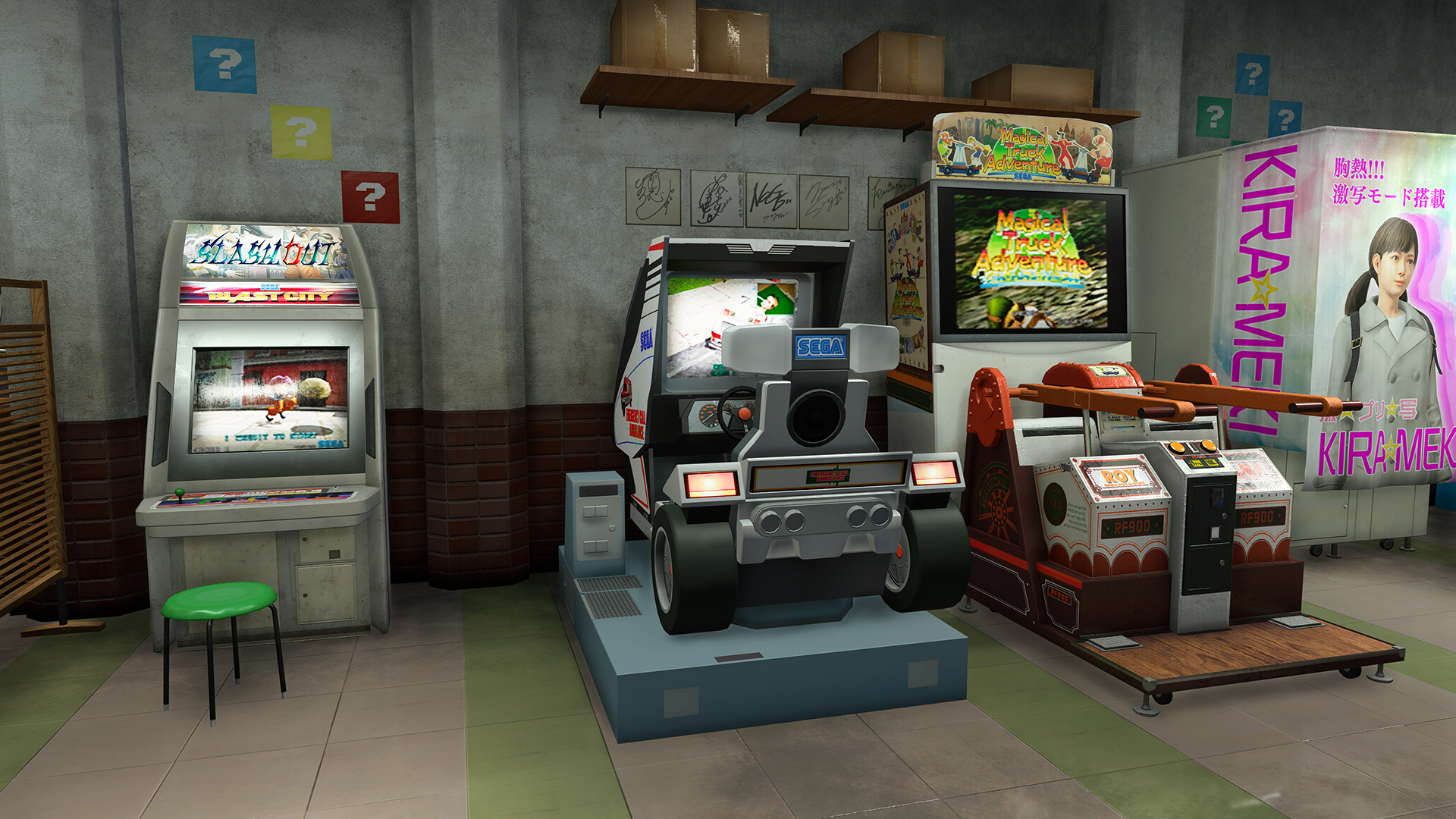
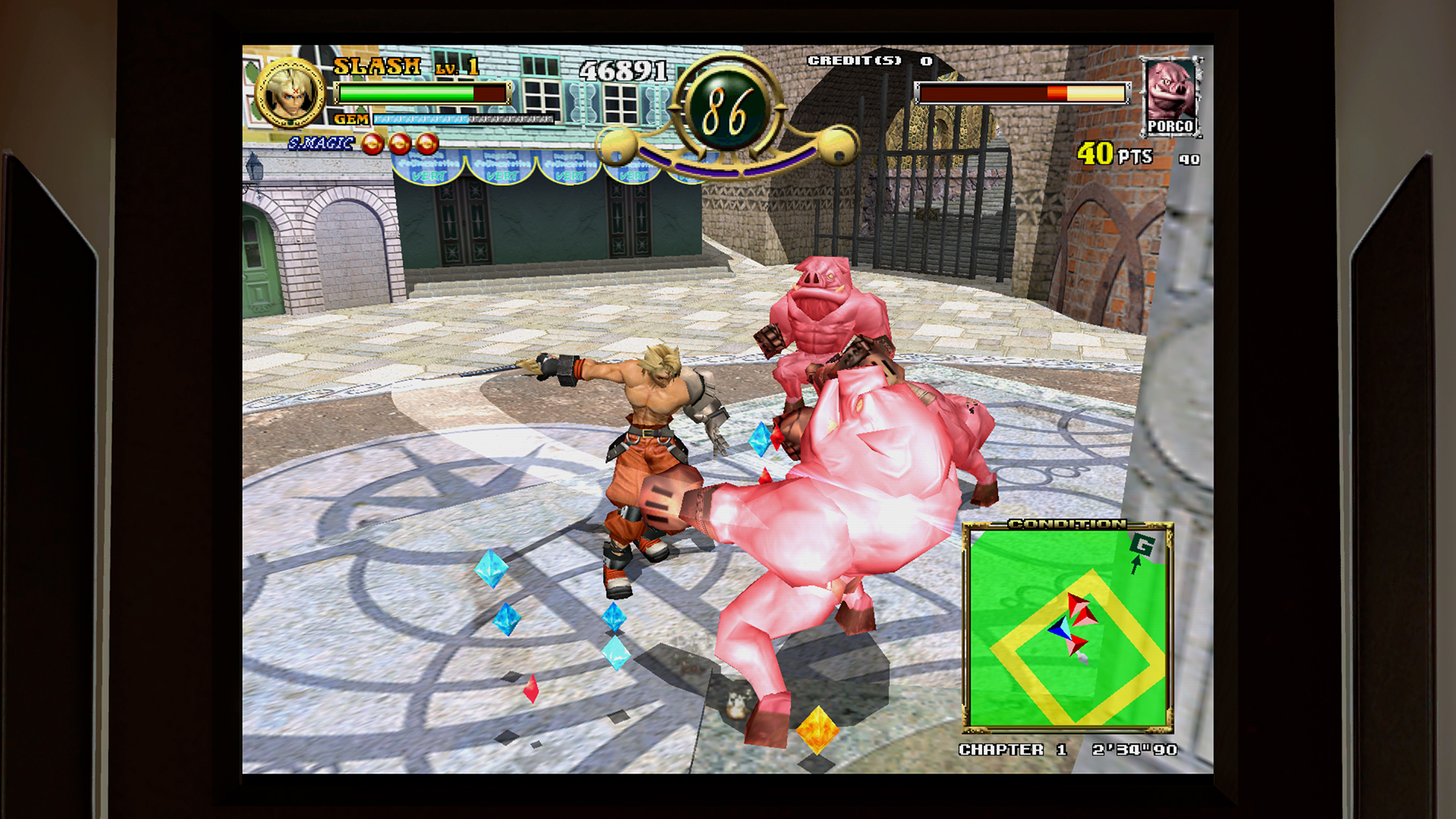
Yakuza Kiwami 3 brings back multiple fan-favorite minigames, from bowling to the Print Club. For the first time in series’ history, SEGA’s classic handheld console, the Game Gear, is playable in-game with multiple titles available. At the arcade, you can also cut loose with a treasure trove of machines, including UFO Catchers, Emergency Call Ambulance, and SlashOut!
Download the image
Download the image
Download the image
Download the image
Download the image
Download the image
Download the image
Download the image
DLC Contents
Yakuza Kiwami 3 & Dark Ties will offer a wide range of add-on content to enhance your adventure, including extra outfits, additional Bad Boy Dragon crew members, cell phone customization options, and CDs that’ll let you use favorite karaoke tracks from past games as background music.A value-priced “Deluxe Edition,” which includes the digital version of the main game and all DLC, is also available.
Legendary Lads & Gals Pack
Download the image
This pack adds Daigo Dojima, Goro Majima, and other Like a Dragon characters to Bad Boy Dragon in Yakuza Kiwami 3.
Legendary Character Outfit Pack
Download the image
This pack contains extra outfits for Kazuma Kiryu to wear in Yakuza Kiwami 3, including iconic get-ups sported by yakuza legends like Daigo Dojima and Goro Majima, as well as T-shirts exclusively designed for Yakuza Kiwami 3.
Ryukyu Gal Gang: Customization Pack
Download the image
This pack adds more ways to personalize your Baddie Uniforms and bikes in Yakuza Kiwami 3. Choose designs based on popular characters from the franchise, including Kazuma Kiryu and Ichiban Kasuga!
Flip Phone Customization Pack
Download the image
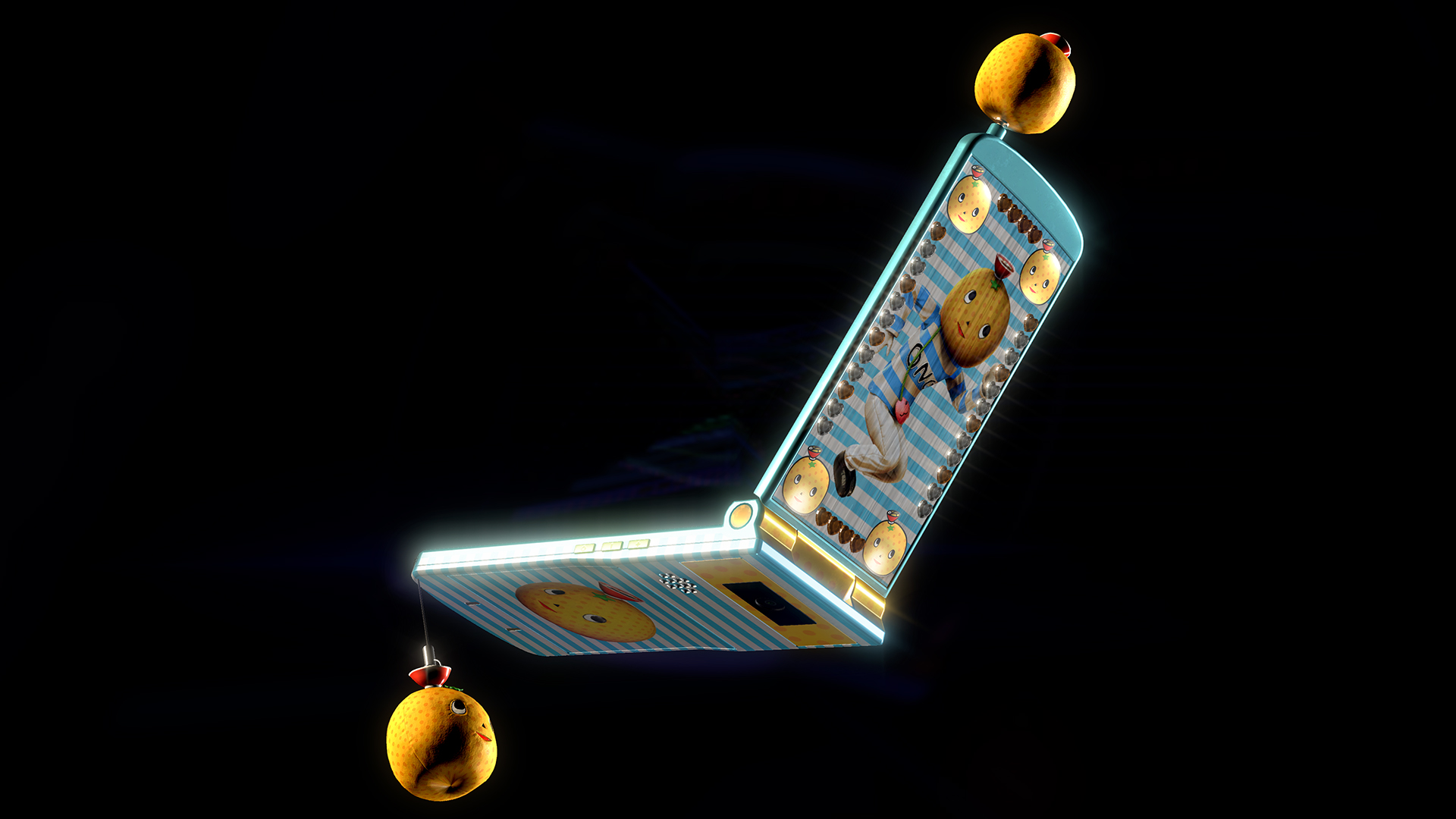
This pack contains extra customization options for your flip phone, including lock screens, stickers, antennas, and straps based on popular characters from the Like a Dragon series.
Legendary BGM CD Pack
Download the image
By picking up this pack, you’ll gain the option to play karaoke staples while exploring.
*You must install the latest update to use these add-ons.
*The Legendary Character Outfit Pack will be available after you unlock outfits in Chapter 2 of Yakuza Kiwami 3.
*The Legendary Lads & Gals Pack is unlocked by progressing through the Bad Boy Dragon story in Yakuza Kiwami 3.
The Ryukyu Gal Gang: Customization Pack is unlocked by progressing through the Bad Boy Dragon story in Yakuza Kiwami 3. You must reach the second set of bike and baddie uniform upgrades in order to customize them.
*The Flip Phone Customization Pack will be available after you unlock your cell phone in Chapter 1 of Yakuza Kiwami 3.
*The Legendary BGM CD Pack will be available after you unlock the CDs in Chapter 1 of Yakuza Kiwami 3 and Dark Ties.
*All DLC aside from the Legendary BGM CD Pack can be used in Yakuza Kiwami 3.
*Any outfits, Baddies, CDs, and customization items for Bad Boy Dragon and your cell phone purchased as DLC will not count toward training challenges and other achievements.
*Please be careful not to purchase duplicate items.
*See store pages for further details.
Yakuza Kiwami 3 & Dark Ties
Demo Available Now!
This demo will give you a taste of both Yakuza Kiwami 3 and Dark Ties. Explore the vibrant streets of Okinawa and Tokyo, enjoy a variety of minigames, duke it out in exhilarating combat, and experience engrossing substories.
Tarsier Studios is no stranger to invading our dreams. Its Little Nightmares series scared up some wonderfully disturbing gameplay that has lived long in memory, and now its spiritual sibling Reanimal is ready to pull us into another intense co-op platforming experience.
I was given access to the full game ahead of its February 13 release to feel first-hand the many delightful horrors that await.
A dark, dreamlike opening
Reanimal doesn’t waste any time, with a disconcerting intro to its protagonists. I started as The Boy, floating alone in a boat adrift in a sea of darkness. A press of R2 drove me towards a single red light bobbing on the horizon. That light led to another. And then another. Until eventually I stopped to haul a masked figure out of the sea…who immediately tried to strangle The Boy, my DualSense controller shuddering in the attempt.
It turns out this was The Boy’s sister, their reunion a sharp tone-setter for the brutal world ahead and an indication of how vital their collaboration is to survive.
Varied environments keep you guessing
While Reanimal starts off in bobbing waters, the setting changes and evolves in your search for the siblings’ friends Hood, Bucket, and Bandage. Your adventure across a fragmented island pushes you to an abandoned factory, an unsettling forest, a sinkhole-plagued city, and a waterlogged workshop, just for starters, before things vastly open up for more non-linear exploration.
Each area demonstrates that Tarsier can make practically anything creepy, with derelict gas stations, a bank of rattling washing machines and even playground animals feeling like an unspoken threat.
A focus on visual storytelling
As with the Little Nightmares series, Reanimal relies on minimal dialogue to convey its story. The characters speak in places, but many of its narrative beats are told through body language and smart use of camera angles to convey claustrophobia, tension, and direction. Not to mention the level design, which always provides a clue to your next objective or where to go, albeit often subtly. Speaking of design…
Sounds to make you quiver
Great audio design is essential to any horror game, and Tarsier leans into its genre experience with a creeping aural dread that can lurch into a full-blown jump scare. Music is used sparingly, leaving the sound effects to deliver the shivers and the DualSense wireless controller’s haptic feedback to accentuate the shudders. A particular favourite of mine was the distant jingle of an ice cream van which foreshadowed…well, let’s just say I definitely screamed for ice cream.
Teamwork is essential
If you don’t have a human partner to survive with, Reanimal’s co-op artificial intelligence is more than capable of keeping you company. In my playthrough, The Girl followed quickly when needed, swiftly responding to a press of the Triangle button when we needed to give each other a boost to out-of-reach platforms.
Alternatively, a tap of L1 gets her to interact with certain elements in the environment. For example, one puzzle required me to walk across a giant metal drum which was spinning too fast to traverse. The Girl was prompted to flip a switch to temporarily stop the drum from rotating, long enough for me to get across it and create a platform for her to follow.
The co-op AI even occasionally performed acts that pushed me into action. During a particularly tense sequence involving the inside of a runaway van, a giant smashed through a window in an attempt to grab the masked siblings. Given the game’s general avoidance of direct combat, my first instinct was to hide, but my partner leapt up to strike the brute, making me realise I had a weapon to join in the attack.
Chilling set pieces are never far away
You’ll be doing a lot of sneaking, running, and hiding in the many haunting scenarios that make up Reanimal, with cinematic chases and rooms full of strange, slithering skin. One of my personal highlights was preceded by a crackling night-time movie theatre, with awkwardly posed bodies and shadowy flickers which made for a deeply unsettling experience. And while I died many times in some of the trickier areas, the quick respawn points were never far from where I made my mortal errors.
It’s not just about primal survival
Environmental puzzles play a big part of the game, ranging from simply finding wheels for a pump trolley, to more elaborate tasks. One had me in a forest of cut trees, where a solitary saw embedded in one trunk hinted at what my next action should be. Another had the siblings’ use a car for a battering ram, take a complex detour to rescue Hood, then have to find and fill a gas canister to refuel the car to escape an increasingly hostile situation.
There are many secrets in the shadows
Hidden away in the dark corners of the game are collectibles such as masks and concept art to find, some requiring steely nerves, keen eyes or just the twisted desire to dive into areas which go squelch in the night.
Better bring a flashlight – you’ll see how dark things can get when Reanimal launches on PS5 February 13.
Last year was a big year for No Man’s Sky. Even we struggle to know how we pulled off so many large updates last year – Worlds Part II and Voyagers were both transformational and released in the same year, interspersed with smaller but significant updates in Relics, Beacon and Breach. As we head into our 10th year post release, our small team is excited for our first update of the year.
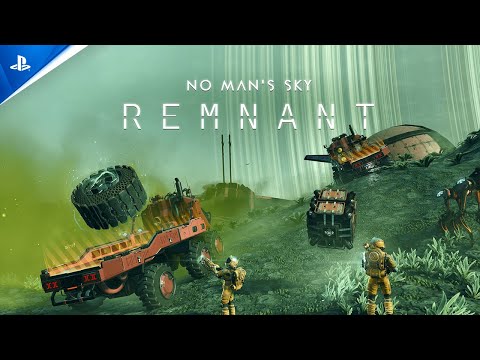
Our new update is called Remnant and it introduces something that we’ve been wanting to give players since the very beginning – a gravity gun!
The Gravitino Coil is a powerful new anti-gravity module for your multi-tool. It turns No Man’s Sky into a physics playground. Allowing you to grab large objects and fling, toss or carefully carry them around the world.
Salvage and debris that could always be found on planets can now be collected and recycled for rare and highly prized resources. New trucks, tipping flatbeds and haulers can be constructed, to transport resources back to industrial yards for reclamation. You can work alone or join a salvage crew with friends.
It creates this really fun and tactile new loop of searching for wrecks, loading trucks full of cargo and hauling across the alien landscape to industrial yards to gain new loot and rewards.
Sorting and depositing materials in these all-new Waste Processing Plants will reap great rewards. Some of the scrap is highly volatile though and must be transported extremely carefully. It’s hard to resist over-stacking your truck, finding one more piece you think you can cram in, and then trying desperately to transport this house of cards on the back of your flatbed.
Our gravity gun is an industrial tool, but it can also be used as a ballistic weapon, grabbing sentinels or fling heavy objects, turning them into projectiles.
Vehicles can be hugely customised, to create bespoke trucks and haulers for your needs. Build your own brightly coloured incinerators, spider legged sci-fi explorer or heavily armed military vehicles with tank tracks.
The Remnant Update comes with a limited-time community expedition. It brings travellers together in convoys to clean up and reclaim a planet covered in wrecks and salvage. Perhaps you’ll be a hauler, or the gravity gun wielding ground crew or maybe a scary yard operator.
There are beautiful rewards, including dozens of new vehicle parts, and an all-new beautifully crafted armour set, with plush, padded fabrics and ornate steam punk detailing.
2026 represents 10 years since we launched on PlayStation and I couldn’t be prouder. For any game to reach such a milestone is a privilege. It wouldn’t be possible without your continued support and we genuinely appreciate it.
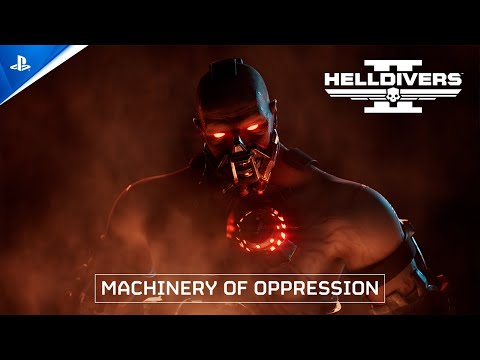
In an unprecedented and unforeseeable event, the Cyborgs have returned to once again threaten the liberty and sovereignty of Super Earth and its inhabitants. This nightmarish turn of events follows the discovery that the Automatons seized the schematics for the Star of Peace with the intent to build one for themselves and use it for their dark and violent purpose. They have been tasked by the Cyborg Legion to carry out these crimes.
The Helldivers have been ordered to take on the dark and grim streets of Cyberstan’s cities and stop this collusion of bots and Cyborgs in its tracks!
The factory cities
Now Super Earth is taking the fight to the heart of Cyberstan. Drop into the bot homeworld and prepare to breach the fortress walls of their massive factory cities. Fight through the inhospitable landscapes that power the Automaton war machine: industrial complexes that are heavily defended with hazards around every corner.
The community of Helldivers must work together to clear a path through Cyberstan’s factory cities–choose which cities to destroy, making sure to bring down every building and leave no bot standing as you democratize these heartless machines.
New mission & objectives
Your primary mission will be to stop the production of more Cyborgs, as well as compromise Automaton defenses trying to stand in your way. Helldivers will also have the opportunity to clean up: destroy their mega factories building by building, and tear down the symbolic statues of the war criminals and terrorists revered by Cyborg scum in order to further destabilize and demoralize their regime.
But beware–an old familiar threat rises in these dark, foreboding streets: the Cyborgs have returned with new weapons of mass destruction.
Old enemies return
You must face down three new types of enemies in the Cyborg subfaction. Outsmart the Agitators, who command the Automaton legion in the field, are heavily armored and can take control of enemy squads, making tactical decisions on the battlefield.
Fight them while the Cyborg Radicals rush you from every side to make the fight up close and personal. They are the most extreme vision of a wretched Cyborg-run future: they push their bodies to the limit with cybernetic and bio-enhancements, turning themselves into a mockery of humanity.
And finally, fight the Vox Engine: the Voice of the Cyborg Legion. This war machine, piloted by a high-ranking Cyborg officer, rolls across the battlefield, blaring Cyborg’s propaganda. It is armed with dual laser cannons, rockets, laser gatlings–all to ensure no one can stop the spread of their message.
Helldivers call for aid
And Super Earth shall answer! Along with the recently-deployed Siege Breakers Warbond which features defensive assistance like the G/SH-39 Shield, Helldivers will also be able to purchase the War Horses set of armor in the Superstore.
Global reinforcement limits
Sending reinforcements to Cyberstan is a great risk for Super Earth, which means it will be essential for the Helldivers to stay alive for as long as possible.
Every death will be counted in the Battle for Cyberstan, using a Galactic Reinforcement Counter marking the finite number of Helldivers able to be deployed. If the counter reaches zero, it means we have lost the Battle for Cyberstan.
Helldivers, we cannot lose to this renewed Cyborg threat. Your objectives must be completed while ensuring maximal lifespans for all divers. Stim your squadmates, bring defensive stratagems, and survive as you fight your way across Cyberstan, destroying the factory cities together!
The latest Helldivers 2 update, Machinery of Oppression, is live now!
*Requires base game, paid purchase of Super Credits, and game progression to unlock. Gameplay requires internet access and paid-for PlayStation Plus membership (sold separately) on PS5.
Tune in live this Friday for 60+ minutes of news, gameplay updates, and announcements from game studios across the globe. February’s State of Play will spotlight eye-catching third-party and indie games headed to PS5, along with the latest from teams at PlayStation Studios.
Please note that this broadcast may include copyrighted content (e.g. licensed music) that PlayStation does not control. We welcome and celebrate our amazing co-streamers and creators, but licensing agreements outside our control could interfere with co-streams or VOD archives of this broadcast. If you’re planning to save this broadcast as a VOD to create recap videos, or to repost clips or segments from the show, we advise omitting any copyrighted music.
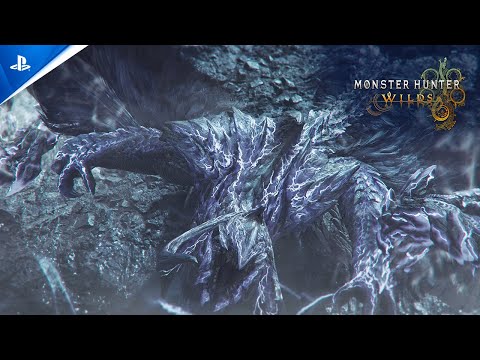
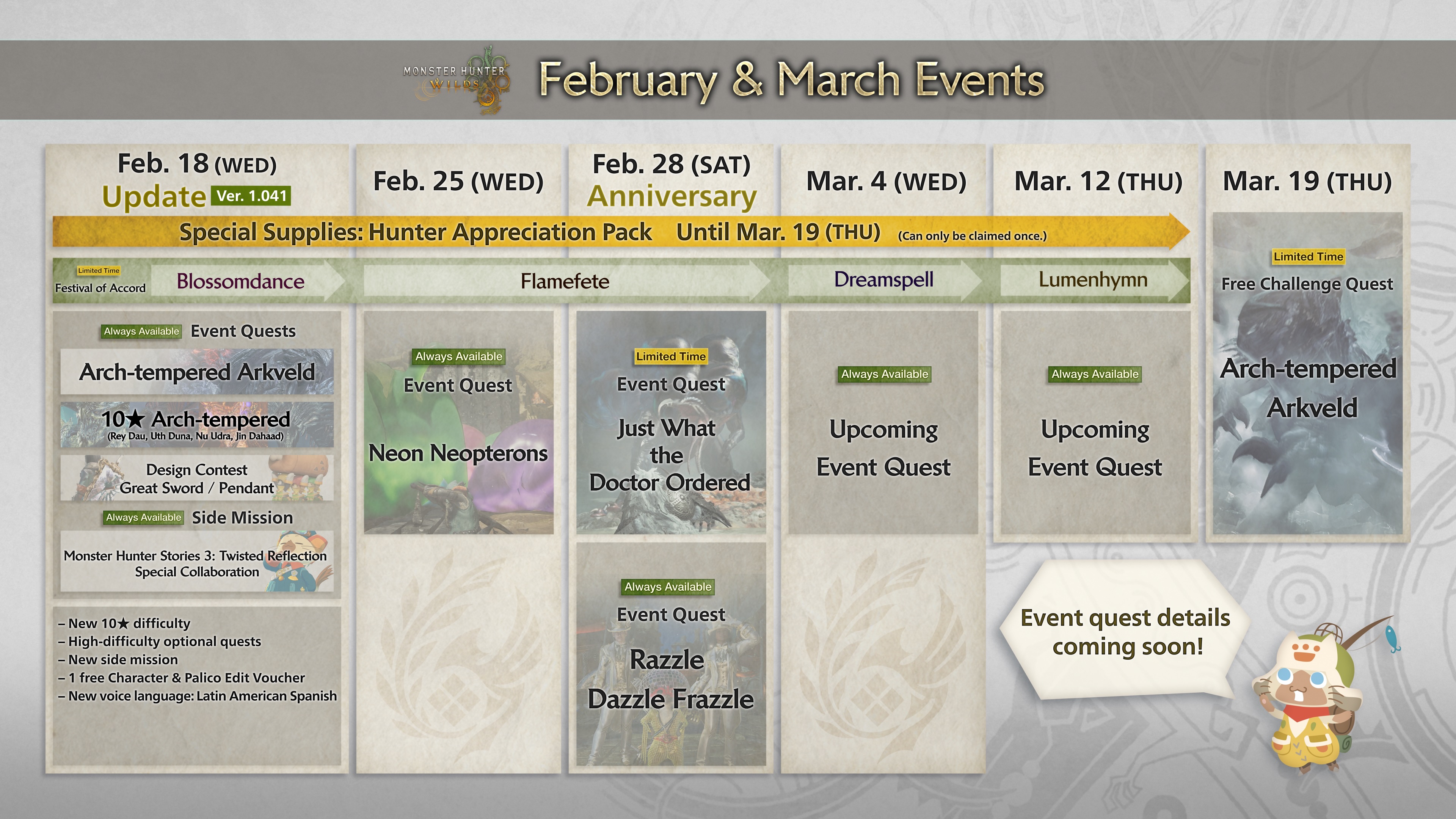
It’s been nearly one year since the launch of Monster Hunter Wilds! Thank you to all of the hunters out there for your support. Today, we’re sharing details on our Ver 1.041 update arriving on February 18, as well as details on the first anniversary in-game event.
Monster Hunter Wilds – February update
After the update arrives on February 18, we’ll be kicking off a series of events to celebrate the first anniversary. Log in between February 18 and March 19 to receive a free special item pack. We’ll also be giving everyone one free Character and Palico Edit Voucher as well.
Festival of Accord
If you missed one of the previous Festival of Accord seasonal events or just want to revisit their good vibes, you’re in luck. During the anniversary event, we’ll be re-releasing past seasonal events on a weekly rotation. Get special equipment, login bonuses, and more from each event.
Here’s a look at the upcoming schedule:
Blossomdance: February 18th – February 25th
Flamefete: February 25 – March 4
Dreamspell: March 4 – March 12
Lumenhymn: March 12 – March 19
10-star Arch-tempered Arkveld is here
Starting February 18, Arch-tempered Arkveld will appear as a permanent Event Quest. Additionally, the four apex predators of each locale will also appear as ★10 Arch-tempered monsters (Rey Dau, Uth Duna, Nu Udra, Jin Dahaad).
Besting all ★10 Arch-tempered Arkveld Event Quest and special environment quests will unlock a high-difficulty Free Challenge Quest: the ★10 Arch-tempered monsters Hunt-a-thon quest. All these quests offer a significant challenge that’s sure to test the skills of even the most seasoned hunters, so be sure to give them a try.
The winners of the Original Weapon and Pendant Design contest are here
This update introduces the winning community-created weapon and pendant designs from the Original Weapon and Pendant Design Contest that was held last year. Take on the permanent Event Quest, Every Hunter’s Dream, to obtain both the weapon and pendant.
Thank you again to many community members who submitted their amazing designs for the contest.
A collaboration with Monster Hunter Stories 3: Twisted Reflection
To commemorate the release of Monster Hunter Stories 3: Twisted Reflection, we’re introducing a special collaboration where you can obtain a one-of-a-kind Royal Palico Rudy Costume α Palico equipment and special Monstie-themed pendants.
Make your way through the new side missions to unlock special free quests focused on egg transport. Some eggs are highly potent, and delivering these increases your additional rewards. Good luck delivering those Monstie Eggs to camp for Rudy.
New Event Quests will appear weekly
New event quests will continue to come to Monster Hunter Wilds. These include unique quests where you can obtain special pendants, quests featuring the least hunted monster, and quests where you can obtain the dazzling armor sets Gala Suit α and Felyne Star α.
And finally, the final Free Challenge Quest, Arch-tempered Arkveld, will be available from March 19 to March 31, so stay tuned.
Nearly all event quests, with some exceptions, will become permanently available beyond February 18. There are more event quests beyond those introduced here, so stay tuned.
Download the image
That wraps up the info for the February update. We hope you continue to enjoy your adventures in Monster Hunter Wilds. Happy hunting.