If you’re planning out a PC build and have been hoping to get ahold of one of the new Nvidia Blackwell graphics cards at a reasonable price, this might be as good of an opportunity you’ll get in the near future. Walmart is offering a retail boxed PNY GeForce RTX 5070 12GB graphics card for just $599 shipped. Mind you this is still $50 over MSRP, but it’s the best price I can find right now for a standalone 5070 GPU and the first time I’ve seen this card drop below $600 this year.
For a limited time, purchase an Nvidia GeForce RTX 5070 graphics card and get a free digital download code of Resident Evil Requiem Standard Edition on Steam while supplies last. The promotion ends on March 16 and the redemption deadline is April 16. Full details on Nvidia’s official website here.
PNY GeForce RTX 5070 12GB OC Graphics Card for $599
The GeForce RTX 5070 GPU is an excellent choice for 1080p or 1440p gaming. Compared to the previous generation GPUs, the RTX 5070 offers a slight performance improvement over the RTX 4070 Super, which was and still is an excellent GPU. The fps gain is greater in games that support DLSS 4.5 with multi-frame generation. Read our RTX 5070 review for our hands-on impressions. This PNY model features a slim 2.4-slot triple-fan cooling system and a slight overclock.
Eric Song is the IGN commerce manager in charge of finding the best gaming and tech deals every day. When Eric isn’t hunting for deals for other people at work, he’s hunting for deals for himself during his free time.
We’re just a few days away from the 98th Academy Awards. Ahead of this year’s Oscars celebrating 2025 in film, we’re here to share how you can watch, plus break down the nominees, host, presenters and performers, and what’s new for the 2026 ceremony.
Read on below for everything else you need to know about the Oscars.
When are the Oscars?
The Oscars will take place on March 15, 2026, from the Dolby Theater in Los Angeles at the new time of 7pm ET/4pm PT/11pm GMT. The broadcast is expected to run for three hours, but you can almost certainly count on it going long.
How can I watch the Oscars?
The Oscars will be be televised on your local ABC station. It will also be streaming live on Hulu. (We’re still a few years out from the Oscars on YouTube.) If you’re interested in the pre-show arrivals and red carpet interviews, ABC’s coverage will begin at 3:30pm ET/12:30pm PT and E!’s will kick off at 4pm ET/1pm PT.
Who is hosting the Oscars?
Conan O’Brien – who also starred in If I Had Legs I’d Kick You alongside Best Actress nominee Rose Byrne – is hosting the Oscars for the second year in a row. O’Brien was announced as the 2026 host two weeks after the 2025 Oscars, saying in a statement, “The only reason I’m hosting the Oscars next year is that I want to hear Adrien Brody finish his speech.” To refresh your memory, Brody dragged on for nearly six minutes accepting the award for Best Actor for his role in The Brutalist.
“There’ll be some explosions, CGI will be used,” O’Brien told ABC News about Round 2. “I see this second Oscars as an opportunity to take things up a notch,” especially now that he’s well-informed on crucial standards and practices, like always keeping an Oscar statuette upright.
What’s new at the Oscars this year?
The Academy Awards are rolling out a new category for the first time since 2001’s addition of Best Animated Feature Film: Achievement in Casting will get its debut after being announced in 2024. The award will go to a casting director, but the criteria for winning sounds unexpectedly more complicated than someone who can put together a list of top-notch actors. The first-ever nominees are:
Presenters include: Will Arnett, Priyanka Chopra Jonas, Robert Downey Jr., Anne Hathaway, Paul Mescal, Gwyneth Paltrow, Chris Evans, Kumail Nanjiani, and Maya Rudolph. Last year’s winners Adrien Brody, Kieran Culkin, Mikey Madison, and Zoe Saldaña, as well as 2025 nominee Demi Moore, are also among the group of presenters. Javier Bardem and Chase Infiniti, who starred respectively in F1 and One Battle After Another but did not receive individual nominations, will also present. (Infiniti’s omission in the Supporting Actress race is considered one of the big snubs of this year’s awards.)
Who is performing at the Oscars?
The telecast will include two major “moments” that the show producers are calling “more than just performances — they expand into cinematic tributes that celebrate the relationship between music and storytelling and why these films resonated so deeply with audiences around the world.” These are “Golden” from KPop Demon Hunters and “I Lied to You” from Sinners, both nominated for Best Original Song this year. (The other nominated tracks — “Train Dreams” from Best Picture nominee Train Dreams, “Dear Me” from the documentary Diane Warren: Restless, and “Sweet Dreams of Joy” from the documentary Viva Verdi! — will not be performed live.)
The singing voices behind Huntr/x — Ejae, Audrey Nuna, and Rei Ami — will perform “Golden,” accompanied by “a fusion of traditional Korean instrumentalists and dance, celebrating the folklore and cultural inspiration that anchors the story behind this animated blockbuster.”
Sinners’ breakout star Miles Caton and singer-songwriter Raphael Saadiq will perform “I Lied To You,” officially described as exploring the “role music plays in the film’s storytelling for a cinematic live moment.” (Hopefully that means it attempts to replicate the electric, glorious fever dream of the film’s scene the song comes from.) Blues musicians Buddy Guy and Bobby Rush, rapper Shaboozey, ballet dancer Misty Copeland, and actresses Li Jun Li and Jayme Lawson will join, along with musicians Brittany Howard of the Alabama Shakes, Eric Gales, Alice Smith, and Christone “Kingfish” Ingram.
Josh Groban and the Los Angeles Master Chorale will also perform, we’ll speculate during the In Memoriam segment.
What are this year’s Oscars nominees?
Read on for the nominees in some of the top categories, but you can check out the full list of nominees here.
Best Picture:
Bugonia
F1
Frankenstein
Hamnet
Marty Supreme
One Battle after Another
The Secret Agent
Sentimental Value
Sinners
Train Dreams
Best Actor:
Timothée Chalamet, Marty Supreme
Leonardo DiCaprio, One Battle after Another
Ethan Hawke, Blue Moon
Michael B. Jordan, Sinners
Wagner Moura, The Secret Agent
Best Actress:
Jessie Buckley, Hamnet
Rose Byrne, If I Had Legs I’d Kick You
Kate Hudson, Song Sung Blue
Renate Reinsve, Sentimental Value
Emma Stone, Bugonia
Best Director:
Chloé Zhao, Hamnet
Josh Safdie, Marty Supreme
Paul Thomas Anderson, One Battle after Another
Joachim Trier, Sentimental Value
Ryan Coogler, Sinners
Which nominees are expected to win?
Though the ballot is a lot of the same movies being celebrated in many categories, a clear winner hasn’t pulled ahead in many of the key races, with a few exceptions. KPop Demon Hunters definitely has Best Animated Feature Film in the bag. Best Actress will probably go to Jessie Buckley as Shakespeare’s grieving wife Agnes in Hamnet, despite the earned fervor around Rose Byrne’s performance in If I Had Legs I’d Kick You. The screenplay awards will repesctively go to Ryan Coogler and Paul Thomas Anderson for Best Original and Best Adapted. Outside of that, other categories are a coin toss, usually between One Battle After Another and Sinners.
Though Timothée Chalamet was practically the presumptive winner in Best Actor as a ping pong hustler in Marty Supreme a few months ago, taking the early win at the Golden Globes, that stance has position has cooled; the SAG Award went to Michael B. Jordan for his twin brothers, Stack and Smoke, from Sinners. Another key win from the Actor Awards was Amy Madigan taking the trophy for Supporting Actress as Aunt Gladys in Weapons, which people have taken as an indicator of an impending Oscars win over Teyana Taylor’s revolutionary Perfidia Beverly Hills in One Battle After Another.
What’s the controversy this year?
There are two, kind of. First of all, this is the first year where AMPAS voters must attest to having actually seen all of the films they’re voting on, a new rule imposed for the first time (!!) a few months after last year’s awards. (Voters can log this after watching films through the Academy screening app, which would automatically track whether or not something has been played, or click a box that pledges they’ve seen it in a theater or by other means.)
The other one, closest to the ceremony and therefore the one that will live on in the Discourse up until the event, is the fact that Timothée Chalamet dissed opera and ballet, in the context of concern about the state of movie theaters.
“I admire people — and I’ve done it myself — who go on a talk show and say, ‘Hey, we’ve got to keep movie theaters alive, y’know, we’ve gotta keep this genre alive,” he said during a Variety and CNN town Hall with his Interstellar co-star Matthew McConaughey. “And another part of me feels like if people want to see it, like Barbie, like Oppenheimer, they’re going to go see it and go out of their way to be loud and proud about it. I don’t want to be working in ballet or opera or things where it’s like, ‘Hey! Keep this thing alive,’ even though no one cares about this anymore. All respect to the ballet and opera people out there. I just lost 14 cents in viewership. I just took shots for no reason.”
“That’s not a shot, I hear what you’re saying,” McConaughey responded.
The video clip started going viral late last week, nearly two weeks after it was originally posted — after the window for Oscars voting had closed on March 5. It won’t directly impact his chances, but it’s enough to rile patrons and providers of the fine arts: Many institutions, including the Metropolitan Opera, the English National Opera, and the Royal Ballet and Opera, posted rebuttals on social media praising their artisans or making a case for him to come to a show. Plenty more have fired back, calling his take shades of “disrespectul”. The comments made their way to The View and Saturday Night Live’s Weekend Update, where Colin Jost quipped that Chalamet “made the comment on a press tour for his movie about… ping-pong.”
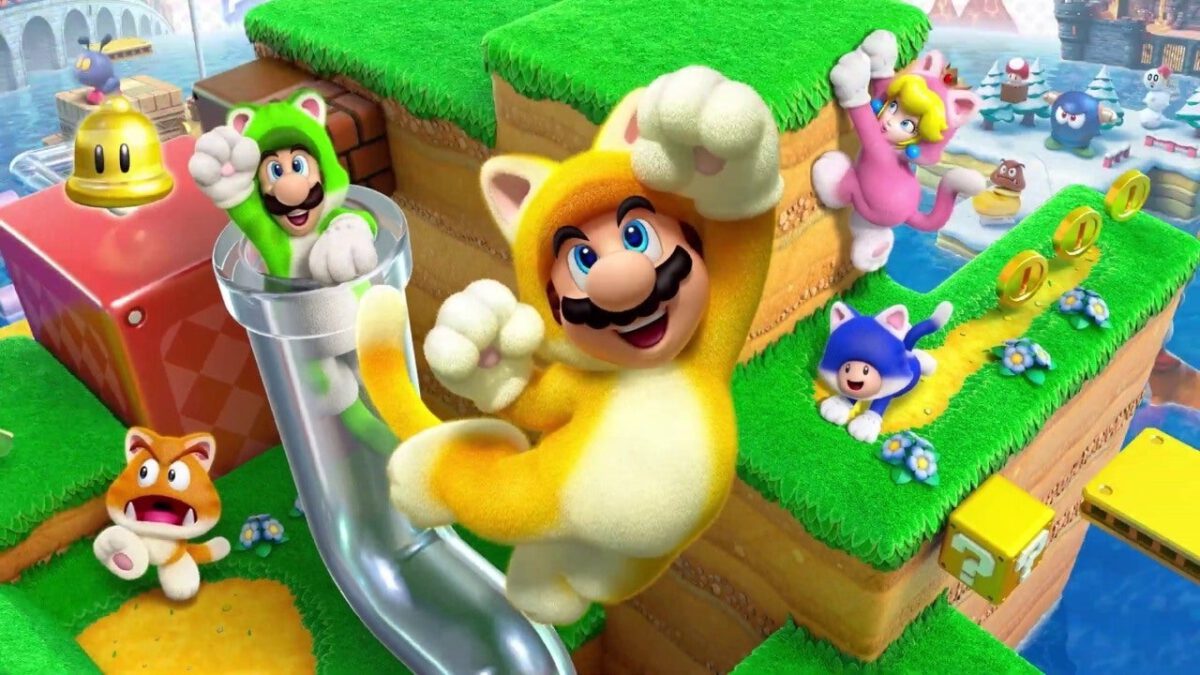
The actual, official Mario Day (March 10) may be behind us, but the good news for Mario fans is that a lot of the deals introduced are still holding on strong. If you’ve been checking out some of the great offers on games that have popped up because of this celebratory day, Super Mario 3D World + Bowser’s Fury is one that’s still on sale right now.
Both its digital and physical copy have dropped to $39.88 at Amazon (see it here). Overall, this saves you 34% from its full list price of $59.99. It’s a deal that may not last long as the week goes on, either, so now is the time to scoop it up at this discounted price and save some cash.
Save on Super Mario 3D World + Bowser’s Fury at Amazon
Back when it was released, writer Cam Shea reviewed the game and said it’s “Two solid platformers in one” even if he found that neither, “approaches the franchise’s most dizzying heights.” Still, it’s a game we have a lot of love for. It even earned a spot on our list of the 100 best Nintendo games of all time, sitting at number 35.
IGN’s Logan Plant wrote in this huge piece that, “Every level introduces a clever new idea, and the whole experience is enhanced when you add more players to the mix, as 3D World has the best multiplayer in any Super Mario game, no question.” Plant continued on to say that, “The definitive Switch version added the wonderfully experimental Bowser’s Fury, which some hope could be a template for an open-world Mario game in the future.”
Alongside Super Mario 3D World + Bowser’s Fury, there are plenty more Mario game deals to check out right now. Have a look at our rundown of Mario Day 2026 to see some of our favorites that are still on sale.
Hannah Hoolihan is a freelancer who writes with the guides and commerce teams here at IGN.
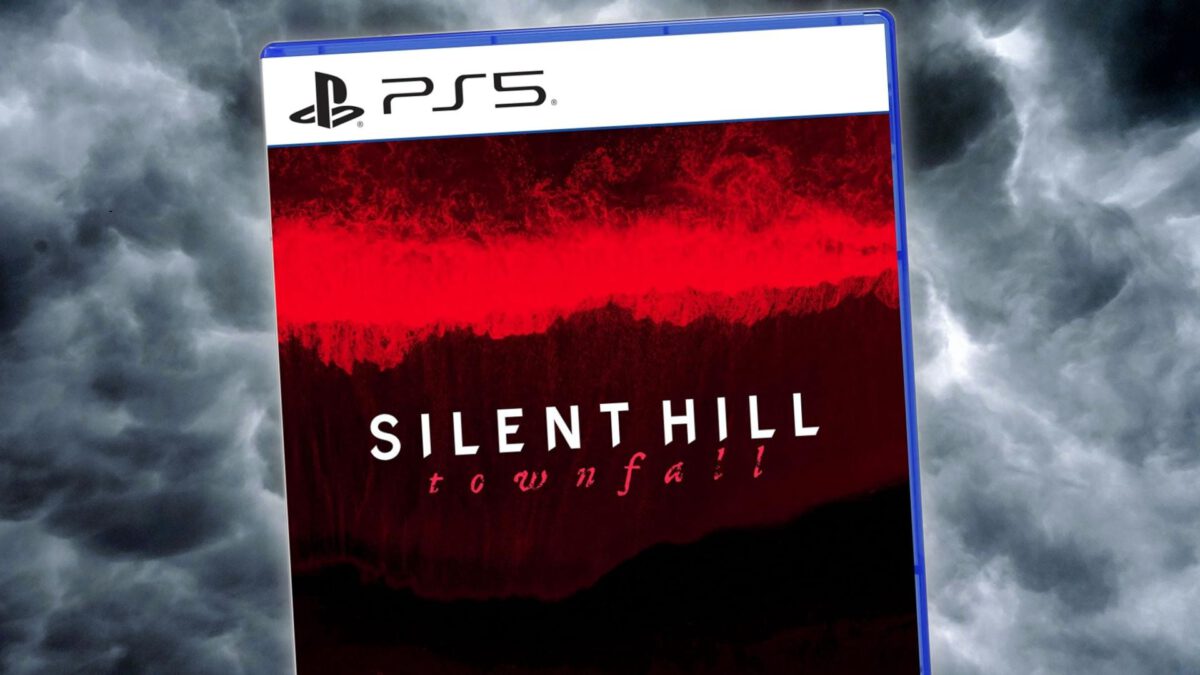
While it doesn’t have an official release date yet beyond being expected in 2026, Silent Hill: Townfall is now available to preorder. If you can’t wait to get your hands on the next installment in this iconic horror franchise, preorders are live at several retailers for $49.99, which we’ve broken down below (see it here at Amazon). Again, there’s no concrete release date at the moment, but at least by preordering it now you can be all set with a copy that’s ready to boot up the day it’s out.
As of the time of writing, there aren’t any preorder bonuses that have been announced, at least at the moment. If this changes, we’ll be sure to update this with any new information.
What Is Silent Hill: Townfall?
Silent Hill: Townfall is the latest game in the Silent Hill series, developed by Screen Burn and published by Konami and Annapurna Interactive. It follows a character named Simon Ordell who, according to Konami’s page dedicated to the game, “is called back to the island of St. Amelia to ‘put things right’, encountering a town lying quiet beneath a heavy fog, seemingly abandoned but not at rest.” That means Silent Hill is headed to Scotland.
The reveal trailer from this year’s Silent Hill Transmission, featured above, highlights some more elements of the game, including its first-person perspective alongside some of the items and weaponry Simon will get to use, from a gun to a plank to a portable CRTV that looks like it’ll be very helpful to have around.
More Preorder Guides
2026 is already looking like an exciting year for games. If you’re looking for even more options to preorder, have a look through our list of preorder guides below. There’s a great variety to choose from right now, whether 007 First Light has caught your eye or LEGO Batman: Legacy of the Dark Knight.
Hannah Hoolihan is a freelancer who writes with the guides and commerce teams here at IGN.
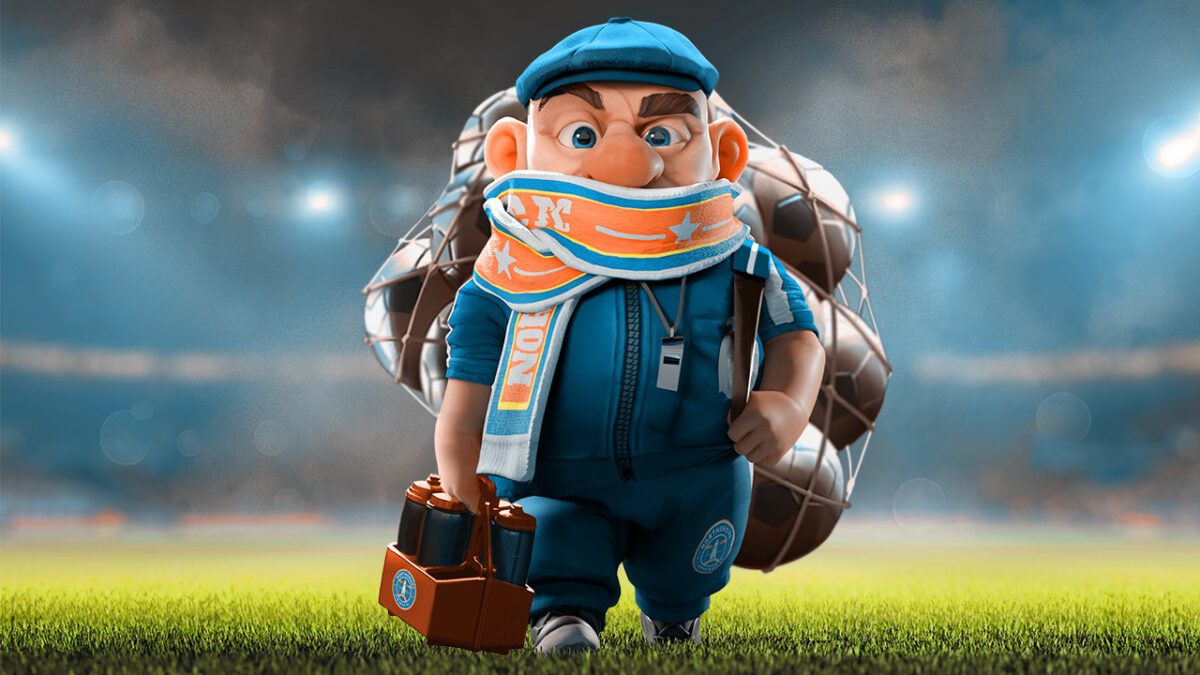
Irish developer Outlier (makers of Mars Attracts) has announced Kitman, a new job simulator game for 1-4 players in which you play as the kitman (aka equipment manager) for a professional football team. You’ll fix and wash kits, clean shoes, mop floors, and anything else it takes to put your team in the best possible position to go out on the pitch and win. It’s in development for PC.
“A single untied shoelace could be the difference between victory and defeat,” Outlier says of its lighthearted job sim. But there is some strategy involved too, as you won’t simply be cleaning the floors and bathrooms. “There is also a strategic layer to the gameplay of Kitman which sees the player surreptitiously taking on the role of team manager to change up formations, scout new talent and lead their club to the top of the league tables,” the studio said.
Watch the announcement trailer at the top of this page, and check out the first screenshots in the gallery above. You can also wishlist Kitman and/or sign up for its upcoming alpha playtest on Steam if you’re interested.
Ryan McCaffrey is IGN’s executive editor of previews and host of both IGN’s weekly Xbox show, Podcast Unlocked, as well as our semi-retired interview show, IGN Unfiltered. He’s a North Jersey guy, so it’s “Taylor ham,” not “pork roll.” Debate it with him on Twitter at @DMC_Ryan.
Marathon has its first post-launch patch, which makes a number of important balance changes.
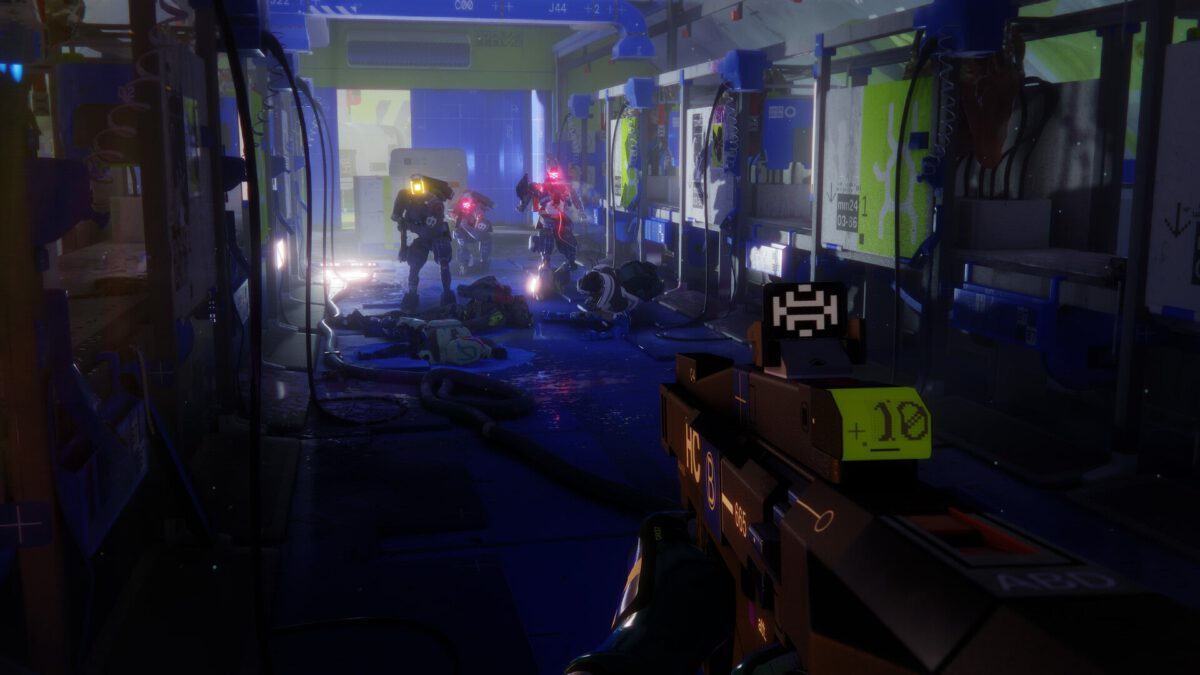
Marathon Update 1.0.0.4 makes changes that make the extraction shooter slightly easier, following feedback from some players that it is too hard due to the sparseness of ammo and healing items, as well as the toughness of the enemy AI.
The patch increases the number of Med Cabinets and Munitions Crates that can spawn on Perimeter, the starting map, increases the amount of starting ammo in MIDA, CyberAcme, and Arachne free Sponsored Kits, and reduced the frequency that UESC Grenadiers drop EMP grenades.
For combat, the range that gunfire and explosions can be heard from is increased. Specifically on UESC, Marathon’s AI enemies, health of most UESC enemies and shield hp of UESC bosses is reduced by a small amount.
Perhaps in anticipation of Marathon’s hardcore fans criticizing Bungie for catering to casual players, the developer added a note with this change to reassure them that enemy AI will still present a stiff challenge.
“With this change we hope to alleviate some of the resource burden in both Solos and Crews when it comes to engaging UESC in combat,” Bungie said. “The goal here is to allow your bullets and meds to go further without reducing too much of the UESCs bite. We see the feedback loud and clear that players appreciate the friction that our UESC combatants provide and we have no plans to change that direction.”
Additionally, Bungie community chief Cosmo tweeted to say the UESC enemies “will still f**k you up,” in response to concern that this patch is a reaction to some who say Marathon is too hard.
The patch comes amid significant debate about the success or otherwise of Marathon, which is a crucial release for Bungie following significant financial issues that even studio owner Sony itself has highlighted. We don’t have player numbers from Sony or Microsoft, but on Steam, Marathon hit a peak player concurrent figure of 88,337. Marathon appears to be holding relatively steady on Valve’s platform. But we do not have a sales figure for Marathon, and no comment yet from either Sony or Bungie on whether it’s meeting expectations. Are people bouncing off Marathon because of how hard it is? Are some put off by its steep learning curve?
Marathon Update 1.0.0.4 patch notes:
Item Economy
Increased the number of Med Cabinets and Munitions Crates that can spawn on Perimeter
Increased the amount of starting ammo in MIDA, CyberAcme, and Arachne free Sponsored Kits
Reduced the frequency UESC Grenadiers drop EMP grenades
Combat
Fixed an issue where players could sometimes die instantly in confinement events
Fixed an issue where the shield break screen effects could constantly play when you had a heal over time effect and a damage over time effect on you at the same time
Increased the range gunfire and explosions can be heard from
Weapons
Thermal Scopes
Reduced visual clarity on targets with thermal scopes
Adjusted max distances for thermal highlight:
Pistols: 40 meters (down from 55)
Rifles/LMGs/SMGs: 60 meters (down from 65)
Precision Rifles: 80 meters (down from 100)
Snipers: 100 meters (down from 180)
Overrun
Increased default ammo capacity by 5
Runners
Rook
Fixed an issue where backpacks could be deleted when exfiling with Rook
Fixed an issue where Rook’s position was not being displayed on the map screen.
Increased CyAc reputation gain from exfilling with Rook
Rook will now have the same Faction reputation bonus for exfilling that solo players receive
Rook’s WSTR shotgun will now spawn as Compromised
Compromised items require use of a Matter Fixative during the run to exfil with the item
UESC
Reduced health of most UESC enemies and shield hp of UESC bosses by a small amount
DEVELOPER NOTE: With this change we hope to alleviate some of the resource burden in both Solos and Crews when it comes to engaging UESC in combat. The goal here is to allow your bullets and meds to go further without reducing too much of the UESCs bite. We see the feedback loud and clear that players appreciate the friction that our UESC combatants provide and we have no plans to change that direction.
Contracts
Increased default distance objective nav points appear from 10m to 20m
Introducing NuCaloric Contract
Fixed an issue where enemy Crews could receive NuCal contract VO audio and subtitles from a long distance away
Introducing Traxus Contract
Reduced the difficulty of the UESC Commander encounter
Zones
Outpost
Temporarily disabled switches access route to the Broken Wing on Outpost
DEVELOPER NOTE: We are temporarily disabling the “Broken Wing” entrance into the Pinwheel while we make some tuning changes to it. In its current state it trivializes entrance into the Pinwheel. We are making some tweaks to maintain the spirit of the “silent” entrance while better matching the risk / reward of the Pinwheel. Runners can continue to take advantage of all other ways into the Pinwheel (including the additional silent method) in the meantime.
Rewards Pass and Store
Fixed an issue where Silk balances were not updating correctly without restarting the game
Fixed an issue where bundle prices could be displayed incorrectly
Fixed an issue where cosmetic items might incorrectly say “Savings” when they are full price
Increased the LUX bundle from (1000 + 100) to (1000 + 120)
Stability
Fixed a rare issue that could cause dedicated server crashes
Fixed several issues that could cause client crashes
General
Fixed an issue where doors would lock preventing players from finishing the new player intro mission
Updated the description of Perimeter (Beginner) on the Zone Select screen
Fixed a bug where the Text Chat window could get stuck open
Fixed a crash that sometimes occurred when attempting to use an IME Keyboard
Fixed a crash that sometimes occurred when typing quickly with an IME Keyboard
DEVELOPER NOTE: Some issues may still remain with third-party IME software and we are continuing to investigate. Windows built-in IME may be a temporary workaround for users who are experiencing issues while we work on a permanent fix.
Players will no longer see an extended black screen during the map load sequence
Wesley is Director, News at IGN. Find him on Twitter at @wyp100. You can reach Wesley at wesley_yinpoole@ign.com or confidentially at wyp100@proton.me.
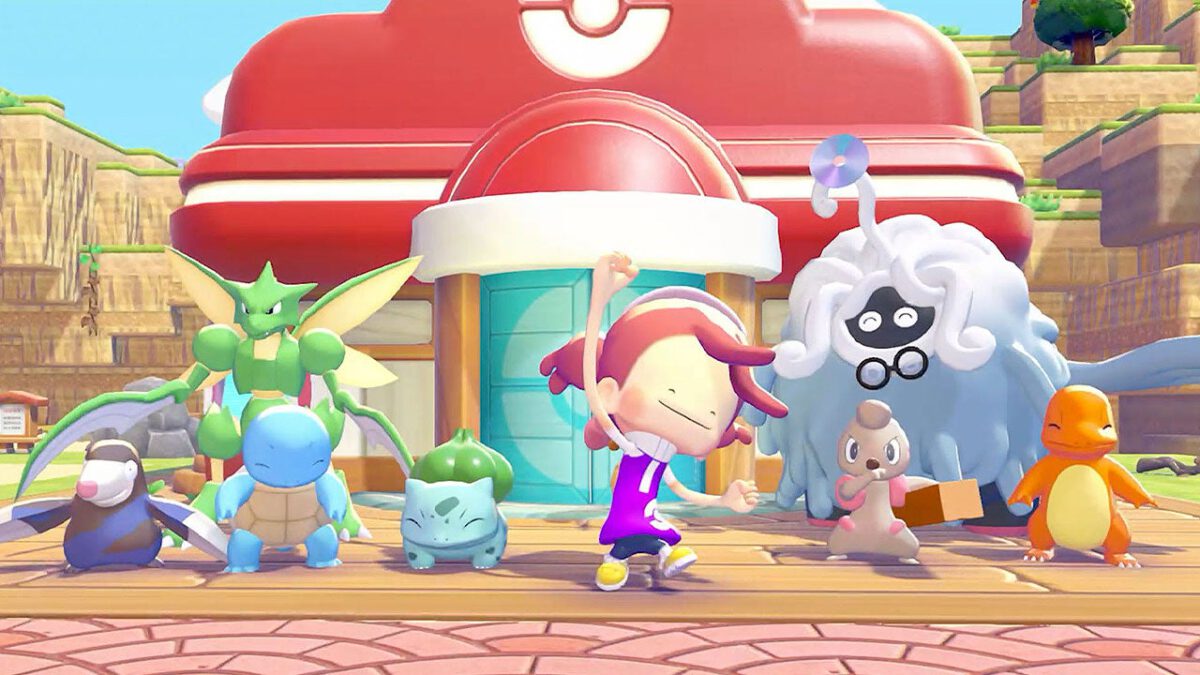
The perceived success of Pokémon Pokopia has led to a surge in Nintendo’s stock price, which has slumped so far this year.
As noted by Bloomberg, this week’s 10.5% spike in Nintendo shares is the steepest climb seen by the company since April 2025, back during the height of Switch 2 pre-launch anticipation.
Recent months have seen Nintendo’s share price steadily fall, with a drop-off in December followed by a notable dip last month — something experienced by various video game companies amid investor fears over the use of AI to replace traditional development, and the technology’s spiralling impact on computer memory costs.
How much of a success has Pokémon Pokopia been? So far, Nintendo itself has not released any sales figures, and unless The Pokémon Company makes its own announcement, we’ll likely have to wait until Nintendo’s next financial results in May for more detail.
Early signs are promising, however, with reports of physical copies sold out in various countries, and Amazon upping the game’s price to $80 after seeing high demand. It’s these early signs, seemingly, that investors have now acted upon — even if its success seemed likely.
Analysts quoted by Bloomberg describe the game as a “viral hit” and a “dark horse”, something which has amused fans who have long seen the likelihood of success in a game that blends the billion dollar Pokémon series with elements of Minecraft and Animal Crossing — another pair of rather popular franchises.
IGN’s Pokémon Pokopia review returned a 9/10 score, and dubbed the game as “an enjoyable building and town simulator that capitalizes on the charming personalities of its monsters in a way that appeals to both the creative and collector alike.”
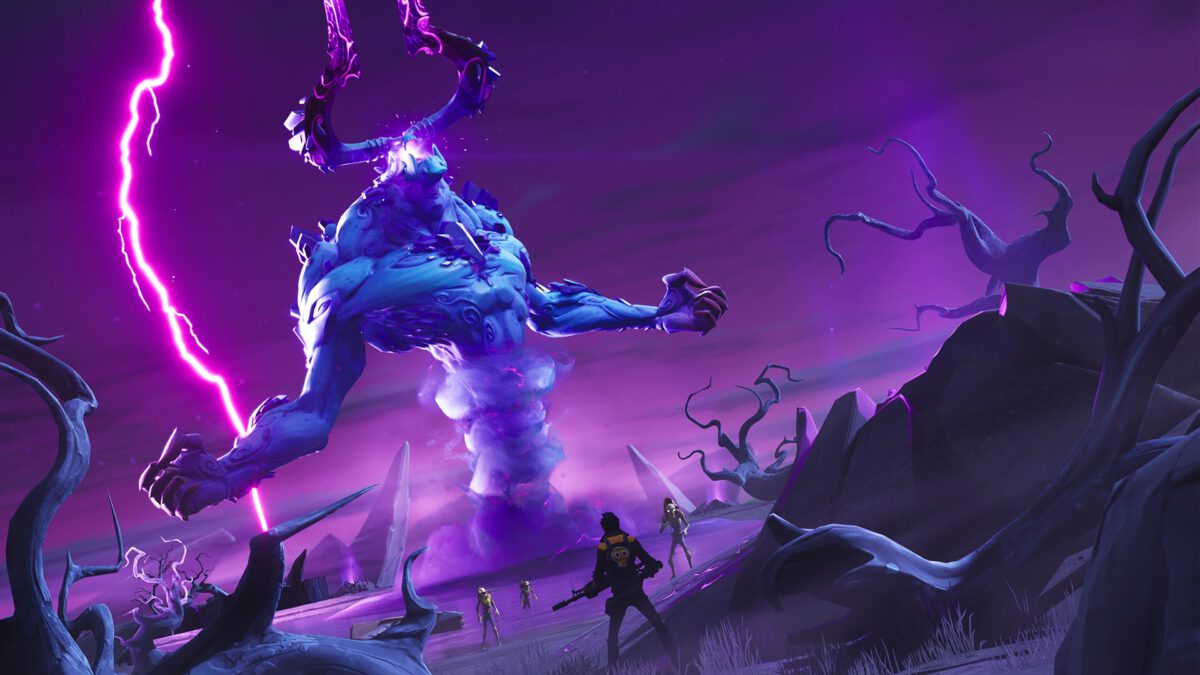
Save the World, Fortnite’s original PVE survival mode, is finally going free-to-play after almost nine years.
From April 16, all Fortnite players will be able to access Save the World without having to purchase access — as long as they play via a supported platform. To date, the mode is unavailable on Nintendo Switch, Switch 2 and smartphones. On April 16, however, Switch 2 players will also gain access for the first time.
Back in the bygone days of summer 2017, Fortnite only existed as its Save the World portion. A mix of zombie shooting and base building, it made a modest impact — but is now far more famous as being the precursor to Fortnite’s hugely popular battle royale.
In the time since, and despite an initial plan to make Save the World free to all players years ago, developer Epic Games has kept its PVE offering paywalled off, accessed via a rotating selection of add-on packs. Updates to the mode have been sporadic, though continue to bring occasional drops of new content or gameplay tweaks.
Now, however, all of that is going away — so if you want to give Save the World a go, you’ll soon be able to. A website with a community goal to drive interest ahead of April 16 has also now been launched, with a smattering of free rewards if you register there.
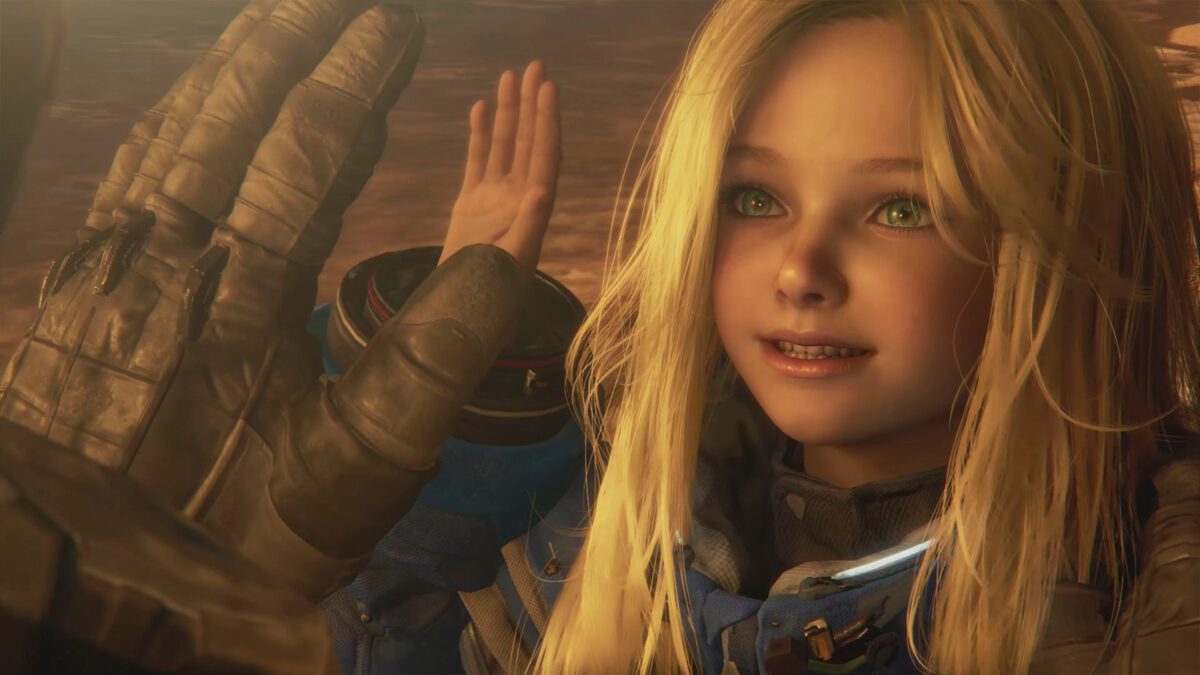
Two million people have already downloaded the demo for Capcom’s upcoming sci-fi game, Pragmata.
Pragmata Sketchbook — the free slice of the game that offers players across all platforms (PC via Steam, Nintendo Switch, PS5, and Xbox Series X/S) — gives players a taste of the “tactile combat system that fully engages both sides of your brain,” as well as what it’s like to explore the lunar research station, including its hacking gameplay.
“Hugh, look — I can’t believe millions of people are excited for our game!” protagonist Diana tells her companion on social media. “Pragmata has reached two million wishlists, and two million demo downloads. Thank you so much for all your support.”
“Hugh, look – I can’t believe millions of people are excited for our game!”
PRAGMATA has reached 2 million wishlists, and 2 million demo downloads. Thank you so much for all your support. 💙#PRAGMATApic.twitter.com/kqtB2rESuh
If you’ve yet to give it a go, there’s still time. In fact, Capcom teases that even though some contents of the demo will differ in the final version of the game, it’s worth replaying the demo, as “you might discover new things,” and Diana will have an illustration for you upon completion.
Pragmata is an all-new sci-fi action adventure with its own unique hacking twist. Set in the near future, protagonists Hugh and Diana must work together as they make their way through the cold lunar research station.
Capcom kicked off last week’s Capcom Spotlight presentation by sharing a brand-new look at Pragmata, confirming it was “undelaying” the game and moved the release date up from April 24 to April 17, and gave us another look at Pragmata’s Deluxe Edition, which includes the Shelter Variety Pack.
Vikki Blake is a reporter for IGN, as well as a critic, columnist, and consultant with 15+ years experience working with some of the world’s biggest gaming sites and publications. She’s also a Guardian, Spartan, Silent Hillian, Legend, and perpetually High Chaos. Find her at BlueSky.
[Editor’s Note: Minishoot’ Adventures was first released on PC in 2024, but we did not review it at that time, so we have taken its recent port to Nintendo Switch 2 as an opportunity to do so now.]
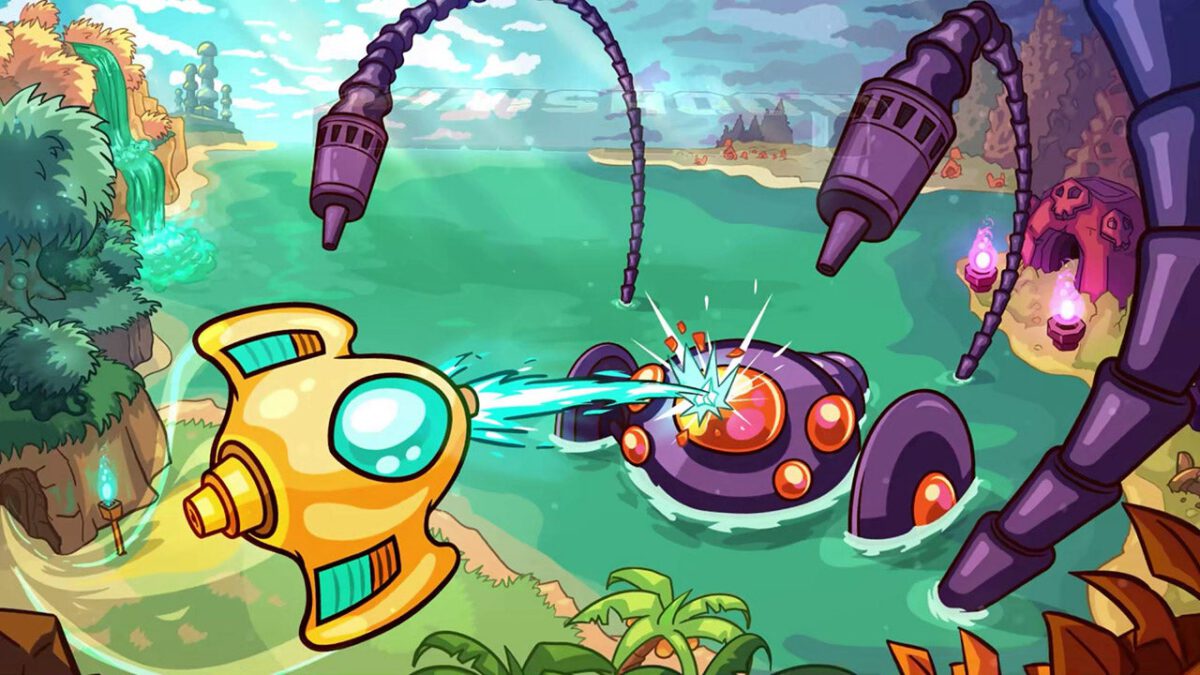
Minishoot’ Adventures answers a question I never would have thought to ask in a thousand years: What if you mixed classic Zelda with a twin-stick shooter? Developer SoulGame Studio’s take on that combination is an absolute delight. Between the silky smooth controls, your spaceship-shaped hero’s growing repertoire of abilities, and a top-down world that opens up at a satisfying pace, I loved all 10 hours it took me to roll credits. That felt like a perfect length, even though I would’ve gladly kept playing if it had offered more.
SoulGame Studio makes absolutely no effort to hide Minishoot’ Adventures’ Hyrulean inspiration. Just like Zelda, the overworld is populated with enemies, caves, trees, waterways, and areas you can see but can’t reach until you unlock a new ability. Your health is displayed as a row of hearts in the upper corner of the screen, and you can add more by finding heart pieces hidden around the world. If that’s not proof enough, just travel one screen down from your home base and you’ll find an exact replica of the starting screen from The Legend of Zelda on NES. While an uncharitable interpretation might consider this stealing from Nintendo, it all comes off as a loving homage. The developers have used familiar ingredients to create a new, twin-stick shooting-infused dish that’s different enough to stand on its own.
Instead of an elfin boy, you play as Minishoot’, a small beige ship that exhibits a surprising amount of personality thanks to the cartoonish art and animation. That odd apostrophe in the ship’s name is actually to abbreviate “Minimalist Shooter Adventure,” and that minimalism extends to the story, which gets maybe a minute of total screen time. Basically, you and your fellow sentient ships are enjoying your lives together when an invading force comes in with guns blazing to break up the party, flinging ships to all corners of the map and encasing them in crystals. Your job, once you break free of your own gemstone prison, is to find your Shipling friends and “restore balance to the Great Crystal,” whatever that means. It’s not Shakespeare, but it sets you off on a fun adventure.
If you’ve played top-down Zelda games before, then you know exactly what to expect here: You’ll poke around the overworld, delving into caves, fighting enemies, and solving light puzzles. This is all extremely pleasant, thanks in no small part to the controls. Minishoot’ glides along so smoothly that simply moving across the screen feels satisfying.
You glide so smoothly that simply moving across the screen feels satisfying.
Some areas are blocked off by obstacles like pits and water, but you can explore these regions later, once you obtain the right equipment. For instance, you unlock a surf ability that lets you glide over water, and a boost that lets you use ramps to leap over pits. These upgrades are a joy, both because the controls are so good and because they let you explore further into the map. This is a tried-and-true formula, and it works particularly great in Minishoot’ because of how frequently the upgrades are handed out during the adventure. The pacing feels just right, so I never felt like my progress had stalled.
The only major aspect that’s not inspired by Zelda is the twin-stick combat, which (if you’re using a gamepad, as is highly recommended) has you move around with the left stick while firing bullets in any direction with the right. This addition is incorporated so seamlessly into the otherwise recognizable framework that you might wonder if Link should’ve been a little ship all along.
Your starting weapon is as weak as a peashooter, but as you take down enemies and blast through gemstones scattered throughout the world, you level up, earning points you can feed into 11 different enhancements — things like fire rate, damage, range, and bullet speed. Each of these enhancements can be upgraded numerous times, making any single upgrade feel a little too incremental, which is somewhat disappointing. Worse, the cost of the upgrades increases as your enhancements become stronger. That means, for instance, you need to spend three levels’ worth of currency to gain the second damage upgrade.
Thankfully, you’re also picking up new abilities as you bolster your damage output, so I always felt like I was making progress regardless. And your attack upgrades do eventually add up; by the time I confronted the final boss, I could unleash a bullet hell barrage of my own.
Unlike Zelda, the enemy designs are largely forgettable in Minishoot’ Adventures, at least when it comes to their looks. Like the Shipling protagonists, the bad guys you’re blowing up are all mechanical constructs. Most are beige ships that come in different geometric shapes – this one’s a circle! Here’s a triangle! Lynels and moblins these are not.
Enemies don’t look too interesting, but they have a nice variety of attack styles.
On the other hand, these enemies do have a nice variety of attack styles, and they’re strategically placed around the environment to pose different kinds of challenges, making them far more interesting to fight than they are to look at. For instance, stationary turrets might snipe at you from a distance while a cluster of small enemies swarms your way, giving you plenty to consider as you try to kill the cluster while avoiding the incoming bullets. Many rooms lock you inside while spawning increasingly difficult waves of enemies. (There are even a handful of races for you to compete in, complete with a starting block and finish line.)
Bosses are also mechanically interesting, big and challenging battles divided into phases – and it’s here that this twin-stick shooter veers into bullet hell territory. You usually have to thread your way through a maze of projectiles, all while directing your own stream of bullets at the boss. It’s a blast. I died a lot in these fights, but just like in top-down Zelda games, the dungeons are designed to give you a short route back to the boss room from your respawn point, so I was always excited to try again rather than getting frustrated.
Every inch of Minishoot’ Adventures is packed with smart little details, like hidden paths hinted at by gentle indents in the walls, or how enemies gradually turn redder as they take damage so you can tell when they’re about to die. There are plenty of collectables to seek out, from red coins and heart pieces to chunks of the overworld map. As you progress, various symbols start to appear in unexplored regions to point you toward new areas of interest, so I never felt aimless or lost.
It’s all set to a charming and engrossing electronic soundtrack. The sound effects are full of little bloops and plooks and ASMR-friendly tinkles, as well. Combine that soundscape with surprisingly cute animations (an especially impressive feat for a game about faceless ships) and you get a cozy vibe, even when you’re sweating through an onslaught of bullets.