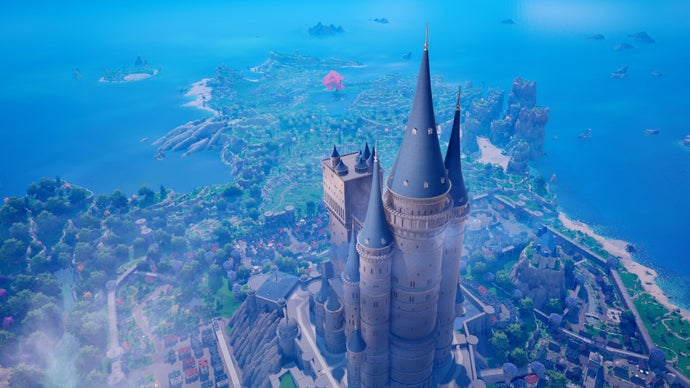
The Seven Deadly Sins: Origin is three things. Firstly, it is available now on Steam. Secondly, it is a splashy fantasy open world anime confection, all Disney towers and fluttering windmills and jaunty sailboats and some kind of porcine Space Hopper that transforms into a buzzard. Thirdly, it is a free-to-play game with gacha elements.
I do not like gacha elements and other habit-forming randomised rewards, but I do not think that games featuring them are automatically abominable. Put it this way: our former EIC Graham Smith liked Genshin Impact, and he is both a protective father and a fearful crank who writes mean things about Wholesome games and pretty much just stopped enjoying stuff sometime in 2004.