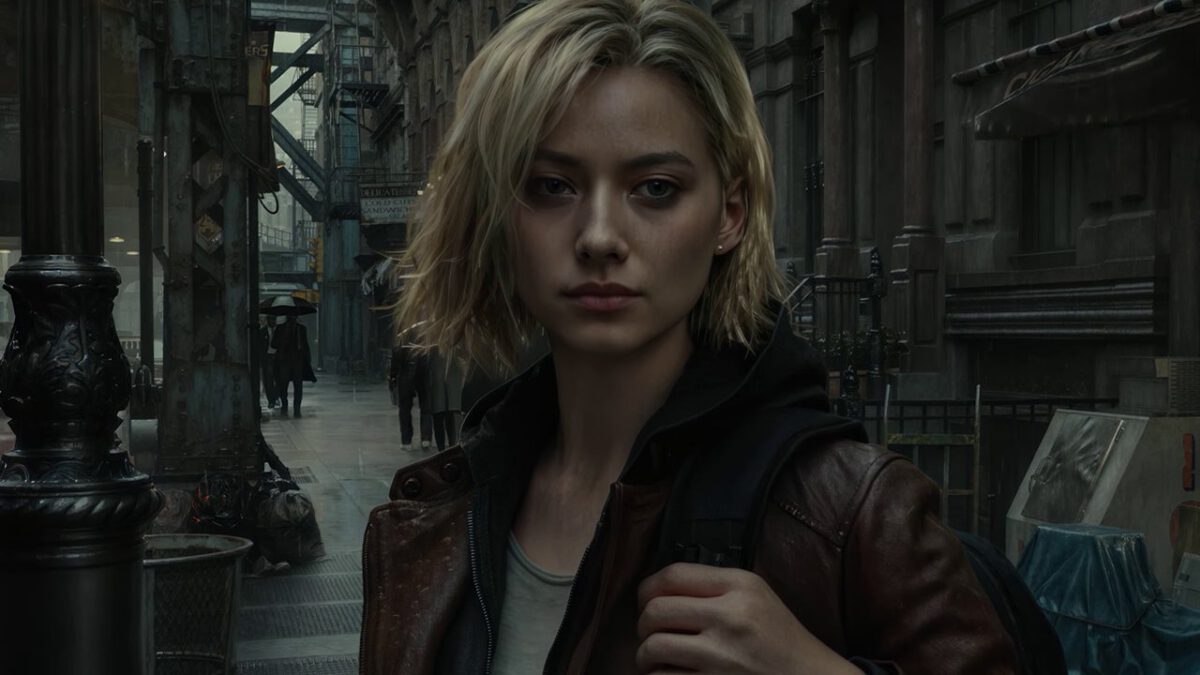
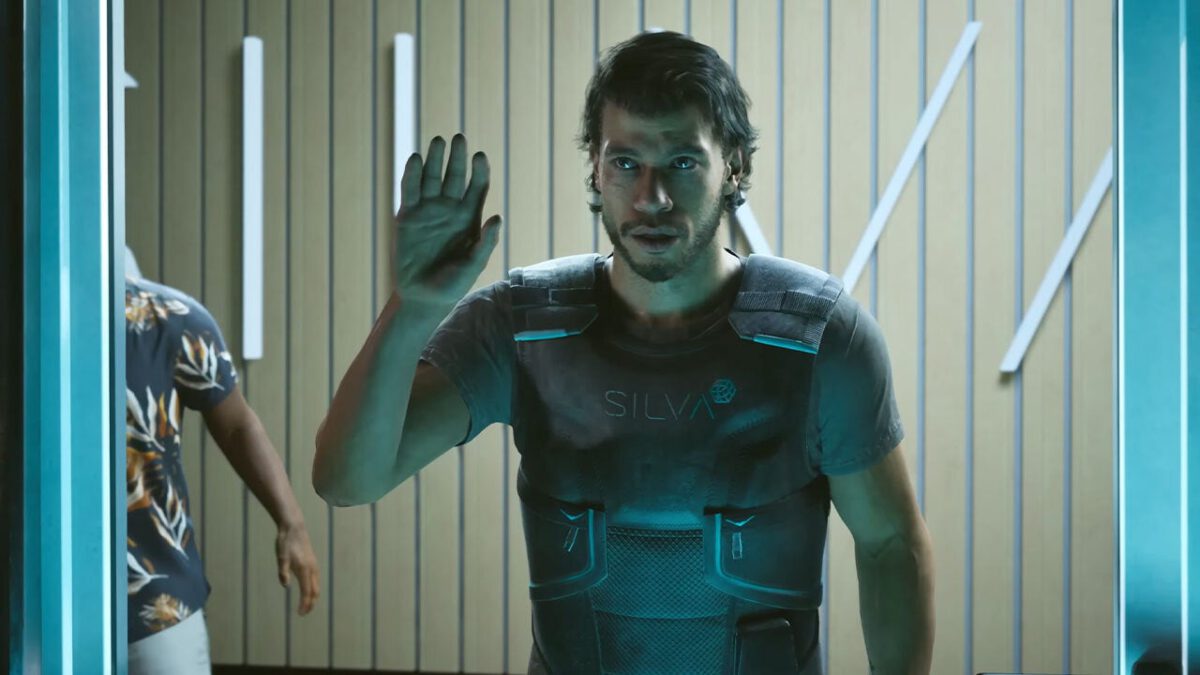
At a press Q&A event at the GPU Technology Conference, Jensen Huang took a question from Tom’s Hardware’s Paul Alcorn about the backlash to the technology, saying that “Well, first of all, they’re completely wrong,” while reiterating that control over the implementation remains with the game developers.
“DLSS 5 fuses controllability of the of geometry and textures and everything about the game with generative AI,” Huang said. “It’s not post-processing, it’s not post-processing at the frame level, it’s generative control at the geometry level.”
And while that might be the case, much of the backlash seems to be over the aesthetic changes shown off in the trailer, rather than how the technology works. In that case, it’s hard to suggest that what people see with their eyes is wrong, but according to Nvidia’s CEO, well, it is.
We still don’t know what this technology will actually look like when it launches sometime this fall, but I suspect Nvidia will be looking for ways to show it off in a more flattering light as the year marches on. I’ve reached out to Nvidia for comment on this, and I’ll update this story if and when I hear back.
Until then, we’ll just have to wait and see how DLSS 5 shapes up over the next few months.
Jackie Thomas is the Hardware and Buying Guides Editor at IGN and the PC components queen. You can follow her @Jackiecobra
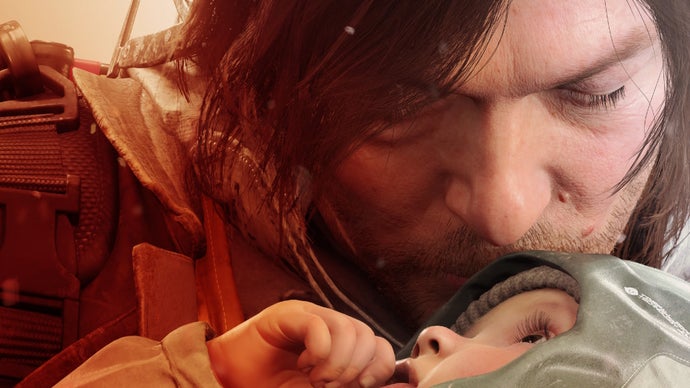
That there PC release of Death Stranding 2: On the Beach is now only a couple of days away, and with that Kojima Productions et al have decided to grace us with those last few details about the new stuff that’ll be coming alongside its launch. If you’re just interested in whether you can run it on your rig or not, well, luckily the system requirements were released last month, so you’re already sorted there.
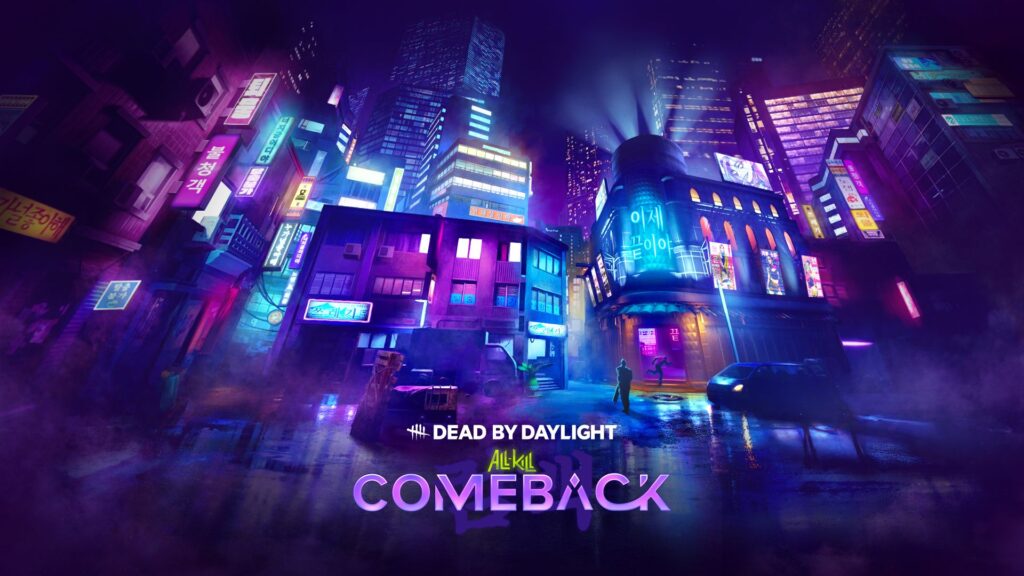
Dead by Daylight returns to the stage with All-Kill: Comeback, a new update that includes the Trickster’s Delusion Map, new Survivor Kwon Tae-young, and a gameplay update to The Fog’s most stylish Killer – The Trickster.
This release builds on the foundation of 2021’s All-Kill Chapter, which brought K-Pop into The Fog for the first time. While it may have seemed like an unconventional combination at first, the creative team was excited to take up the challenge, discovering unexpected ways to bring fear into the spotlight. Dead by Daylight Creative Director shares more about the work that went into combining two unlikely genres.
“We believe that anything can be viewed with a horror lens, by juxtaposing the relative normalcy of our daily lives with a dark twist,” says Richard. “This dark twist here is that The Trickster is a K-Pop that stalks and hunt victims for his own pleasure, using violence as his preferred form of artistic expression.”
Never-ending pressure. Impossible odds. A cutthroat environment. Compared to the music industry, maybe The Fog isn’t quite so tough.
New Map – Trickster’s Delusion
When All-Kill released, players were quick to fall in love with the neon-drenched in-game lobby screen that came with it. Requests for a full Maps were quick to follow, and now the time has finally come.
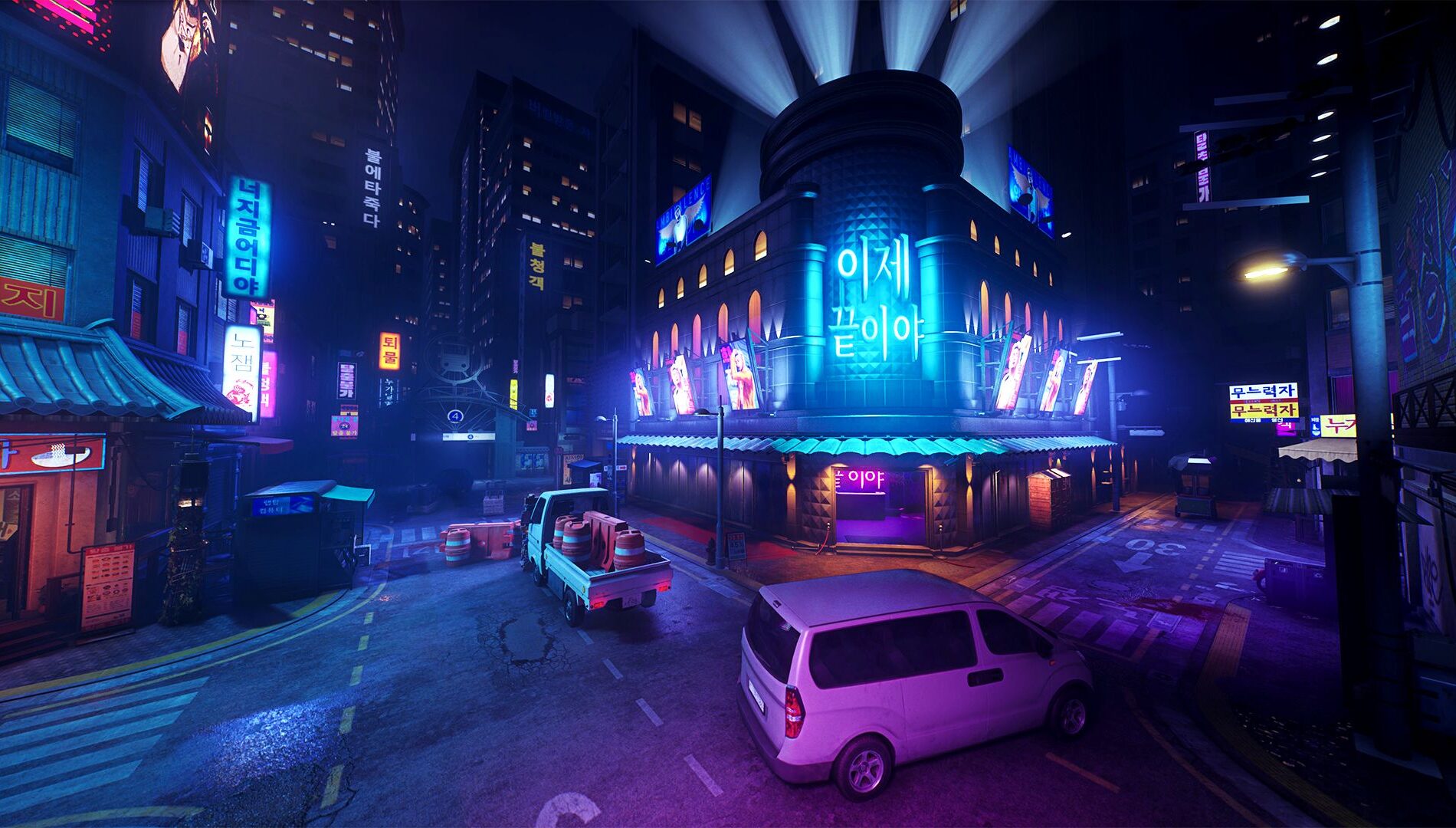
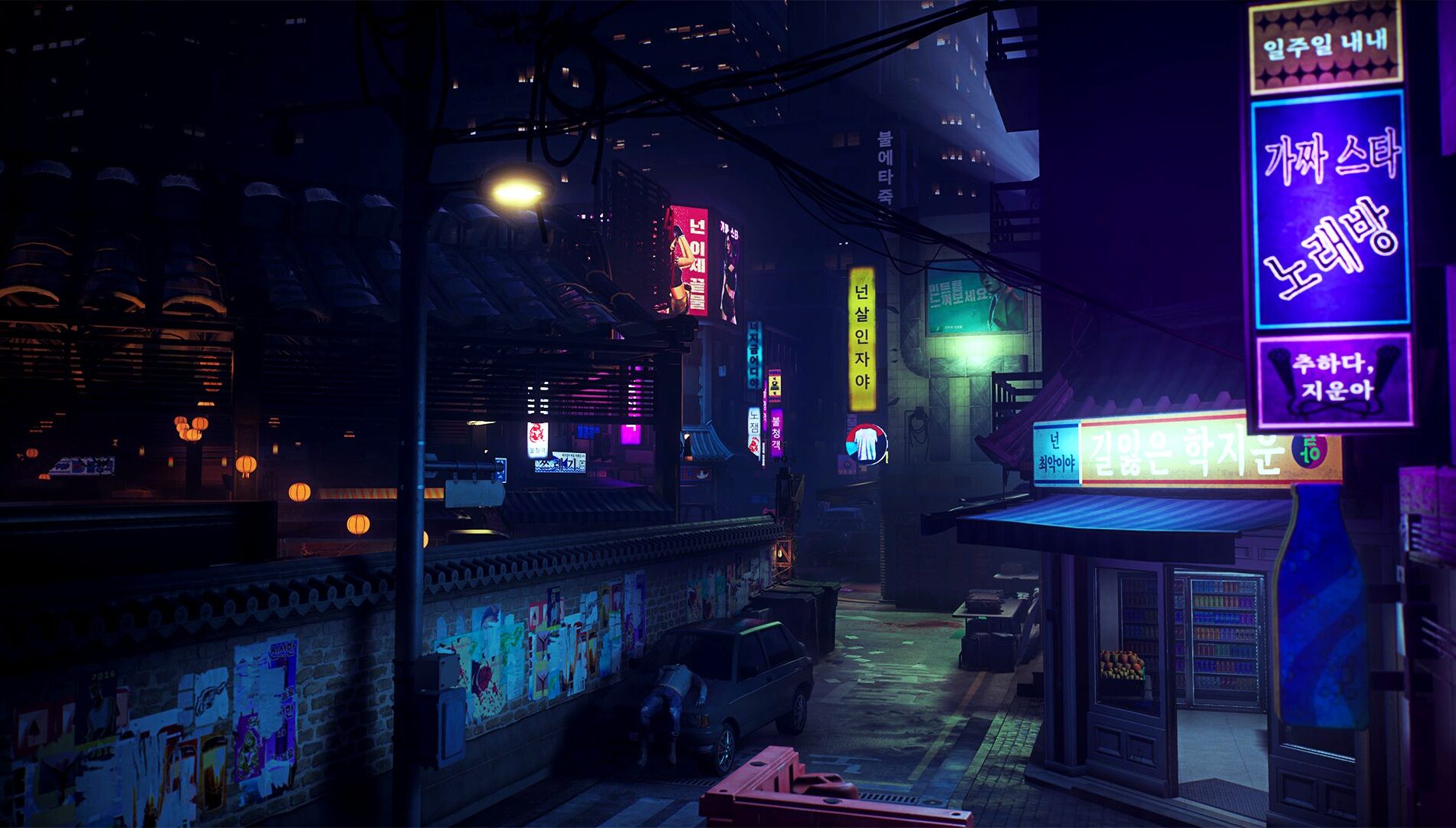
Enter the Sleepless District, a new Realm that brings players into an urban setting for the first time. Featuring shops, restaurants, and plenty of billboards advertising the latest release from Mightee One Entertainment, this Realm is among the most colourful and vibrant locations so far.
Yet looks can be deceiving. The Map, Trickster’s Delusion, brings players into the mind of the devious and depraved K-Pop idol, using environmental storytelling to expand on the story of All-Kill: Comeback.
“When we first released The Trickster, we knew very little about the Map,” reveals Richard. “We knew it was urban, claustrophobic, surrounded by big buildings and bright neon lights. Revisiting it now, we were able to incorporate elements from the in-game narrative, including the debut of MiNA, The Trickster’s rogue alter ego, and his revenge fantasy.
“Playing on this Map as The Trickster also creates a unique experience, where the player will see MiNA taunting them on the billboards.”
“Creating music for All-Kill: Comeback was a chance to bring everything full circle, in a way,” shared Woo. “All-Kill has always lived at the intersection of K-pop and horror, and writing a song for it let me explore that contrast in a really fun way that fit well with the game’s themes. Getting to be first a consultant, then a voice actor, and now a musician on this release has been a blast.”
Check out the song, along with the accompanying lyric video, right here.
Dead by Daylight Webtoons
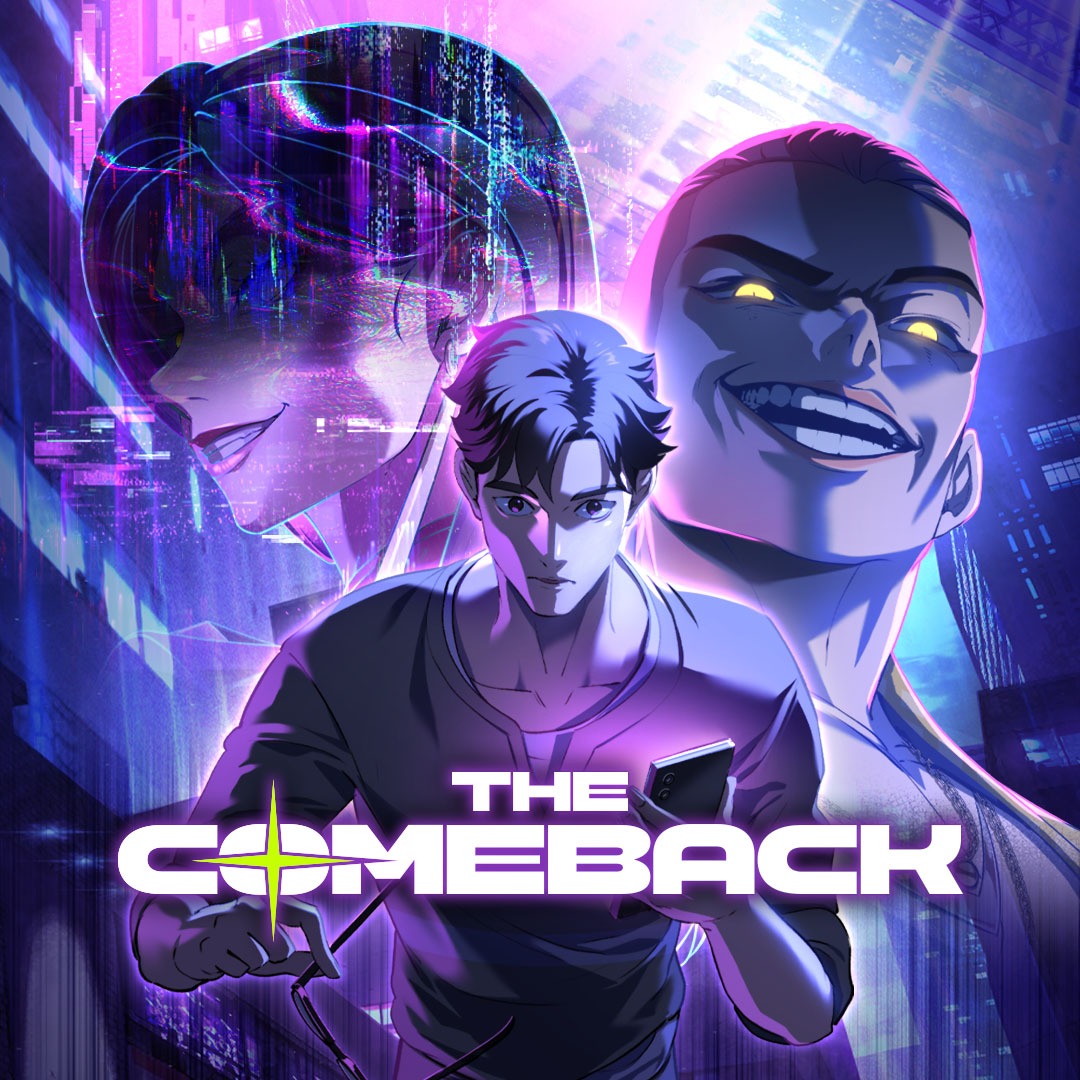
For the first time, the team sought to explore the story of All-Kill: Comeback through a visual medium that originated from South Korea: Webtoons. Teaming up with Korean agency Red Dog Culture House, the series provides a deeper look into Dead by Daylight’s characters than ever before.
The first delves deep into Kwon Tae-young, the programmer tasked with bringing Mightee One’s new virtual idol, MiNA, to life. Originally programmed to be a female version of The Trickster, MiNA’s personality took a dark and violent turn when his psychopathy began to bleed into her programming.
The story continues with part two, which brings the Trickster into the fold with deadly results. Get a backstage pass to MiNA’s debut showcase, culminating in a confrontation that pits Killer against Survivor before they ever crossed paths in The Fog.
“We love partnering with local artists and creators in other mediums,” continues Richard. “It allows us to see the characters we love in situations that can’t be easily portrayed in game. It also gives us an exciting avenue to explore different cultures. Seeing this story as a webtoon was a fantastic experience.”
Whether you’re a K-Pop Stan, a horror fan, or a little bit of both, this update will leave you screaming for an encore. Or perhaps just screaming…
Dead by Daylight’s All-Kill: Comeback is out on Xbox Series X|S and Xbox One today.
Trapped forever in a realm of eldritch evil where even death is not an escape, four determined Survivors face a bloodthirsty Killer in a vicious game of nerve and wits. Pick a side and step into a world of tension and terror with horror gaming’s best asymmetrical multiplayer.
Choose between playing an unstoppable Killer and one of 4 Survivors trying to evade a gruesome death. Each character has their own deep progression system and plenty of unlockables that can be customized to fit your personal strategy. Work together to escape, or stalk and sacrifice every Survivor.
This Edition of Dead by Daylight gives you access to a roster of 7 Killers (The Trapper, The Hillbilly, The Wraith, The Nurse, The Hag, The Huntress and The Doctor) and 9 Survivors (Meg Thomas, Claudette Morel, Jake Park, Dwight Fairfield, Ace Visconti, Nea Karlsson, Bill Overbeck, Feng Min and David King). It also includes two cosmetic add-ons packed with outfits for various characters.
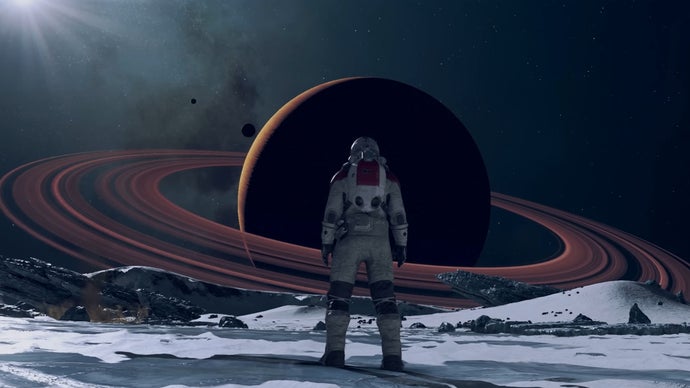
On April 7, Starfield is coming to PlayStation 5, inviting a whole new community of explorers into the Settled Systems. At the same time, Starfield’s biggest free update yet, Free Lanes, and the all-new Terran Armada story DLC will go live across all platforms. For those of you stepping onto the Frontier for the first time, this version of Starfield is the result of years of love from Bethesda Game Studios and the Starfield community. Bigger, deeper and packed with even more ways to play.
PlayStation 5 features
Every firefight and dogfight in Starfield hits harder with the PlayStation 5 DualSense controller. Adaptive triggers change from weapon to weapon (including your starship loadout), the light bar keeps tabs on your health and ship integrity, and the touchpad lets you jump between first- and third-person POV or instantly access your map and hand scanner.
On top of that, in-game audio logs and non-local ship intercoms will pour through the DualSense controller speaker, immersing you deeper in the action. Starfield has also been visually enhanced for the PlayStation 5 Pro, with a Visual mode that runs 4K resolution at 30 fps and a Performance mode that features improved visuals at 60 fps.
Free Lanes update (free for all players)
The Free Lanes update is built around Starfield’s core values: rewarding exploration; allowing deep, meaningful customization; and making the experience smoother than ever so you can get lost among the stars, following your curiosity and crafting your story.
Free Lanes touches nearly every major element of the game:
Expanded space travel options that allow you to freely fly between planets within a star system
New space encounters have been added and encounter frequency has been increased
A new resource has been added to give you even more control over your gear and ship customization
New options for upgrading your Starborn abilities and bringing your favorite gear with you into New Game+
And so much more
With Free Lanes, the Settled Systems are more alive than ever. All you need to do is pick a direction and see what you find.
Terran Armada (new story DLC)
The Terran Armada has risen and they’re bringing “unity” to the Settled Systems in the form of an army of highly advanced robots and enough firepower to put the galaxy in a chokehold. In Starfield’s new story DLC, you’ll fight back through the Incursion system, uncover powerful new tech, explore with a new Companion, and earn rewards that will definitely be worth the risks.
You can pick up Terran Armada on its own, or get it bundled with the Premium Edition—or included with the Premium Edition Upgrade.
Trackers alliance (creation bundle)
Starting at launch, you’ll be able to jump into the Trackers Alliance bounty arc, available for purchase through the Creations menu. The bounty series is complete with seven unique, high-value targets to track down and deal with however you see fit. Each entry is a self-contained story, full of tough choices, memorable marks, and pursuits that will take you all across the Settled Systems.
Mark your calendars for April 7, and we’ll see you in the Settled Systems.
IOI Partners has announced today it will no longer publish MindsEye, leaving all publishing rights and responsibilities in the hands of developer Build A Rocket Boy.
As shared in a press release today, the transition is effective as of March 16, 2026 and IOI Partners will no longer be involved with MindsEye except as necessary to make the transition happen. In addition, a planned crossover event between IOI’s Hitman: World of Assassination and MindsEye has been canceled.
IOI peacing out of this isn’t shocking given the mess that’s been MindsEye. The game was developed by Build a Rocket Boy, a studio headed up by Leslie Benzies who produced several entries in Grand Theft Auto, which lent it significant anticipation. Originally, it was planned to be a part of Everywhere, a sort of “Roblox for adults” that would allow creation of custom game experiences within it. Everywhere never materialized, but MindsEye itself launched in 2025. It was a flop, earning a 4/10 from IGN and currently sitting at a 38 critic score on Metacritic, and a 2.6 user score. It has struggled to find an audience ever since – as of publishing this story, just 17 people are playing it on Steam, and it peaked at merely 3,302 concurrent players.
In the months since, Build a Rocket Boy has released several patches to fix the game’s worst performance issues. Last month, MindsEye got its biggest patch yet, which included more bug fixes and polish, as well as refined AI behavior, but it has yet to introduce promised major content updates as time has instead been spent fixing what’s already there.
In the wake of all this, co-CEO Mark Gerhard has repeatedly claimed that there is a “concerted effort” to “trash the game and the studio” and has suggested people were being paid to post negative things about it, including pointing the finger at an unnamed other studio. IOI has denied the claims.
The studio has nowundergone multiple rounds of layoffs, the most recent wave of which involved Gerhard claiming that the studio was investigating “criminal activity” around the game’s launch, saying there was “overwhelming evidence” of “organized espionage and corporate sabotage” against MindsEye. A group of over 90 staff signed onto an open letter last October demanding an apology from company leadership for “mistreatment” of staff as well as “proper compensation” for those laid off.
When asked about MindsEye’s disasterous launch, IOI CEO Hakan Abrak simply said, “Well, that was definitely tough, right?” and affirmed it wasn’t the reception IOI had hoped for.
Rebekah Valentine is a senior reporter for IGN. Got a story tip? Send it to rvalentine@ign.com.
Bethesda have followed up being one of the studios gushing about Nvidia’s face yassifying DLSS 5 tech by revealing two updates coming to Starfield. Dubbed Free Lanes and Terran Armada, the former’s a free update overhauling the likes of ship travel, while the latter’s a second story DLC. Both are set to arrive on April 7th.
Epic Games has released key artwork for the next season of Fortnite, confirming the return of Dwayne “The Rock” Johnson and the inclusion of Bugs Bunny.
Showdown, which goes live later this week, features the highly-anticipated return of Johnson’s Fortnite hero The Foundation — something that followers of Fortnite lore have been awaiting for years, and Epic Games has been teasing for some time.
The next season will also see Looney Tunes characters join Fortnite, with the suggestion here that Bugs Bunny (and all the other skins seen in the image) will be included within the next battle royale battle pass. (Separately, leakers have suggested that Daffy Duck and Lola Bunny will land in the item shop for purchase separately.)
Fortnite is back fully leaning into its storyline, which is set to see The Foundation lead the game’s remaining heroes into battle against a similarly-returned Ice King. The battle pass character line-up also includes a new version of fellow Seven member The Order, and a new version of the ever-popular Chapter 2 character Jules.
With four returning favorites, the next battle pass holds the most familiar faces seen in a single pass ever — though this seems fitting for a season which seems set to return to Fortnite’s older story roots. What looks to be a cute ice troll Sidekick pet is also included.
Embark Studios has published Arc Raiders update 1.20.0, revealing a somewhat short list of patch notes with two noticeable changes: nerfs for the Il Toro shotgun and energy clips.
Patch notes for today’s update were published on the extraction shooter’s website today. Highlights for the update, which is now live across PC, PlayStation 5, and Xbox Series X | S, include the new Rawhide outfit and new haircuts, as well as several fixed glitches, but the real game-changers will affect PvP and PvE players across the board.
The Il Toro has prevailed as one of the more popular – and powerful – weapons for PvP players in Arc Raiders. Its close-range damage, coupled with well-timed dodge rolls, feels almost unstoppable in the right hands, with the punch line being that this shotgun has remained a fan-favorite despite only being an uncommon (green) weapon.
The 1.20.0 update finally brings it down a peg, reducing its damage and fire-rate while increasing its base dispersion and reload time. Embark says these changes arrive not only as a response to feedback but also to make the Il Toro feel “more like a weapon of its rarity.”
“We will of course continue to keep a close eye on this to see how it plays out in practice, and make additional adjustments when needed,” Embark said. “Thank you for your feedback and patience!”
Arc Raiders fans have long hoped to see changes to the Il Toro as it took over PvP-focused lobbies, but today’s update also comes with another, slightly more surprising change. Energy clips, which have been collected and sold by Raiders for 1000 coins for months, are now only worth 200 coins. In other words, if you’ve been farming energy ammunition to save up for that next Expedition, you may want to find a new resource to trade.
“Energy Clips have unintentionally become a very profitable craft,” the patch notes say, “so we are reducing the sell price to make the value profitability in line with other crafts.”
Arc Raiders update 1.20.0 arrives ahead of this month’s highly anticipated roadmap addition, Flashpoint. Unlike February’s Shrouded Sky update, we know little about how Flashpoint will make traveling topside more rewarding and dangerous. Highlights for the update, which is expected to drop in the next two weeks, include a new map condition, Arc threat, player project, and a mysterious Scrappy update.
Embark finds itself tackling fan feedback in between major updates but has made headlines for a few different reasons in recent days. While speaking with GamesIndustry.biz, CEO Patrick Söderlund told players that Arc Raiders now contains fewer AI voice lines than it did at launch. He also took that time to praise the Bungie team for their work on their newly released extraction shooter, Marathon. Meanwhile, the company just announced that it has “mutually agreed to part ways” with co-founder and CCO Rob Runesson following allegations that he engaged in sexual misconduct with a popular The Finals streamer.
Finally, you can check out the full patch notes from today’s update below.
Arc Raiders Update 1.20.0 Patch Notes
Raiders!
Patch 1.20.0 is rolling out on all platforms, please restart your game to download.
Rawhide Outfit.
Two new haircuts.
Il Toro Balancing:
Dev Note: This is an adjustment many of you requested. We have tuned the Il Toro to address its DPS and effectiveness at range, especially when combined with a choke. We’re also making some changes so it performs more like a weapon of its rarity (less versatile at lower upgrade levels and more dependent on upgrades and mods). Most notably, fire-rate and reload time have been reduced, which will make it more important to fully utilize positioning, cover, and timing to defeat your opponents. We will of course continue to keep a close eye on this to see how it plays out in practice, and make additional adjustments when needed. Thank you for your feedback and patience!
Pellet Damage reduced from 7.5 to 7
Base Fire-Rate reduced from 43 to 38
Base Dispersion increased from 4.5 to 6
Total Reload Time increased from 4.3s to 5.7s
Looping Reload Entry increased from 0.8s to 1s
Looping Reload Time increased from 0.5s to 0.7s
Damage loss from Falloff increased from 40% to 50%
Fixed an issue that would cause persistent audio from destroyed Comets and Fireballs.
Fixed an issue where players could get pushed through the wall and stuck on the Dam Controlled Access Zone.
Fixed missing collision issues near the east elevator and under pipes on Spaceport.
Reduced Energy Clips sell price from 1000 to 200 coins.
Dev note: Energy Clips have unintentionally become a very profitable craft, so we are reducing the sell price to make the value profitability in line with other crafts.
See you topside,
Ossen
Michael Cripe is a freelance writer with IGN. He’s best known for his work at sites like The Pitch, The Escapist, and OnlySP. Be sure to give him a follow on Bluesky (@mikecripe.bsky.social) and Twitter (@MikeCripe).
In May 2014, the small team at Campo Santo were still in the early days of making Firewatch, a first-person narrative exploration game – you can call it a walking simulator, they do, and with no disparagement. The developers assembled at their San Francisco offices, some came from nearby, others from as far away as Vancouver, Canada and Winchester in the UK. They loaded up cars with beer, board games, and tents, and drove the several hours to Yosemite National Park, where, as one of Campo Santo’s founders Nels Anderson puts it, “We went camping in the goddamn woods.”
While Firewatch was always due to be set more than 500 miles away in Shoshone National Forest in Wyoming, the team wanted to get deep into a forest and find the feeling of being surrounded and overwhelmed by nature. “All of us would say we were highly informed by that trip,” Chris Remo says. He remembers thinking “In a year and a half, this is the thing we will have hopefully captured some little part of.”
The Pokémon Company is no stranger to a collaboration, and its upcoming crossover is for all those who assumed Miniccino can come in a Grande size with cream and syrup.
That’s right, Pokémon is teaming up with coffee brand Grind on a new range of products. The collection will consist of “drinks inspired” by the world of ‘mon — best not to think too deeply about that one — as well as other goodies.