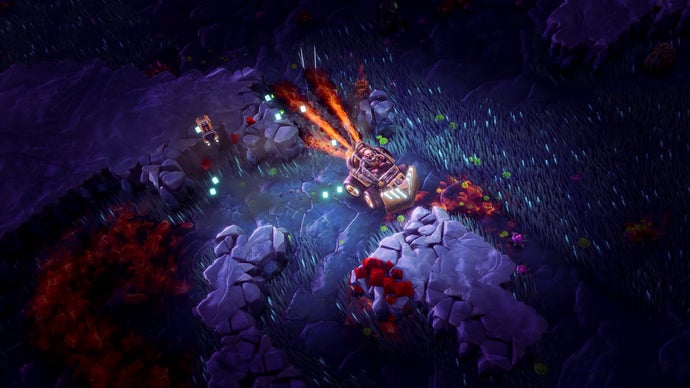
In today’s dwarf news, both Deep Rock Galactic spinoffs had announcements to make at the Future Games Show Spring Showcase. Loudest and crunchiest of the two was autoshooter Deep Rock Galactic: Survivor revealing its first new class, the bulldozer-riding Demolisher, who’ll get to work shifting shale on April 30th. Also approaching is co-op roguelike shooter Deep Rock Galactic: Rogue Core, which is launching into early access on May 20th.
Destiny fans are lamenting the future of Bungie’s sci-fi shooter franchise, following a threadbare update this week, released while the developer focuses on supporting Marathon.
Destiny 2 Update 9.5.5.5 arrived on Wednesday, and its full patch notes read as follows:
And that’s it. Now, to be fair, there was no expectation that this week would bring a vast well of new Destiny 2 content to keep players occupied. Destiny players are also well aware of the fact Bungie is currently busy trying to make Marathon a success. But, as one fan put it in response: “I expected nothing and still got disappointed.”
At the time it announced that delay, Bungie avoided mentioning its simultaneous launch of Marathon, which would have arrived within the same release window — presumably to avoid the suggestion that one project was sapping resources from the other. But Destiny fans have found it hard to imagine a world where, had Bungie not been also focused on shipping Marathon, its revisions to Shadow and Order would not need to take as long.
Indeed, in its statement on the delay, Bungie seemed to go as far as it could to signal that things would be quieter for Destiny over the coming months, with basic maintenance and balance updates likely the only changes that players would see. The studio then thanked fans for their “continued patience and support,” before affirming that it would release more information on the update “closer to launch.”
For many players, the news felt like Bungie effectively moving its public focus on Destiny to the back burner until the summer months — something this week’s latest update has only cemented in fans’ minds, resulting in a mix of frustration and dark humor.
“Almost 3 hours of downtime for… this,” noted one fan, in a lengthy thread of complaints on reddit. “A single fix.”
“I’m curious – how many patches have only ever been one patch note?” questioned one fan. “Even dating back to Destiny 1, I feel like that has to be a rare sight. Not even dogging on the game/studio – genuine curiosity.”
“There’s literally no one working on this game anymore,” wrote another fan. “Dev team is genuinely one part timer huh,” added a second. “So effectively they’ve dropped Destiny entirely to work on Marathon? Sigh, could of at least released the DLC you announced first,” said a third.
“Next [blog] will literally just say ‘please play Marathon’,” reads another comment. “You can only laugh about it and then cry about what has become of the best live service game ever,” reads yet another.
IGN has contacted Bungie owner Sony for more detail on its content plans and resources available to work on Destiny, but did not receive a response. In the meantime, it remains a tough time for the developer and the nine-year-old Destiny 2, while there have also been mixed reports on Marathon’s initial launch performance so far.
Last year, Sony said Bungie had failed to meet its sales and user engagement expectations, following a notable drop in Destiny 2 player numbers. The damage was bad enough that Sony said it had been forced to record a 31.5 billion yen (around $204.2 million) impairment charge as a result of Destiny 2’s underperformance. That was significant enough to drag down profits at Sony’s Game & Network Services Segment, which includes Sony Interactive Entertainment.
“For years now, Destiny has been on this steady hardening of the core [audience],” Destiny 2 game director Tyson Green told IGN back in November. “More and more core players are staying and playing the game, but relatively few [new] people come into the game. There’s a tightening and contraction, and this presents problems for a game that you’re trying to maintain as a live service, especially when you want to keep serving those core players with great, compelling expansions.” Exactly when these might arrive, however, remains to be seen.
Tom Phillips is IGN’s News Editor. You can reach Tom at tom_phillips@ign.com or find him on Bluesky @tomphillipseg.bsky.social
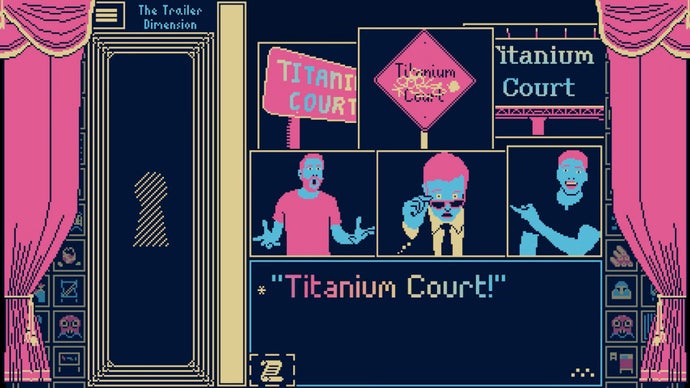
AP Thomson, developer of surreal strategy game Titanium Court, has expressed solidarity with those affected by the litany of “cruel and unnecessary” practices currently being employed by the Trump-led US government. Taking to the stage to give an acceptance speech after Titanium Court was awarded the Independent Game Festival (IGF)’s Seumas McNally Grand Prize for the Best Independent Game, Thomson shared a message that ended in hope future awards shows will be able to see everyone come together “safe and thriving”.
Nintendo of America is suing the U.S. government, including the Department of Treasury, Department of Homeland Security, and US Customs & Border Protection, over the tariffs implemented in 2025 via executive order from President Donald Trump.
As reported by Aftermath, the complaint concerns the “initiation and administration of unlawful trade measures that have, to date, resulted in the collection of more than $200 billion in tariffs on imports from nearly all countries”.
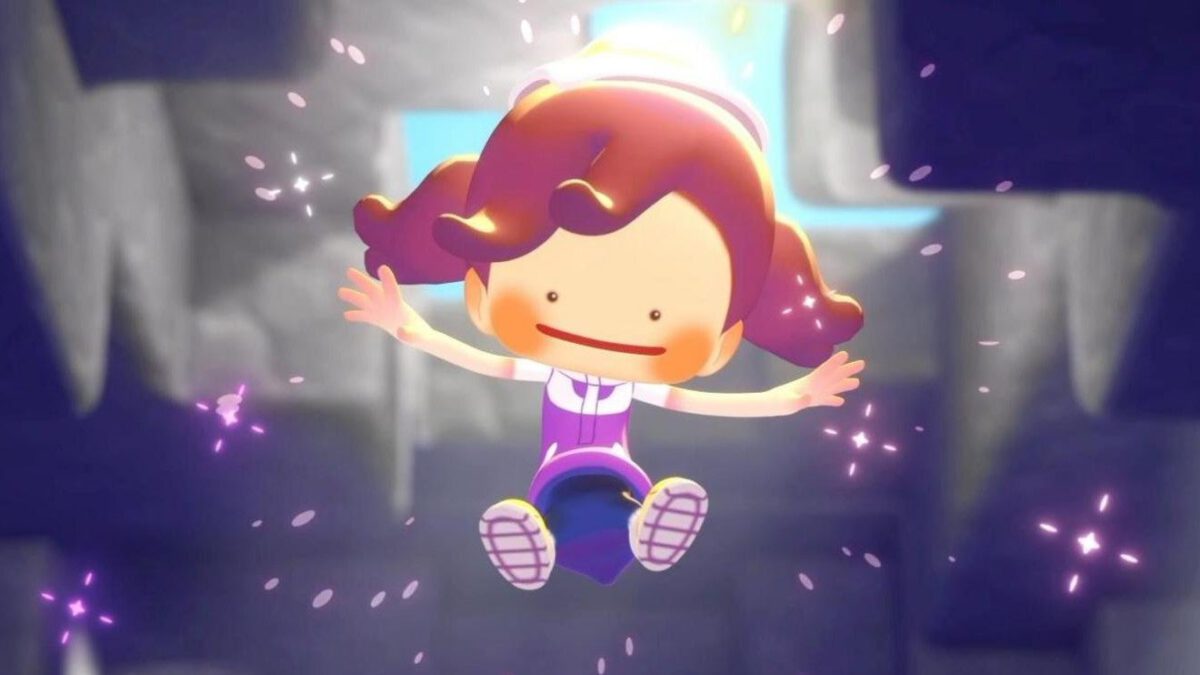
Pokémon Pokopia will soon get an update that addresses an array of issues and improvements, Nintendo has confirmed.
Launched last week to huge success, Pokopia players are already creating blocky Pokémon paradises full of incredible creations — though a few users have gotten snagged by bugs along the way. Now, Nintendo has said it is aware of several issues — and listed a string of bugs and upcoming additions it has planned for Pokopia in the near future.
Happily, Nintendo expects that its planned update will several progression blockers that are currently occurring in players’ worlds, even if players have encountered them already (so no, hopefully you don’t now need to start over).
Other than bug fixes, there’s no mention here of actual new content also coming to Pokémon Pokopia in future — but it is still early days. And it’s worth remembering that the first in-game event “More Spores for Hoppip” is already now live, and set to run until March 25.
Beyond that, it remains to be seen how and when Nintendo will add new Pokémon species and items to Pokopia, though the game’s big launch (with more than 2.2 million copies already sold) means it’s likely the game will be kept updated for the forseeable future.
Nintendo’s current list of upcoming fixes, as confirmed in a new blog post on the official Pokémon Pokopia website, lies below:
Known issues
When requesting “Let’s build a home!” in “Pasapasa Koya Town,” Squirtle moves up a tree and cannot be spoken to, preventing the request from progressing.
In the “Gloomy Seaside Town” request “Find a Pokémon Center!”, if you destroy the cracked blocks on the bridge before Mojambo crosses it, it will be difficult to progress with the request.
When performing the “Find a Pokémon Center!” request in “Dusky Seaside Town,” if you follow certain steps, the event to repair the bridge in “Mojumbo” will not occur, and you will not be able to progress with the request.
In “Rugged Mountain Town,” if you follow certain steps, the event where you encounter “Rotom” will no longer occur.
When the request “Let’s clean up the roads!” in “Rugged Mountain Town” occurs under certain circumstances, it becomes difficult to progress with the request.
The type of “Spinarak” in the Pokédex is incorrect.
Planned improvements
In the “Pasapasa Koya Town” request “Break the rocks with a Rock Smasher!”, if you place another block in the position of the cracked block near the “Crab Growl”, it will be difficult to understand how to proceed.
In the “Dusty Seaside Town” request “Take the Professor with you!”, if you place another block in the position of the cracked block near “Snorlax”, it will be difficult to understand how to progress.
Future plans
An update to correct the above will be released soon. Even if the problem has already occurred, applying this update will resolve it. We will continue to investigate any other issues not mentioned above.
If you’re a fan of the video game icon Lara Croft and happen to own a Switch 2, we’ve got some good news! Her collection Tomb Raider I-III Remastered is now available on the Switch 2.
According to the press release, this version includes 1440p at 60fps docked and 1080p at 120fps in handheld mode. The good news is this upgrade will also be available to existing owners of the Switch version “at no extra charge in a free update “coming soon”. According to a response from Aspyr on social media, the upgrade will begin rolling out on 18th March 2026 (aka next week).
Elden Ring: Tarnished Edition is on its way to the Switch 2 at some point this year, and ahead of its arrival, we’ve got a new round of previews from GDC. These latest impressions are based on a 15-minute demo of a newly optimised build of the game.
Overall, this latest previews seem mostly positive and there is a lot of focus on the game’s performance. FromSoftware’s title will apparently run at around 30fps on Nintendo’s new hybrid hardware on both the handheld and docked modes. RPG Site says the resolution is “either hitting or very visibly close to a native 1080p” in handheld.
The relaxing life sim Pokémon Pokopia has got off to a tremendous start, with The Pokémon Company yesterday reporting the game’s sales had already surpassed 2.2 million units globally in just four days.
With the launch patch out of the way, the development team has now announced the next update will be arriving soon. Based on a rough machine translation from Pokopia’s Japanese website, the main takeaway here is that this next update will address multiple issues, including progression bugs. The team also has some improvements planned to deal with certain other issues.
Blight: Survival has reemerged with a new gameplay trailer — and its developers are promising big news in 2026 after a whopping 1.5 million Steam wishlists.
In a new development update, publisher Behaviour Interactive, of Dead by Daylight fame, and developer Haenir Studio, announced small scape playtests to help shape the game’s future.
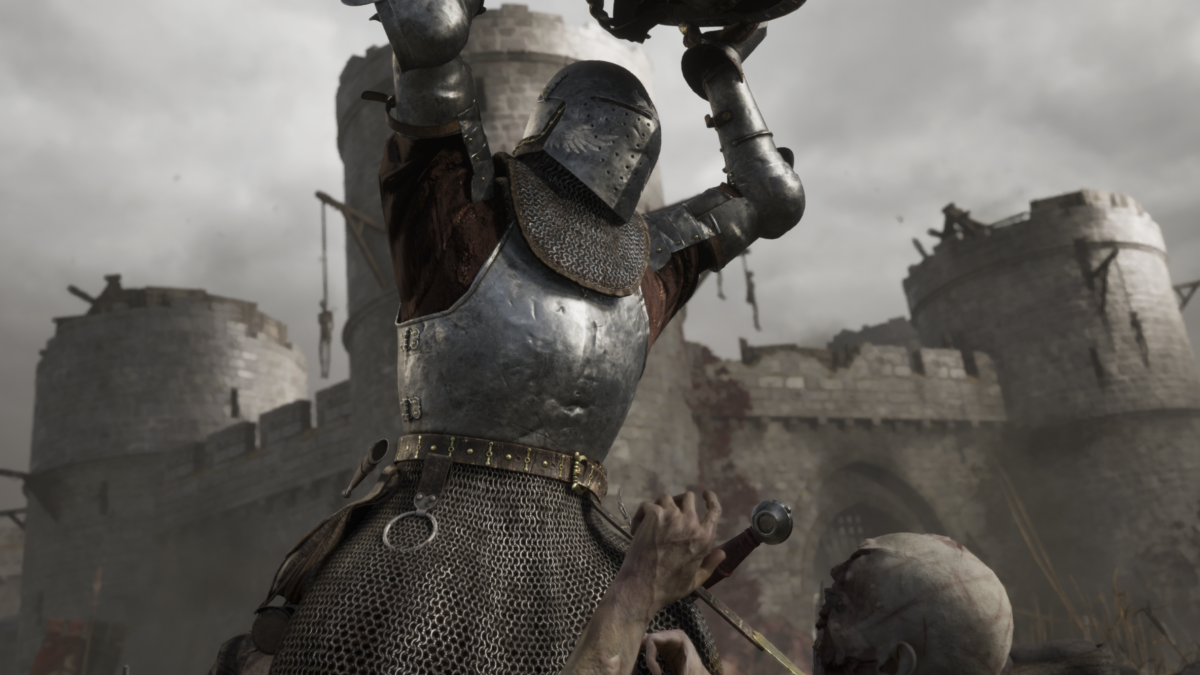
Blight: Survival is a medieval co-op action horror game whose 2022 announcement trailer — an early look at gameplay — has seen 3.9 million views on IGN’s YouTube channel alone. The new trailer, below, shows new in-engine footage showcasing combat finishers.
After the trailer went viral and those Steam Wishlists piled up, Ulrik Langvandsbråten, creative director and cofounder at Haenir Studio, partnered with Behaviour and set about rebuilding Blight’s core systems from the ground up.
In an interview with IGN, Ashley Pannell, senior creative director on Blight: Survival at Behaviour Interactive, acknowledged the pressure the team is now under following its viral success and the weight of so many Steam Wishlists, but said the pressure will result in a better game.
“We understand the heightened expectations of what we are being asked to deliver upon here,” he said. “What I personally really love about this is somehow the zombie trope is so powerful that it’s such an all- encompassing thing that we just have to deliver on those expectations to the best of our ability. And that’s really our goal every day, is to try and reach that benchmark to work towards those goals. And yeah, it absolutely is a big responsibility for us to do that. But one of the things that we have as a result of this, is that we have a community with us, and we have a group of people who are on this journey with us. We’re not alone here. It wasn’t just comments from three years ago. And even now, we are doing small scale play tests with members of the community, with the team, to really try and fulfill those expectations and make sure that we deliver on the game that A, they thought it was going to be, and B, that we believe that it can be at the same time.
“So we’re on a journey together. We may have not been loud to the world, but we’ve been very active with our community, talking to our community, making sure that we get their feedback whenever we can. And like I said, even through actual small scale playtesting already, which we’re doing regularly.”
2022 feels like a long time ago now, and gamers have been burnt before by Steam games that have either failed to meet expectations, failed to even come out, or scammed customers outright. People are more sceptical now of flashy, ‘too good to be true’ gameplay reveal trailers from unknown developers than they perhaps were just a few years ago. And this is something Pannell said the team is well aware of.
“From a dev team perspective, we obviously know that we’re building a real game every day, every moment,” Pannell said. “So on a day-to-day basis, as a creator, I tend not to think too much about it. But it’s true. It’s absolutely true and correct that obviously people have been burned by things that have been released. Our goal is to ultimately, as we move forward, prove that we are making a real game, that it is awesome. We’re focusing on the fun, we’re focusing on the things that really matter to making a good quality, fun game that fulfills these expectations.
“We do talk about it. We do think about it. It does, like anything, that worries us. But then 10 years before that it was, did you have a loopbox in your game? 10 years before that it was something else. There’s always something to worry about. And I guess our goal is to manage the expectations and make sure that as we move forward and develop, that we release what we think is right. What is good, what is right and what is fun? And how can we deliver this message in a way that is meaningful to people and especially our community that if anyone is primed for a fall, it’s the people who started coming along for the ride in the first place. So yeah, it’s a thing we think about, but I wouldn’t say it dominates our thoughts. I mean, certainly, before we had this meeting, we had like, this could come up. It’s a thing that is real in the world right now and it’s important to be able to tackle.”
So, what is Blight: Survival? It’s an action horror co-op game set in a brutal medieval world. “It is a game where tension beats at the heart of the whole experience,” Pannell explained. “So I’m not going to land directly on any obvious genres here other than that overall thing. So as a player, every combat you enter will have a risk and reward. And risk reward is a key element of the overall driving part of many features in the game. So whatever you do, you always have to weigh up your decisions really carefully because every fight might be your last, every investigation might be your last, or it might bring you great reward. It’s not just a traditional action horror, it’s not a hack and slash, but it definitely is beating at the heart of this tension that is driven by risk and reward wherever we can find it in the situation we have.
“So it borrows from a number of different genres, but I think our closest landing point is action horror. It is a combat driven game with elements of exploration, with extraction light elements that are in there, and other elements also from games of that genre that help us drive the internal tension and the risk the players take whenever they’re in a given space.”
As for those extraction elements, don’t expect a clone of Arc Raiders or Marathon. “We have loss in our game, and the decision whether to bank that or keep it at some point in the game will become a key choice the player makes,” Pannell teased. “The decision to take more risk at the consequence of, for want of a description, call it extracting early to bank your reward will or is currently in the game as we would expect and a core component of how the game plays. So we have extraction elements, but it’s not driven exclusively as the extraction genre. And we’re also taking extraction influence from other types of games, like for example, Helldivers or Deep Rock Galactic, that have extraction components as a core part of the phase of the game.
“Again, not a direct analog, but we have both elements of what we normally consider a round-based game with extraction, plus a pure extraction game too. We have both those elements in our game, and they work in harmony with each other over the course of your playtime.
“The core game loop is you go in, you try and amass what you can, and you can always push for more, but you could always back out when you feel like you’ve got something that is meaningful.”
Don’t expect a release in 2026, but things are certainly ramping up. There are 45,000 people in the Blight discord, where playtesters will be plucked from. And the developers will then respond to feedback.
Wesley is Director, News at IGN. Find him on Twitter at @wyp100. You can reach Wesley at wesley_yinpoole@ign.com or confidentially at wyp100@proton.me.
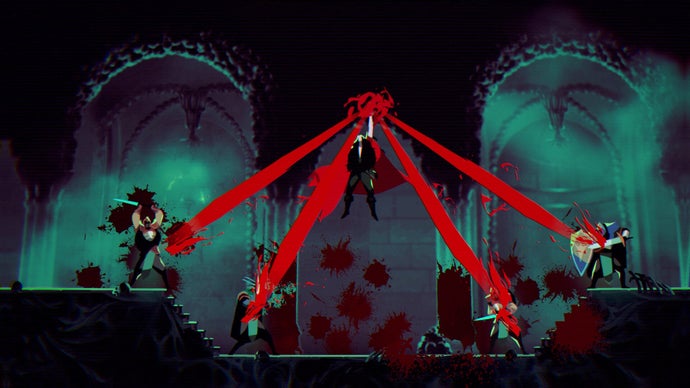
The devs behind Moonlighter are already back with something new. While they’re still tinkering away with the early access release of Moonlighter 2, at the Future Games Show Spring Showcase they revealed another roguelike entirely: ReVamp, a tower defence spin on the genre that pits you as Dracula himself protecting his castle.